
Last updated November 23, 2026
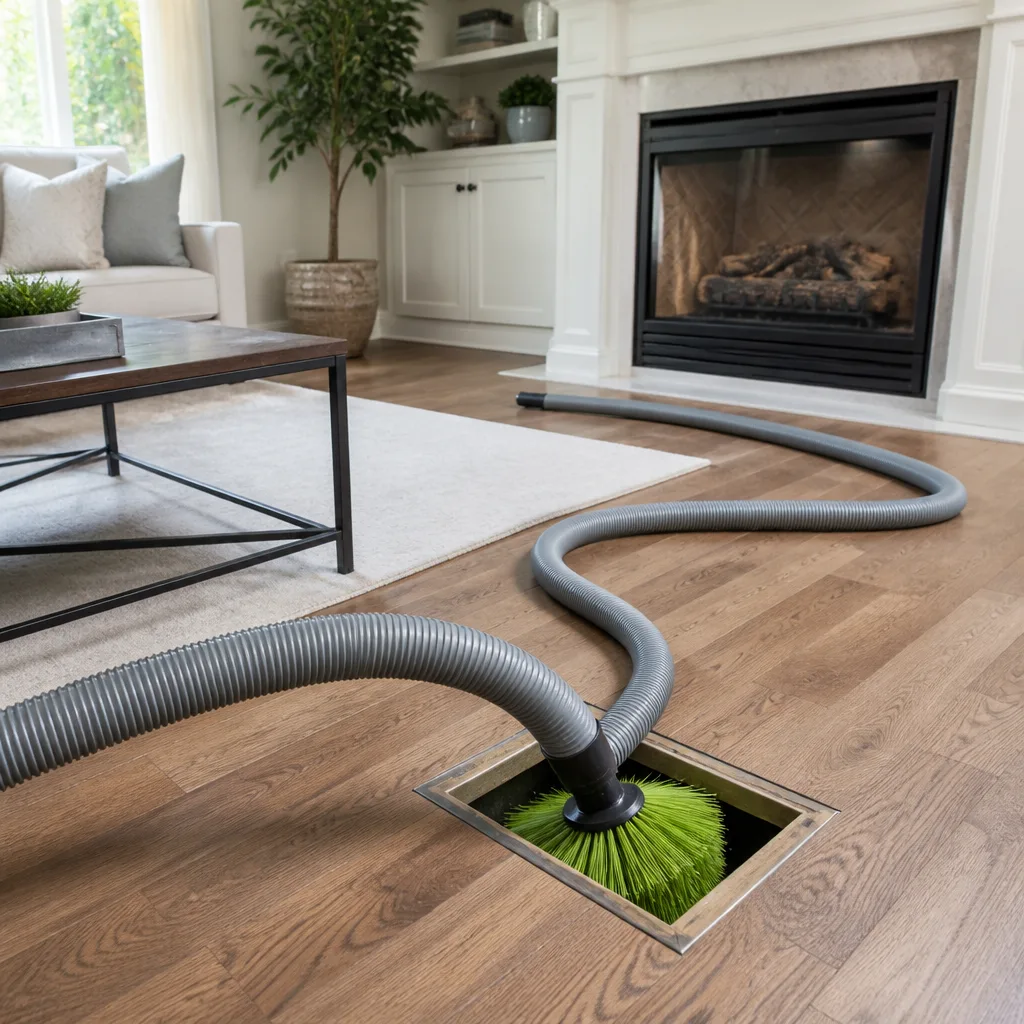 Whole-home duct cleaning
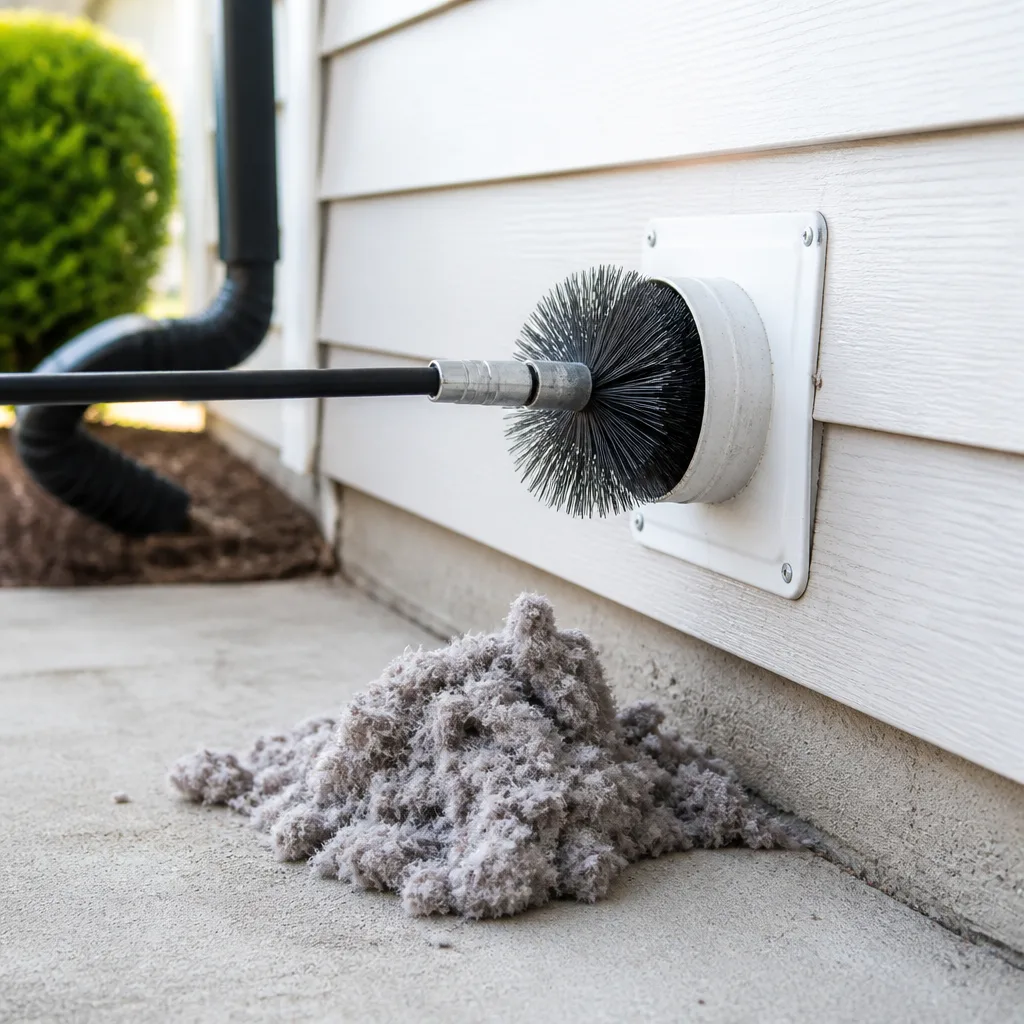 Dryer vent cleaning
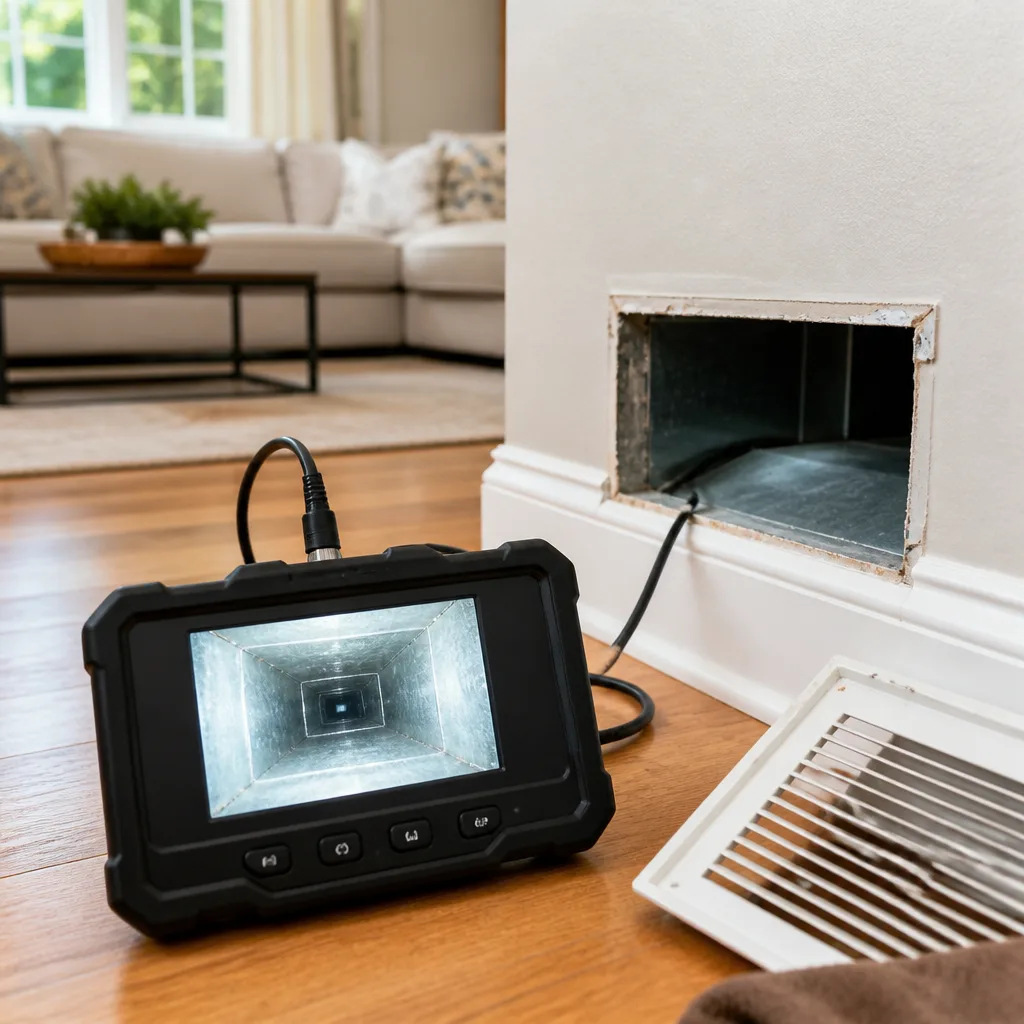 Camera inspection
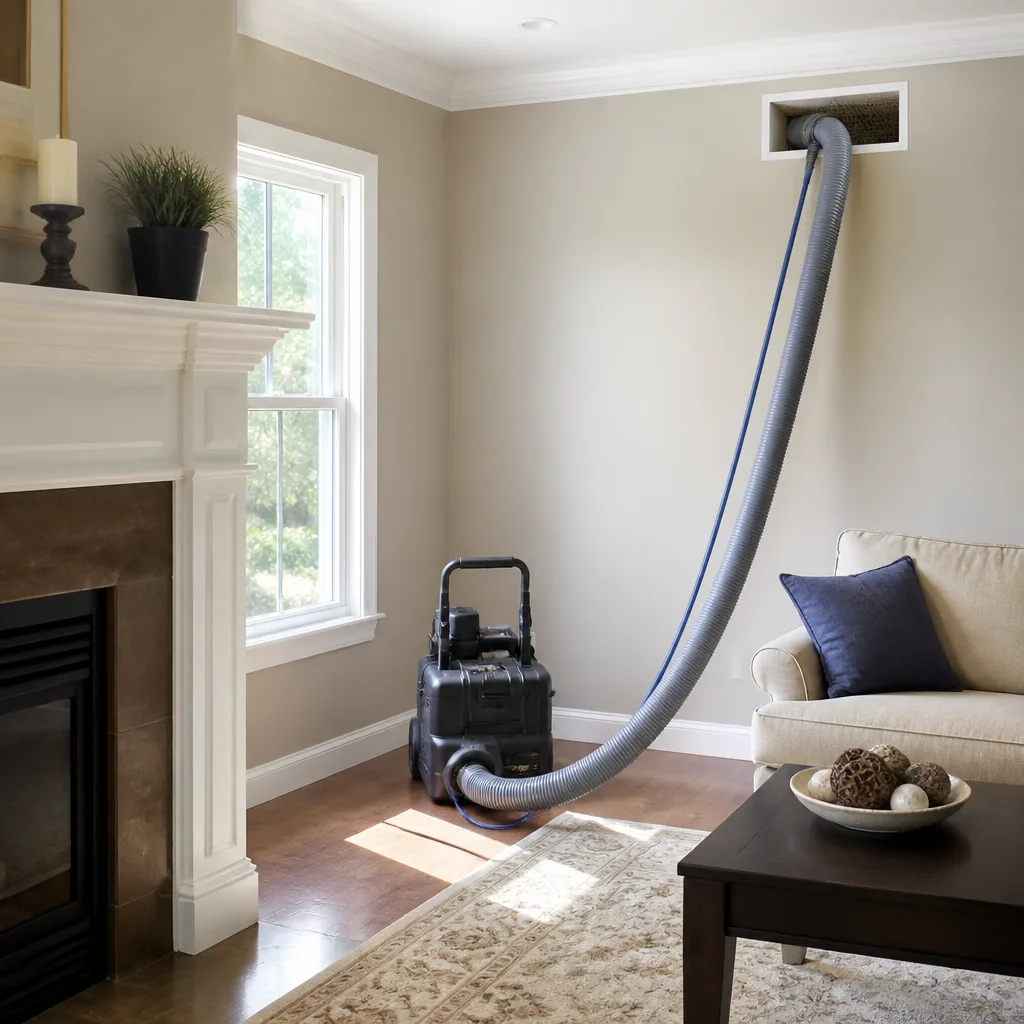 Sanitizing & deodorizing
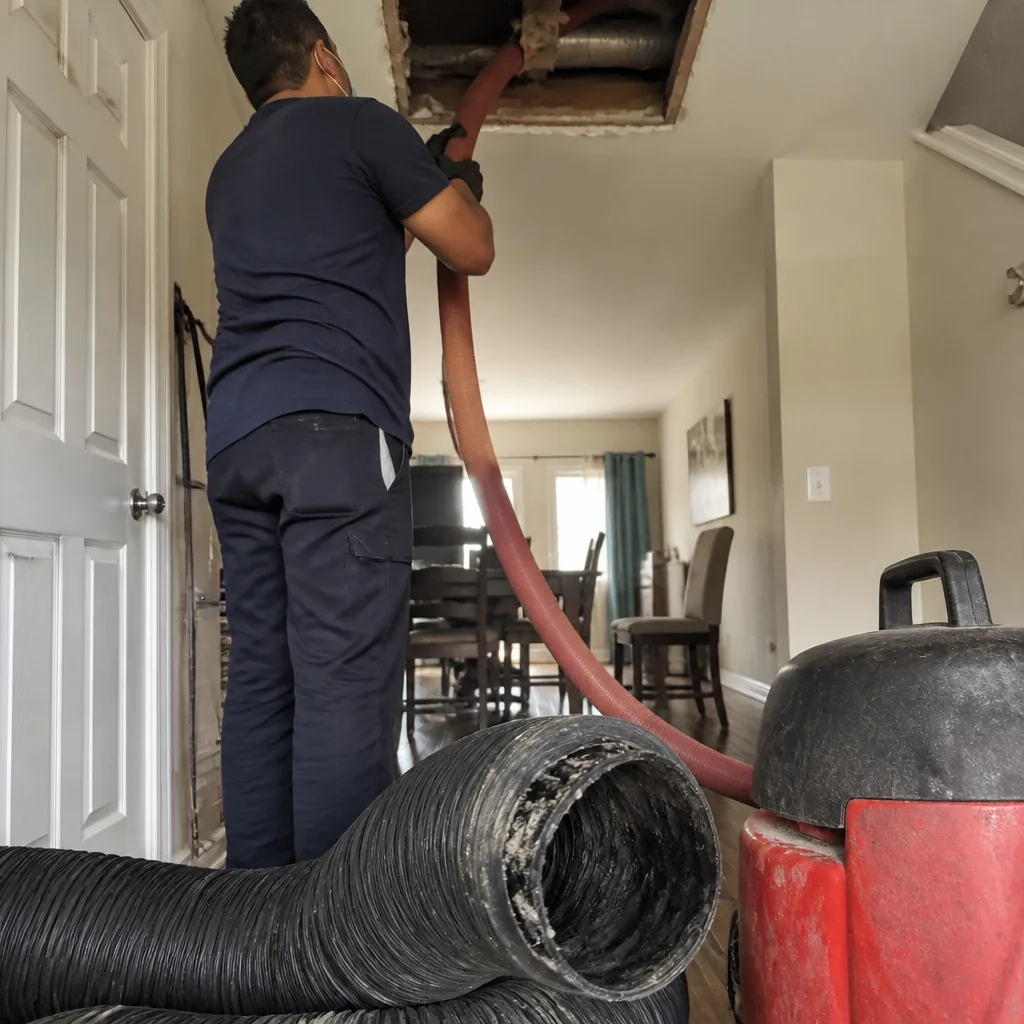
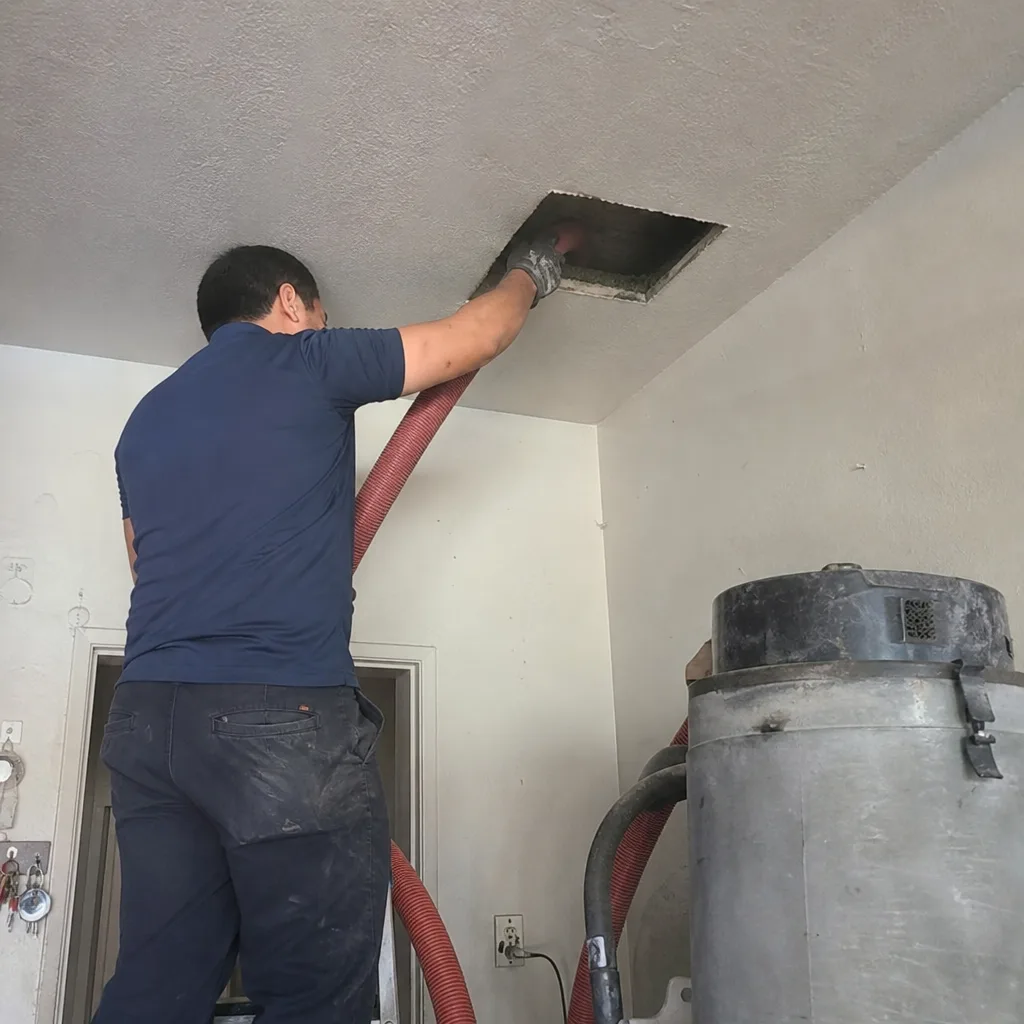
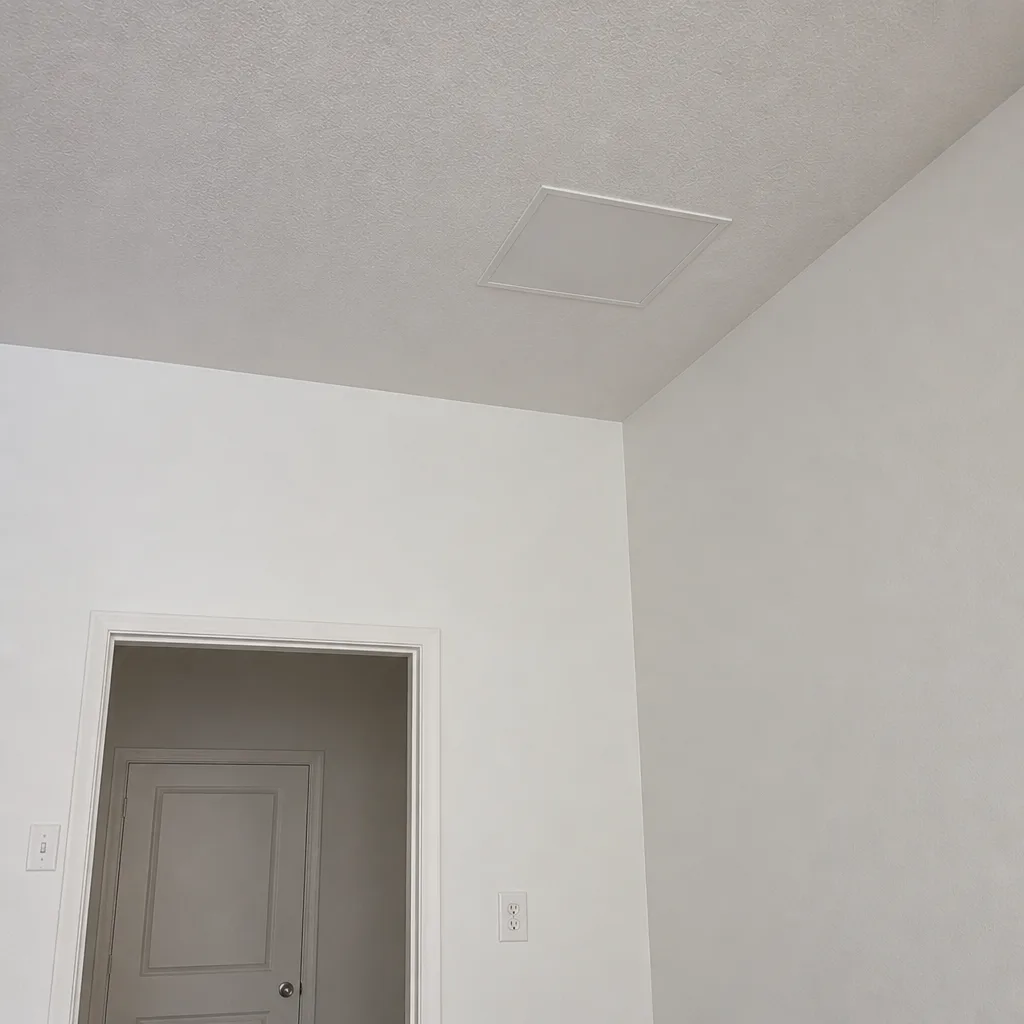
Whole-system duct and dryer vent check with before-and-after photos - you see exactly what came out of your vents
That "$99 whole-house special" is a bait ad - the real number appears once they are in your hallway, or the "clean" is a shop-vac at the register. We photograph the inside of your ducts before and after instead.
Air Duct Cleaning Maintenance Checklist for Westpark Homeowners
Replacing your filter on schedule is the one duct maintenance task most homeowners actually do. But a clean filter can’t compensate for a cracked return duct pulling attic air straight into your living space. That’s the gap this guide closes. Duct maintenance isn’t a single annual chore, it’s a set of observable checkpoints that tell you whether your system is performing cleanly or quietly degrading. We’re going to walk you through a room-by-room inspection you can do without tools, filter intervals tuned to Westpark’s dust load, the difference between early joint separation and harmless cosmetic wear, and the checks that should follow every heating or cooling repair. Westpark Air Duct Cleaning uses this same logic on every visit, and by the end of this checklist you’ll know exactly what to look for.
Quick Answer
A practical duct maintenance checklist for Westpark homeowners covers four things: monthly filter checks with changes adjusted for local dust, a quarterly room-by-room airflow and odor walk-through, an annual inspection of visible duct connections and registers, and a professional assessment every few years or whenever you notice a real change in airflow, odor, or dust. Most of this costs nothing but attention. The professional part should be triggered by specific findings, not by a calendar someone mailed you.
Styles & brands we work with
- Whole-home duct cleaning
- Dryer vent cleaning
- Camera inspection
- Sanitizing & deodorizing
Table of Contents
- Monthly Filter Routine
- Room-by-Room Inspection
- Spotting Duct Joint Separation
- Post-HVAC-Service Checks
- Westpark Dust Load and Filter Intervals
- When to Call a Professional
- Common Mistakes to Avoid
- Frequently Asked Questions
Start With a Monthly Filter Routine, Not an Annual One
The single most reliable checkpoint in any duct maintenance plan is the filter. A filter that loads up stops passing air the way it should, and the system then runs longer, pulls harder against resistance, and spreads less conditioned air through the house. A filter that gets too dirty can also bow or tear, letting unfiltered air slip past its edges. Neither failure announces itself.
Here’s the routine we recommend for Westpark homes:
- Check the filter once a month. Hold it up to a bright window. If you can’t see light through the pleats, it’s done, regardless of what the manufacturer says.
- Mark the install date on the filter edge with a pencil. Memory is unreliable; the date isn’t.
- Note the orientation arrow before you pull it. Reinstalling backwards cuts performance and can shed fibers into the airstream.
- Replace, don’t vacuum-and-reuse, standard pleated filters. Vacuuming a disposable filter damages the media and doesn’t restore it.
- Log each change on a note taped inside the air handler closet. You’ll be surprised how useful that log becomes when you’re trying to trace a dust problem.
Manufacturer filter intervals assume an average home. Westpark isn’t an average environment, and the section on dust load below explains why the printed default often undersells what your house actually needs. Checking monthly and letting the filter tell you when it’s spent is more accurate than any printed schedule.
The Room-by-Room Inspection You Can Do Without Tools
Once a quarter, walk your home with a notepad and check three things at every register: airflow, odor, and visible debris. You don’t need instruments. Your hand, your nose, and your eyes catch most developing problems before they turn into a service call.
Airflow balance
Hold the back of your hand a few inches from each supply register while the system runs. You’re looking for consistency. A register that pushes noticeably weaker air than the others on the same floor is telling you something. It could be a partially closed damper, a crushed flex duct, a separated joint, or a buildup of debris in that branch. Note which rooms feel weak and whether the pattern changes between heating and cooling.
Odor presence
Smell the air coming from each register. Musty, dusty, or vaguely sour notes suggest moisture or biological growth somewhere in the system. A faint “attic” or “garage” smell is more concerning than most homeowners realize, because it often means return-side air is being drawn from an unintended space. Cooking or pet odors that seem to cycle back through rooms point at recirculation issues worth tracking.
Visible debris at registers
Shine a light into the supply and return grilles. You’ll see some surface dust on the fins, which is normal. You should not see a matted grey layer on the duct interior, clumps of debris, or dark streaks that look like soot. If you do, that room’s branch is worth a closer look. Note anything you find with a photo and the date. Patterns matter more than single observations.
Keep the whole walk-through to fifteen minutes. The point isn’t a perfect diagnosis; it’s catching changes early enough that Westpark Air Duct Cleaning or any qualified provider can actually do something useful about them.
How to Spot Duct Joint Separation versus Cosmetic Damage
Duct connections fail gradually. Understanding what separates a real problem from harmless wear saves you from paying for repairs you don’t need and, more importantly, from ignoring ones you do.
Early joint separation looks like this
- A visible gap at the seam where two duct sections meet, especially at elbows, transitions, and collars.
- Lifting or peeling mastic along a seam, even a thin line of it. Mastic should look continuous and bonded.
- Dust plumes appearing as dark streaks radiating from a joint or register collar.
- Conditioned air escaping into a closet, garage, or attic, which you can often detect by how much warmer or cooler that space feels than it should.
- A whistling or hissing you can hear standing near a register with the system running.
Cosmetic damage you can usually leave alone
- Faint surface smudges on the outside of a duct run, especially at older installs.
- Minor dents that don’t create a gap or a leak.
- Discoloration of duct tape that wasn’t proper mastic to begin with, provided the underlying seam is intact.
Duct tape on its own is a poor long-term seal; it dries, cracks, and lets go within a few years. Real joint separation calls for mastic, proper mesh tape, or in some cases replacement of a short section. This is one area where the fix matters as much as the finding. Our air duct cleaning work frequently uncovers exactly these points of leakage, and sealing them is a natural part of the job.
Post-HVAC-Service Checks Every Homeowner Should Make
When a technician finishes a heating or cooling repair, you now have an owner-commissioned opportunity to verify that the system is truly back to spec. The repair itself gets the attention; the duct connections that were disturbed during access often don’t. Here’s what to check within a day or two of a service call.
- Confirm the filter is installed and oriented correctly. Sounds obvious. It’s the most common post-service miss.
- Walk every register again. Match what you feel and hear now against what you noted before the service. Any new imbalance is worth a call back.
- Check the air handler closet and any access panels for gaps. Panels that were removed and rehung sometimes don’t get sealed properly. You’re looking for daylight, gaps, or bolts that don’t tighten flush.
- Smell the air in each room. New odors after a repair usually point to disturbed dust, an unsealed access port, or a return that got knocked out of alignment.
- Listen near the air handler. Whistling, ticking, or a rush of air from a location that didn’t used to make noise suggests a leak path opened up.
- Ask for a duct-connection check if the technician had to move or reseat any ductwork to reach the repair. Not all service calls touch the ducts, but a coil clean, an access panel, or a blower repair almost always does.
This is also the right moment to think about whole-system performance. A repair restores function; it doesn’t necessarily restore cleanliness. If the system just went through a component that involved dust or debris movement, a follow-up review of the air path is worth considering. Our HVAC cleaning service exists to keep an accessed system from quietly accumulating the very material it was just cleared of.
Tuning Filter Intervals to Westpark’s Dust Load
Manufacturer filter schedules assume an average home with average outside air and average furnace cycles. Westpark homes rarely fit that profile. This part of the area sits in a transitional climate with long dry stretches and frequent inland air movement, which means more airborne particulate finding its way to your filter than a national average accounts for. Add remodeling dust, pets, or open windows during the milder months, and the printed “change every 90 days” defaults are optimistic.
Here’s how we recommend adjusting:
- Standard 1-inch pleated filters in a typical Westpark home: check monthly, replace every 30 to 60 days in dusty seasons, and 60 to 90 days during cleaner stretches. Let visual inspection, not the calendar, be the deciding factor.
- Homes with pets or allergy-sensitive residents: treat 30 days as the outer limit for a 1-inch filter, and consider a deeper media cabinet.
- Homes near active construction or open land: check every two weeks during construction. Debris load during a remodel can be several times the baseline.
- Recently renovated homes: plan on a filter change immediately after the work is complete, plus a second change 30 days later to catch the fine dust that settles slowly.
Deeper filters and higher-MERV media capture more, but they also load faster and can restrict airflow in a duct system sized for basic filters. Westpark Air Duct Cleaning installs Honeywell and Aprilaire filtration products for exactly this reason: the right filter for a house is a system decision, not a shelf decision. A filter that’s too restrictive starves the very system it’s supposed to protect.
From Checklist Finding to Professional Call: What Should Trigger What
Not every checklist finding requires a professional visit. Here’s a straightforward map from what you observe to what typically makes sense next.
DIY remedies that usually resolve the finding
- One weak register with a partially closed damper. Open the damper and confirm the airflow improves.
- Filter overdue. Change it. Re-check the checklist in 30 days.
- Surface dust on register grilles. Remove the grille, wash it, dry it, replace it.
- Mild mustiness after a rainy stretch. Run the fan continuously for a day and check for improvement. If it persists, escalate.
Findings that warrant a professional inspection
- Visible gap or lifted mastic at a duct joint. That’s leakage, and it needs sealing with proper materials.
- Persistent musty or “outside” odor from returns or supplies. Points at an air-path or moisture problem that continues to feed contamination.
- Consistent weak airflow to one or more rooms after confirming the damper is open and the register is clear.
- A matted layer of debris visible inside the ducts after you’ve simply cleaned the grille.
- Recent renovation, move-in to a previously occupied home, or a system that hasn’t been looked at in years. These are the classic reasons to have the system assessed.
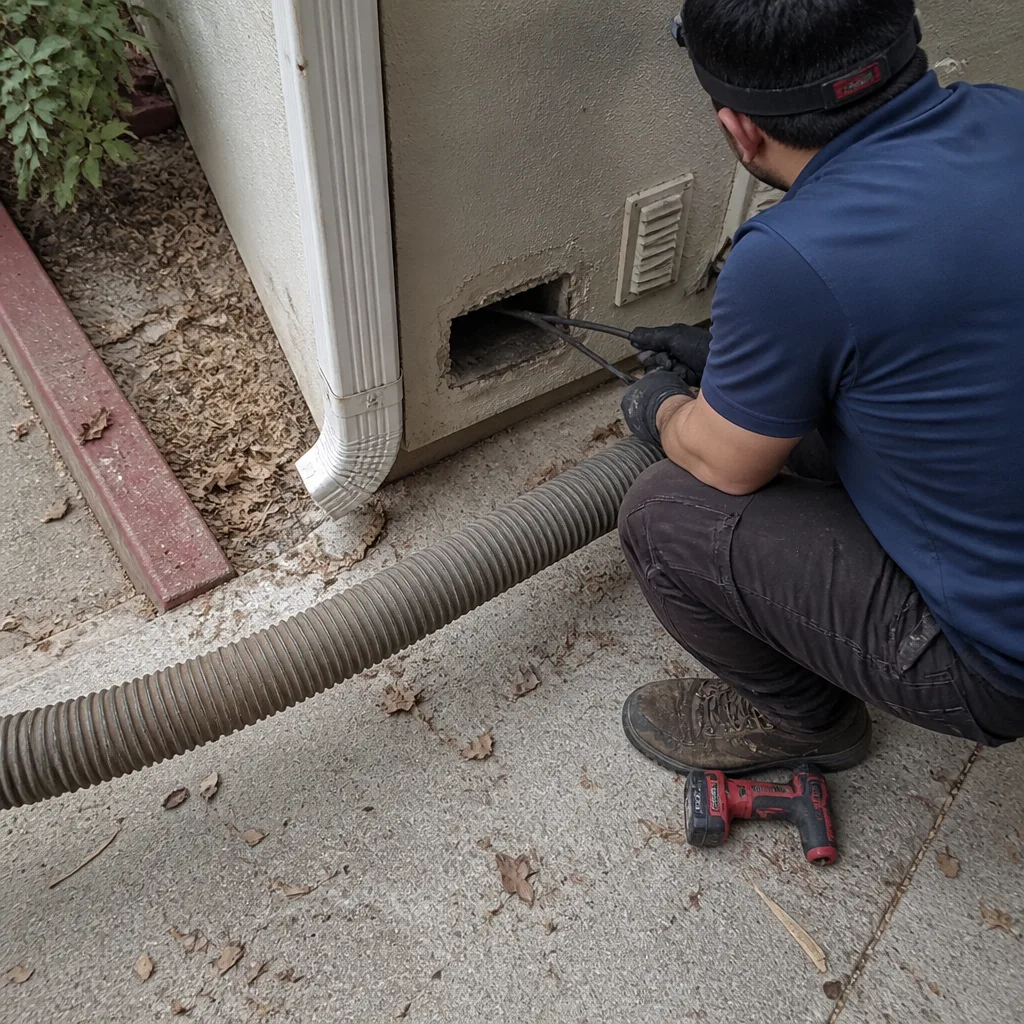
- A dryer that takes noticeably longer to dry clothes or feels hot to the touch at the back. That’s a vent-safety signal, not a comfort one.
What a professional inspection covers
A proper inspection with Westpark Air Duct Cleaning walks the entire air pathway: cleaning the ducts with a rotary-brush system, using truck-grade vacuum equipment from Nikro to draw dislodged material out safely, running Abatement Technologies air filtration on-site to keep contaminants contained during the work, and then checking every accessible joint for separation. Cleaning without checking for leaks leaves you with a clean system that leaks as much as it did before. We repair and seal as part of the visit for exactly that reason. When we work on dryer vents, the same principle applies: the dryer vent cleaning service exists because a lint-clogged vent is a fire-safety concern, not just a drying-time one.
Common Mistakes to Avoid
- Relying on the manufacturer’s filter schedule as gospel. It’s a starting point, not a plan. Westpark’s dust load gets ahead of printed defaults, and checking monthly beats a calendar every time.
- Assuming a clean filter means a clean system. The filter sees only what reaches it. Debris sitting in return plenums and branch runs never touched the filter at all.
- Ignoring a thin line of lifted mastic. Small separations grow. A joint that’s just starting to fail is the cheapest one to fix.
- Calling a discount crew based on a coupon. Pricing per vent usually means “how many openings we can count.” Flat-priced whole-system work is easier to compare and easier to trust.
- Skipping the post-service walk-through. Small follow-up issues take five minutes to spot and a much longer call to fix if they drift for a season.
- Treating dryer-vent lint as a comfort issue. It’s a fire concern. If your dryer runs hot or clothes take an extra cycle to dry, that vent deserves a look.
- Letting a renovation go by without a filter-and-duct follow-up. Drywall dust and construction particulate settle into ductwork slowly. A second filter change and a system review 30 days out matter.
See the difference
 Before
 After
 Before
 After
 Before
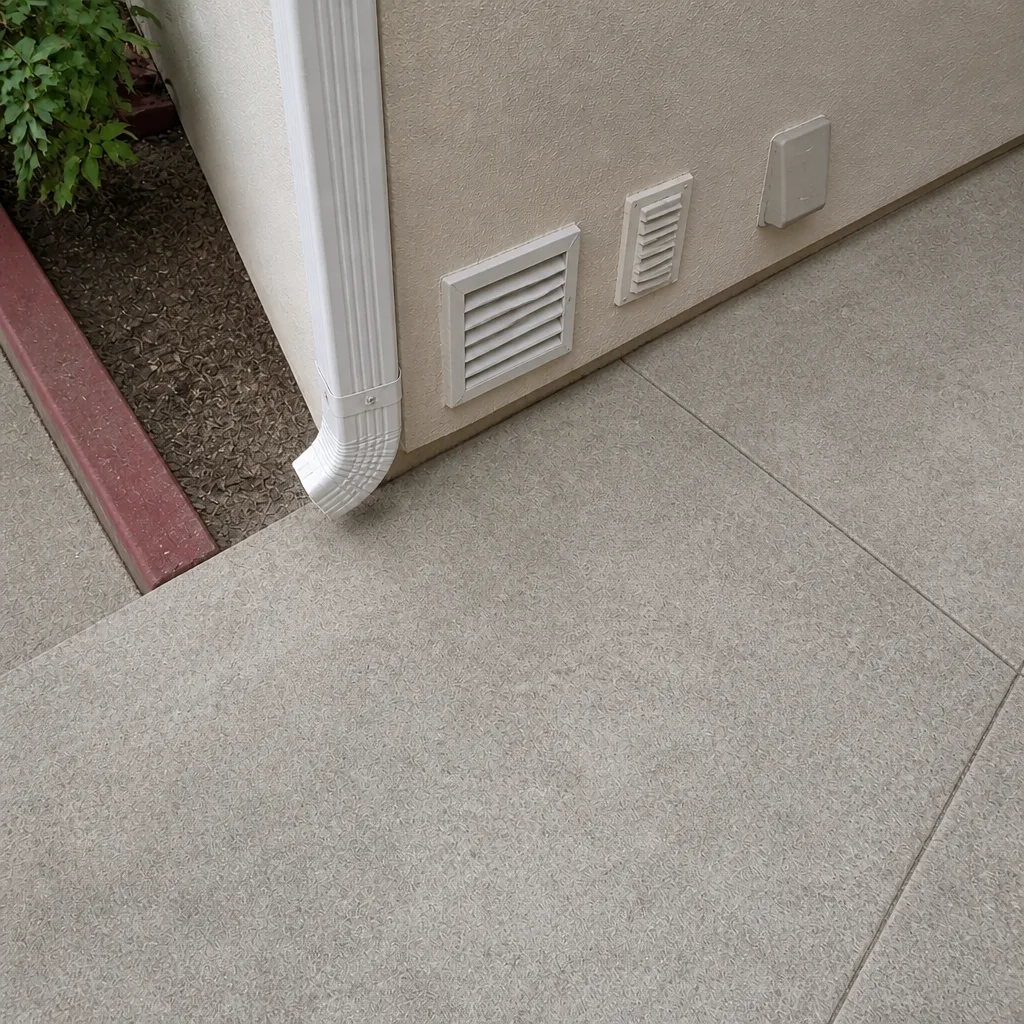 After
When to Call a Professional
Call a professional when the checklist surfaces something you can’t resolve by changing a filter, opening a damper, or cleaning a grille. Specifically: visible joint separation or lifted mastic anywhere in an accessible duct run; a persistent musty or “outside” odor that returns after you’ve run the fan; visibly matted debris inside a supply or return; a room that stays weak after you’ve confirmed the damper is open and the register is clear; a system you’ve just moved into that you don’t have history on; or a dryer that runs hot and slow. Those are the findings that reward a real inspection. Westpark Air Duct Cleaning offers free estimates in Westpark. Call (877) 820-9652. We answer 24/7. Fast dispatch from 7am to 7pm, Sunday through Friday. Our technicians have up to 12 years of experience and use Rotobrush and Nikro equipment on every job.
Frequently Asked Questions
Most Westpark homes benefit from a professional assessment every three to five years, but the trigger should be what you observe, not the calendar. A home with pets, allergy-sensitive residents, recent renovation, or a long history without service usually warrants a look sooner. The checklist in this guide is a better scheduling tool than a fixed interval. Call (877) 820-9652 for an exact quote; estimates are free.
Maintenance cleaning clears light surface debris from accessible runs and registers. Full duct cleaning addresses the entire air pathway with rotary-brush equipment, high-capacity vacuum extraction, and on-site air filtration, plus a check of every accessible joint for separation. Full cleaning is the appropriate response to a system that hasn’t been serviced in years, has visible debris inside the ducts, or is showing odor or airflow issues. Both exist for different stages of a system’s life.
Yes, and the difference shows in the equipment and the process. Consumer-grade vacuums and simple brushes can agitate dust without containing it, which can push material back into your living space. Professional work uses truck-grade vacuum and containment, like the Abatement Technologies filtration we run on-site, so dislodged material is captured rather than redistributed. Ask any crew what equipment they use before you book.
Ask for before-and-after photos of your own ducts, not stock images, and expect them as a normal part of the visit. Also compare your register airflow before and after using the same walk-through you’ll do on your own. A real clean shows up in the photos and in the airflow. If you’re getting quotes, this is the single best question to ask each provider.
Almost always yes, and more than once. Construction dust is finer and more abrasive than typical household dust, and it settles into duct runs gradually over the weeks following a renovation. A filter change immediately after work, a second change 30 days out, and a system inspection are the practical response. Skipping it leaves particulate in the airstream that no filter can retroactively remove.
Both if the system leaks. Cleaning removes debris; sealing closes the path that lets outside air and particles back in. A joint that’s still separated after cleaning is a system that will reaccumulate dust faster, and it wastes conditioned air. Westpark Air Duct Cleaning treats duct repair and sealing as part of the same visit because a leaking system is never truly clean.
The Bottom Line
Duct maintenance works best as a set of small checkpoints: a monthly filter check, a quarterly room-by-room walk-through, an annual review of joints and registers, and a professional inspection whenever the checklist surfaces a real finding. Westpark’s dust load means filter defaults deserve shortening, and post-HVAC-service checks are the easiest habit to build for catching problems early. The goal isn’t to schedule frequent service calls; it’s to know when one is genuinely warranted. Westpark Air Duct Cleaning is here when it is. Call (877) 820-9652 for a free estimate. We answer 24/7. Fast dispatch from 7am to 7pm, Sunday through Friday.
Written by the team at Westpark Air Duct Cleaning.