
Last updated November 23, 2026
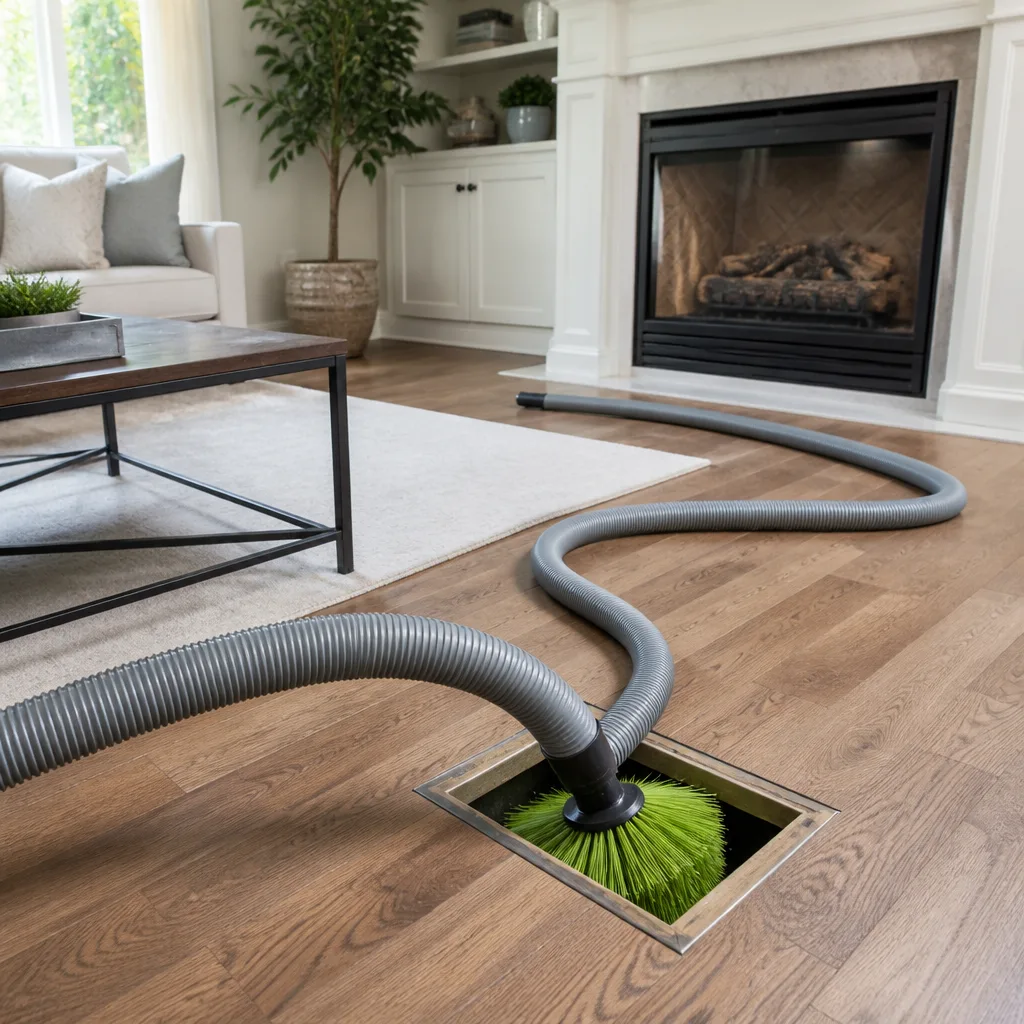 Whole-home duct cleaning
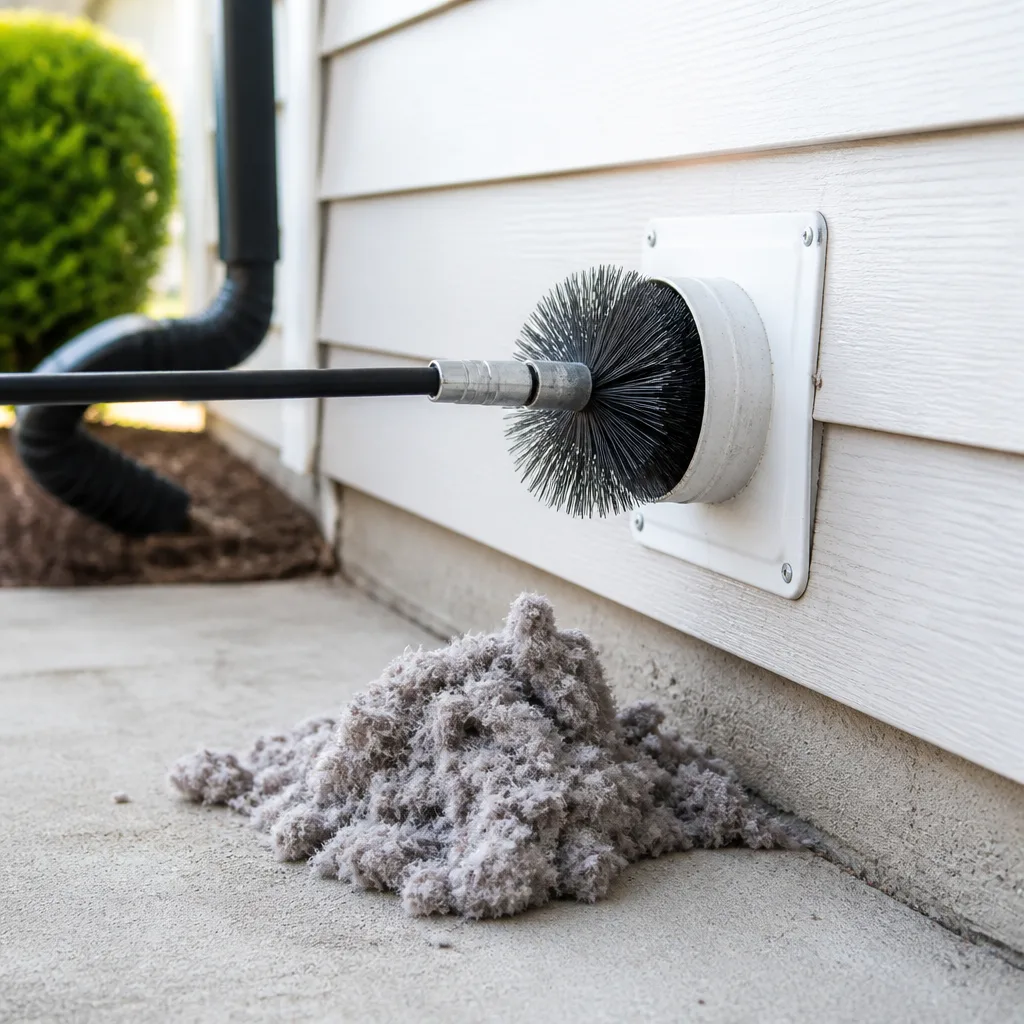 Dryer vent cleaning
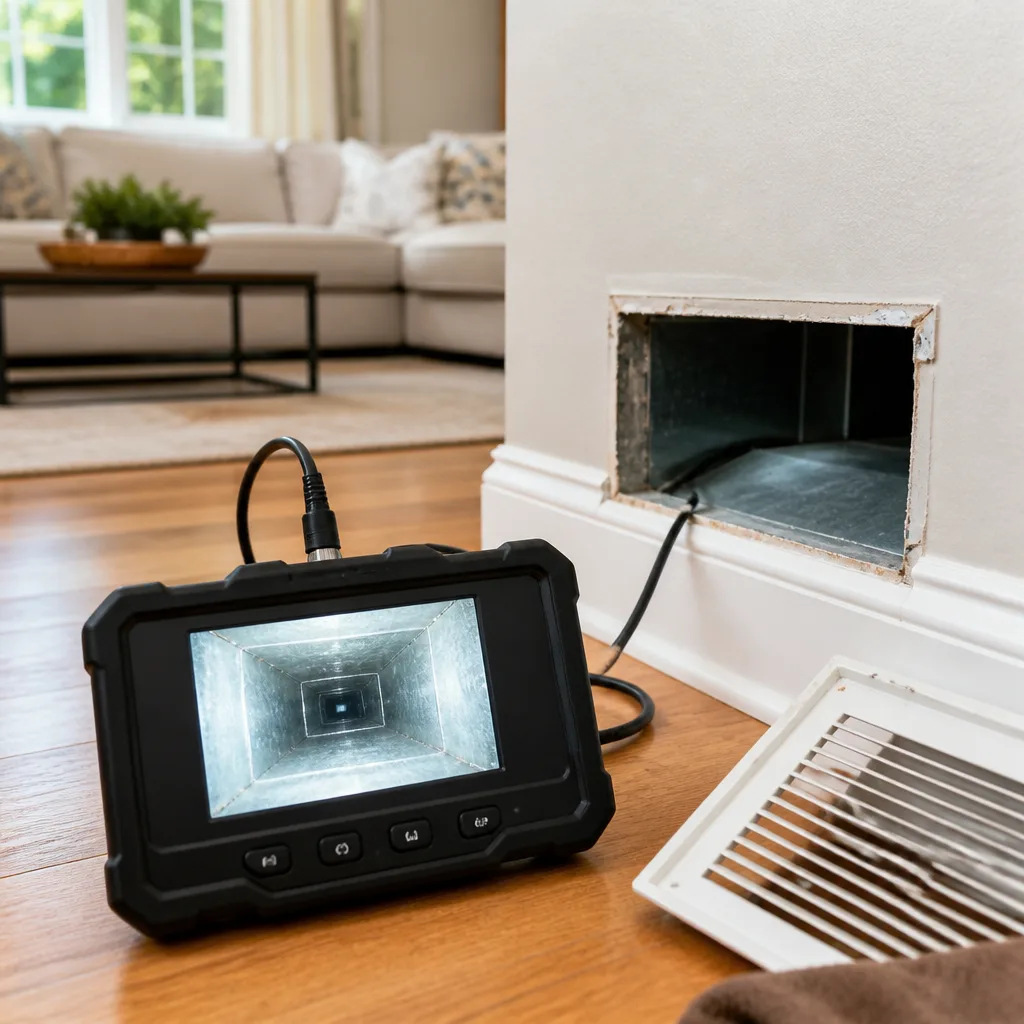 Camera inspection
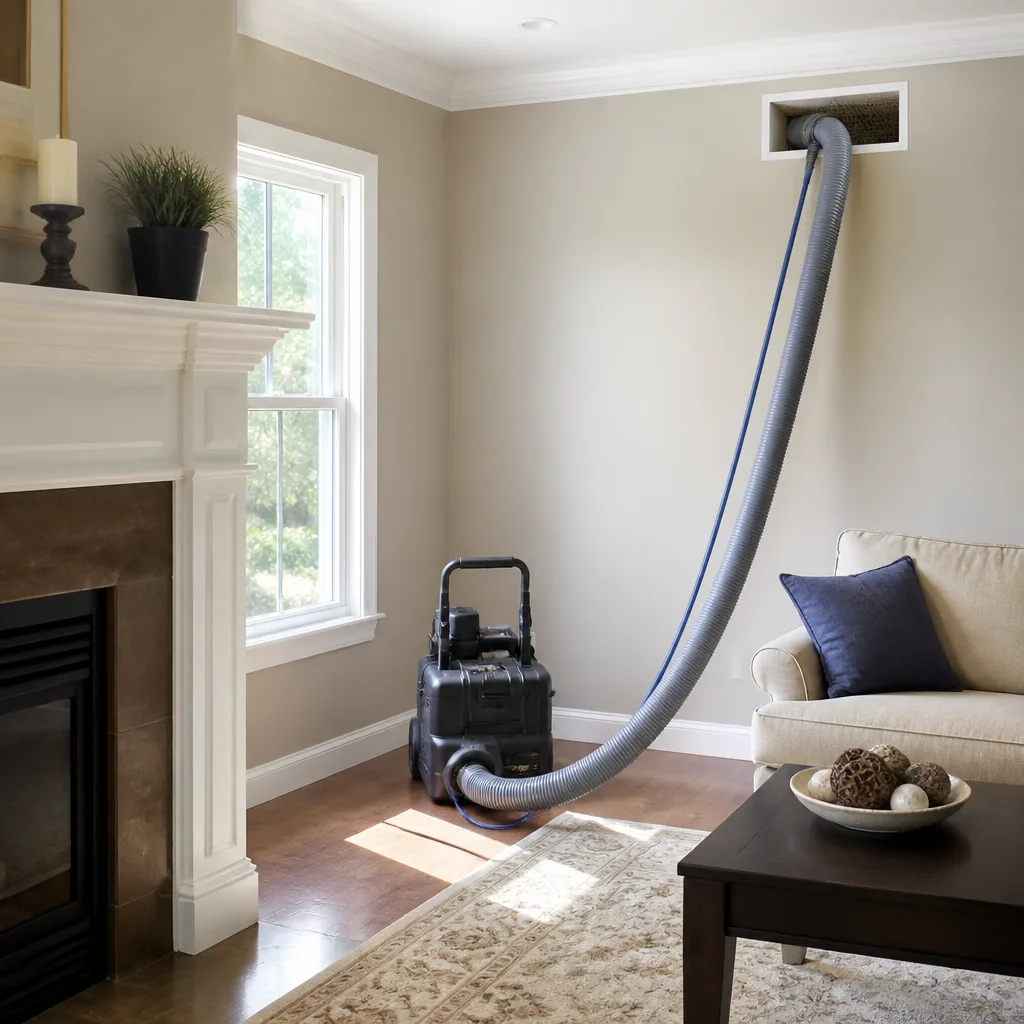 Sanitizing & deodorizing
Whole-system duct and dryer vent check with before-and-after photos - you see exactly what came out of your vents
That "$99 whole-house special" is a bait ad - the real number appears once they are in your hallway, or the "clean" is a shop-vac at the register. We photograph the inside of your ducts before and after instead.
Air Duct Cleaning Troubleshooting in Westpark: Common Problems and How to Fix Them
If you’ve changed the filter three times this year and your home still smells musty, the problem isn’t the filter. It’s what the filter never reached. Most duct problems homeowners try to troubleshoot on their own – weak airflow, stubborn odors, one room that never heats or cools right – have a root cause buried inside the duct system itself, and no amount of filter swapping, register dusting or candle-and-smoke tests will find it. What you need is a proper symptom-to-cause map. This guide gives you one. You’ll learn how to read the clues your home is already giving you, when a phone camera helps, and when it flatly can’t. We’re Westpark Air Duct Cleaning, and this is the troubleshooting framework we’d walk through with any homeowner in Westpark.
Quick Answer
Most air duct troubleshooting in Westpark comes down to distinguishing between a dirty duct problem and a leaking duct problem – and they require completely different fixes. A dirty system needs professional cleaning of the full air pathway; a leaky system needs duct repair and sealing, often before any cleaning is worth doing. A small set of symptoms – whistling, single-room airflow failure, and persistent post-clean odors – point to pressure problems and skipped sanitizing steps that a homeowner checklist can flag but can’t fix.
Styles & brands we work with
- Whole-home duct cleaning
- Dryer vent cleaning
- Camera inspection
- Sanitizing & deodorizing
Table of Contents
- Symptom-to-Cause Map: What Your Home Is Telling You
- Uneven Airflow: Collapsed Duct, Blocked Register, or Blower Issue?
- Persistent Odors After Cleaning: What Went Wrong
- Whistling and Whooshing: Pressure, Joints, or an Undersized Return
- Dirty Duct vs. Leaky Duct: Why the Fix Is Different
- DIY Phone-Camera Inspection: Where It Helps and Where It Stops
- When to Call a Professional
- Frequently Asked Questions
Symptom-to-Cause Map: What Your Home Is Telling You
Before you call anyone, write down what your house is actually doing. The symptoms themselves are diagnostic if you map them correctly. In our experience working through Westpark homes, four symptoms account for the large majority of calls, and each points to a specific family of causes:
- Weak airflow at every register, everywhere in the house. This is a system-wide symptom. It usually points to a restriction upstream of the registers – a clogged blower wheel, a crushed main trunk line, or a filter that’s starving the system rather than dust at the vents themselves.
- Weak airflow in one room only. This is a branch-line problem. Causes are almost always downstream of the trunk: a collapsed section of flex duct, a disconnected run in the attic or crawlspace, or a register that’s blocked or closed by furniture, carpet or a dropped ceiling panel.
- Musty or dusty odor that comes and goes with the system. Odor that only engages when the HVAC runs means contamination is sitting on a surface the airstream touches – duct walls, the evaporator coil, or the blower housing. It’s the moving air that carries it to you.
- Whistling, rattling or whooshing at a specific vent. Sounds are pressure stories. A whistle at one register while others run quiet means that register or the duct feeding it is undersized for the air being forced through it, or a joint in the system has opened up and is drawing or dumping air.
What makes this mapping worth doing is that it saves you from the most common wasted step: paying for cleaning when the real problem is mechanical. A collapsed flex duct will still be collapsed after any cleaning – the debris will go, the airflow won’t come back. That distinction is the whole point of troubleshooting before you spend. Westpark Air Duct Cleaning walks through this exact diagnostic before quoting any job, because cleaning a compromised system is money spent on the wrong fix.
Uneven Airflow: Collapsed Duct, Blocked Register, or Blower Issue?
Uneven temperatures and weak airflow are the most common duct complaint in Westpark, and there are three distinct causes worth separating. Here’s the practical order of elimination:
- Check the register and the visible run first. Is the register open? Is furniture, a rug, a drape or a ceiling panel blocking it? Look at the flex duct where it’s accessible in the attic or crawlspace – is it crushed, kinked at a tight bend, or disconnected from its collar? This takes minutes and eliminates the cheapest causes.
- Test the whole-house pattern. Hold a sheet of tissue at each register with the system running. If the tissue is barely moved at every vent, it’s a system-wide restriction – filter, blower, or main trunk. If it’s strong at some vents and limp at one, it’s a branch-line problem.
- Suspect the blower. If airflow is globally weak but the filter is clean, the blower wheel is a likely culprit. A dirty blower wheel doesn’t look dramatic, but its curved blades load up with dust and lose their ability to move air. This needs a technician – it’s not a homeowner job, and it’s exactly the kind of contamination a surface vacuum misses.
- Suspect the main trunk. A crushed or disconnected trunk line, often at a sharp bend or where a run was added after the fact, starves whole zones. This is why we run duct repair and sealing as a service alongside cleaning: resealing a compromised trunk restores airflow that no amount of cleaning will.
In Westpark’s milder winters, homes lean heavily on heat pumps and central systems running year-round, so a slow airflow decline often goes unnoticed until a hot stretch. That’s why we recommend tracing the pattern on a mild day when you can feel the difference room by room. When uneven airflow traces to a dirty blower or loaded coil, professional cleaning of the whole pathway with equipment built for the job – the kind of rotary-brush and high-vacuum systems used by commercial HVAC contractors – is the fix, not a consumer shop vac at the register face.
Persistent Odors After Cleaning: What Went Wrong
Here’s the counterintuitive part: if your ducts smell worse or the same after a cleaning, the cleaning usually didn’t fail. The sanitizing step was probably skipped. Removing loose debris and contamination without treating the surfaces that hold odor doesn’t fully address the musty smell – and some cleaners drop their price by skipping that step entirely, then leave you wondering why you spent the money.
Odor-causing contamination isn’t just dust. It’s the biology that grows on dust: microbial film on duct walls, the evaporator coil, and the drain pan. Those surfaces need a treatment step, not just a vacuum pass. Our approach in Westpark uses treatment products on those surfaces as a distinct stage, and it’s why we don’t quote duct cleaning as a one-tool operation.
There’s a second reason odors linger after a “cleaning”: the cleaning itself can stir up contamination if the equipment isn’t contained. Abatement Technologies air filtration equipment used on-site captures dislodged contaminants rather than redistributing them through your home – that’s the difference between a proper cleaning and a dust event. If your home smells musty after a job, ask two questions:
- Was a sanitizing or antimicrobial treatment step part of the scope, or only vacuuming?
- Was air filtration used during the work to capture what came loose?
If the answer to either is no, the odor is your clue that the job was incomplete, not that the duct cleaning idea failed. We treat this as a second-stage service in Westpark all the time.
Whistling and Whooshing: Pressure, Joints, or an Undersized Return
Every sound from your ductwork is a pressure reading. Here’s how to interpret the three common ones:
- Sharp whistle at one register. Air is being forced through a gap that’s too tight for the flow. Usually the register or branch duct feeding it is undersized, or the supply pressure is too high for that room’s vent.
- Soft whoosh or rush at every vent, all the time. This is normal flow noise if it’s steady and unremarkable. If it’s suddenly louder than it used to be, a return duct may be undersized or a filter may be creating a pressure imbalance – the system is working harder to move the same air.
- Rattle, pop or slap in a wall or ceiling. This is a loose joint or unsecured duct. Flex duct that’s not properly strapped can vibrate against framing, and joints that have separated will pop under pressure changes.
The diagnostic question: does the sound change when you open or close other vents? If closing the bedroom registers makes the living-room vent whistle harder, you’re looking at a pressure imbalance, and the fix is usually a balancing damper or an airflow adjustment rather than anything dramatic. If the noise is a rattle in the wall, a loose joint or disconnected run may be the cause, and that falls squarely into duct repair, not cleaning.
One warning on returns: an undersized return is the most overlooked cause of a system that feels weak despite clean ducts and a clean filter. The return is the duct pulling air back to the blower. If it’s too small, the whole system is starved. If the whistle is at the return grille, that’s a strong clue. Have a technician confirm with a static-pressure reading before you assume the supply side is at fault. In Westpark homes with tighter interior construction, return sizing gets overlooked more than you’d expect.
Dirty Duct vs. Leaky Duct: Why the Fix Is Different
This is the single distinction that separates a real troubleshooting decision from guesswork. A dirty duct problem and a leaky duct problem share symptoms – both cause uneven temperatures, weak airflow, and higher energy use – but the fixes are entirely different, and cleaning a leaky system first is often the wrong order of operations.
Dirty duct problem: debris and contamination are inside working ducts and restrict airflow, circulate dust, or cause odor. Fix: professional air duct cleaning and treatment of the full air pathway. When done with the right containment equipment, this is a complete fix.
Leaky duct problem: the duct system is compromised – separated joints, torn flex, disconnected runs, or loose connections at plenum and registers. Air is escaping into unconditioned space or pulling attic air into the system, so you’re paying to condition air that never reaches your rooms. Fix: duct repair and sealing. Cleaning before sealing means your freshly cleaned ducts keep leaking afterward – they get clean, then immediately pull outside air back in.
The practical rule we give Westpark homeowners: if a static-pressure or visual inspection finds disconnected or crushed runs, repair and seal comes first, cleaning comes second. If the system is sealed and simply loaded with debris, cleaning is the whole job. And for the broader service picture – including HVAC cleaning of the coil and blower where contamination builds – it’s worth understanding that the air pathway runs duct to vent to the air you breathe, and each part has its own fix.
DIY Phone-Camera Inspection: Where It Helps and Where It Stops
A phone camera on a stick is genuinely useful for duct troubleshooting, but only within a narrow band. Here’s where it earns its place:
- Checking a visible register opening. Tape a phone with the flashlight on to a stiff pole and look just past the grille. You can see the immediate run – dust buildup, a crushed flex connection, a disconnected collar. That’s a real, actionable photo.
- Peering into a floor or ceiling register where the run is short. In a Westpark single-story home with a short straight run, a phone camera can show whether the duct is intact near the register.
- Documenting what you can see for a professional. A photo of a disconnected run tells a technician a lot before they arrive, and it keeps the conversation honest.
Where it stops: past the first bend. A phone camera can’t navigate a trunk line, can’t show contamination on the blower wheel or evaporator coil, can’t detect pressure imbalance, and can’t find a leak inside a sealed wall cavity. It also can’t tell you whether a partially blocked run is the cause of your problem or just one more thing. What it can do is confirm a visible, specific fault – a disconnected joint you can see is a confirmed problem worth acting on. What it can’t do is rule out the causes you can’t reach. Use it as a first-pass filter, not a diagnosis, and don’t take ductwork apart to chase a camera around inside it; the risk of disconnecting a joint you can’t see is real.
One more safety note: don’t put your camera or your hand near the blower while the system is running. Blower wheels spin fast and have no guard – that’s a technician’s job. And if you suspect a gas line or electrical issue anywhere near the ductwork, stop and call a professional. The ductwork sits near both in many Westpark homes, and it’s not a place to improvise.
Common Mistakes to Avoid
- Cleaning before diagnosing. Paying for duct cleaning before confirming that the problem isn’t a collapsed run means the debris goes but the airflow doesn’t come back. Map the symptom first.
- Believing more filter changes will fix dust. Constantly replacing filters may just mean your filter is doing its job while the ducts are dirty. Filters trap what passes the return; they don’t clean the duct walls.
- Ignoring a whistle because “it’s just noise.” A whistle is a pressure signal. Left alone, a pressure imbalance works the blower harder and can worsen over time. Get the cause identified.
- Skipping the sanitizing step to save money. If odor is your problem, cleaning without a treatment step often leaves the smell. Ask exactly what the scope includes before you book anything.
- Treating a leaky duct as a dirty one. Sealing and cleaning are not interchangeable. A leaking system that gets cleaned and not sealed will pull contaminants back in.
- Trying to fix airflow with a bigger blower. If the return is undersized or a run is crushed, a bigger blower just adds pressure to a system that can’t move the air. Fix the restriction first.
- Assuming the cheapest quote is the same job. A low quote often drops the containment equipment, the sanitizing step, or the repair and sealing inspection. The scope, not the price, tells you what you’re buying.
See the difference
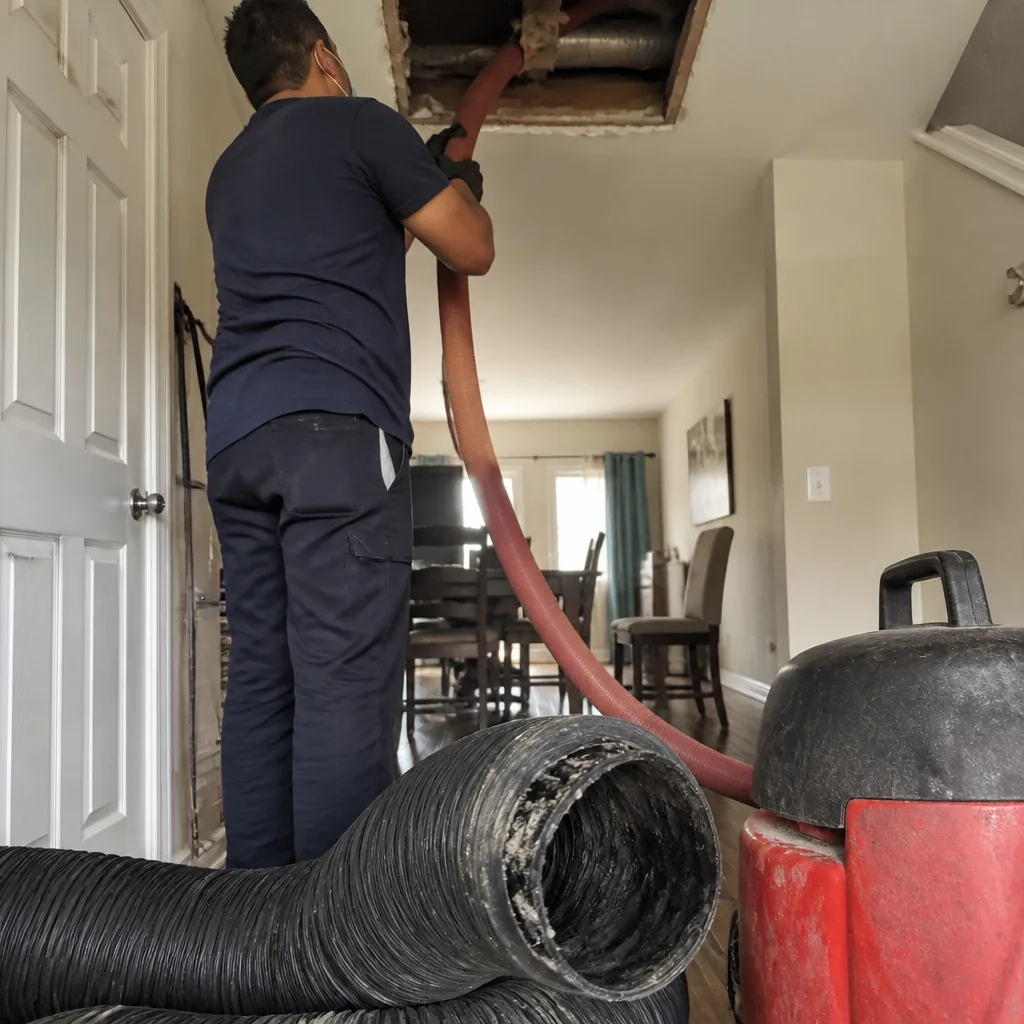 Before
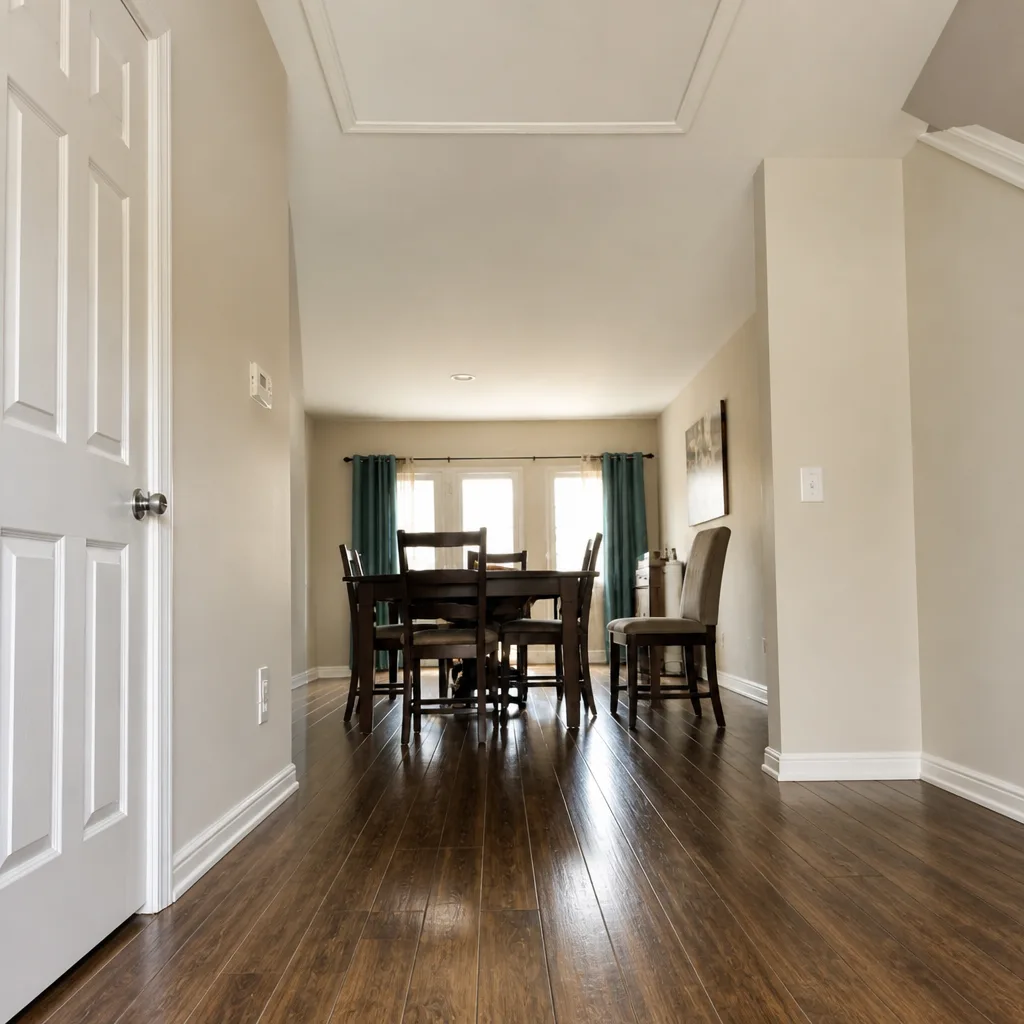 After
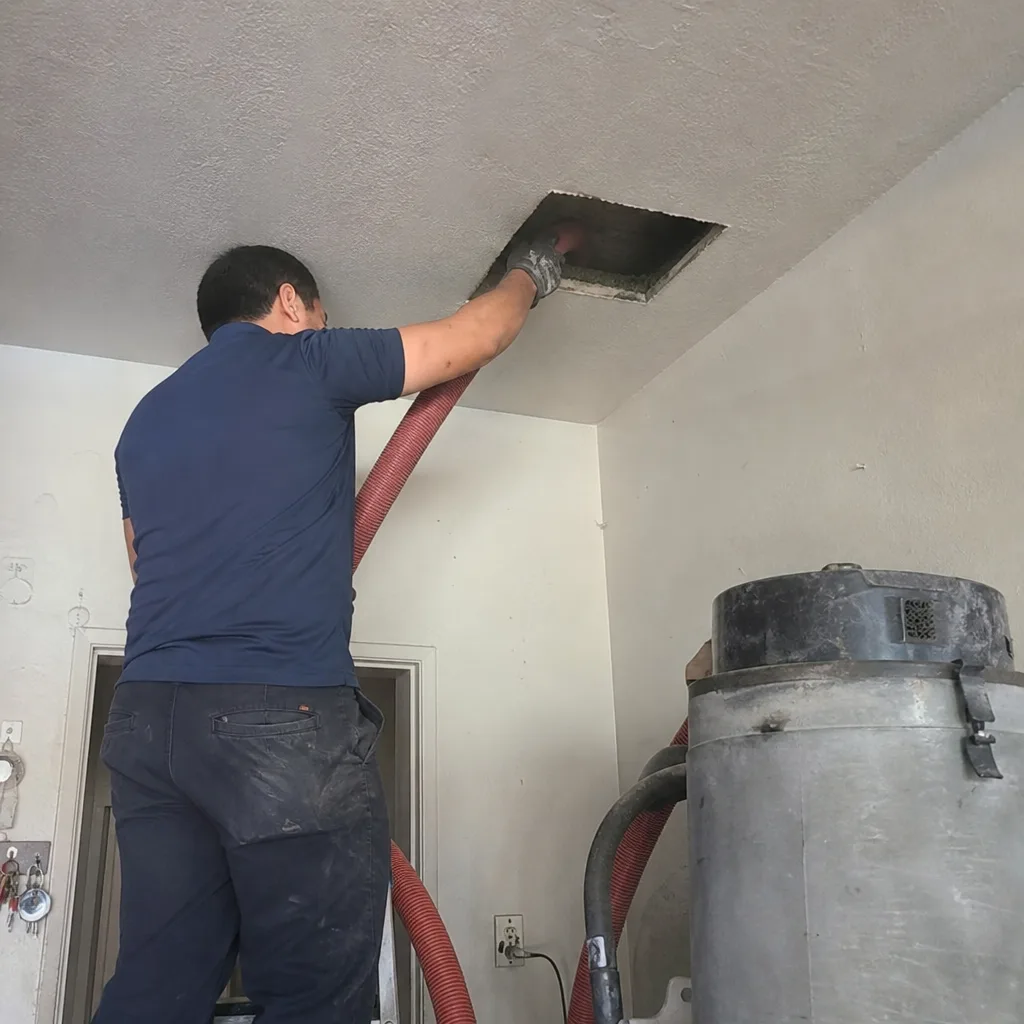 Before
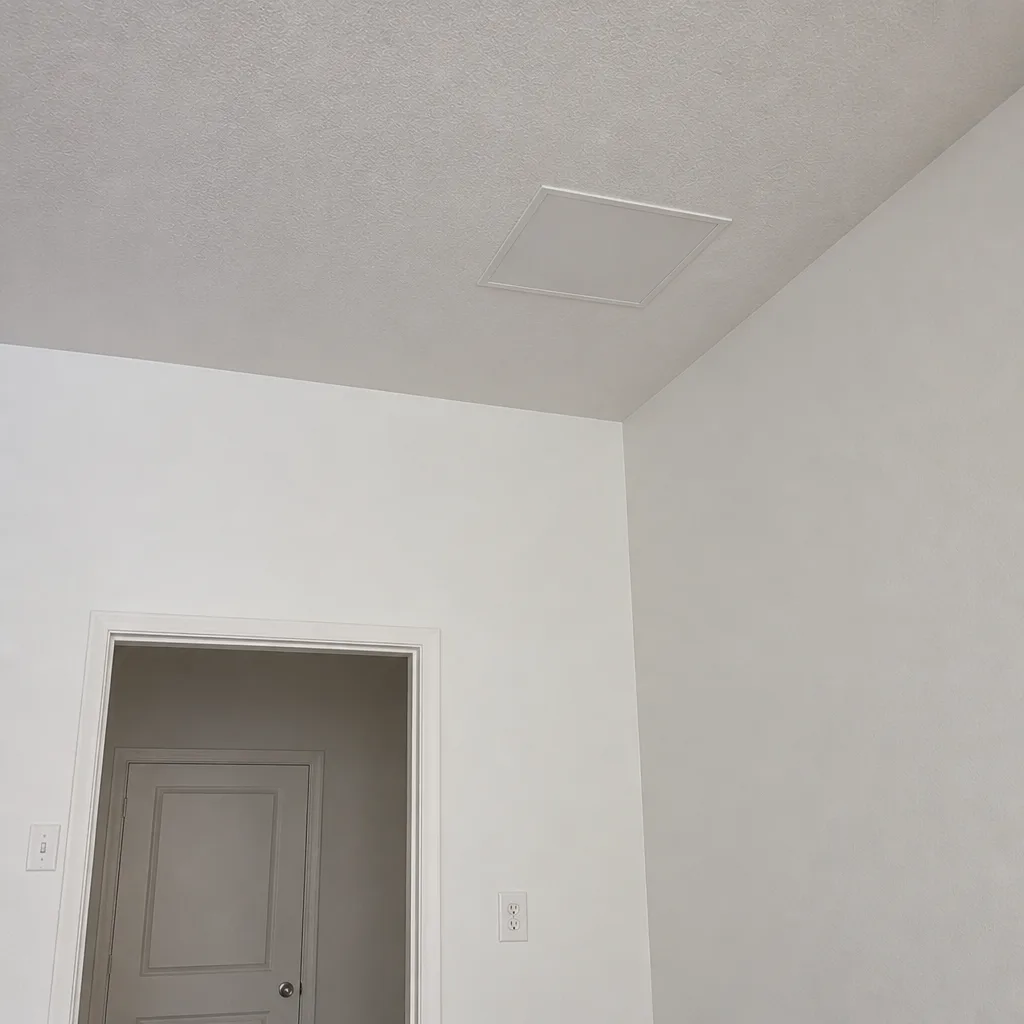 After
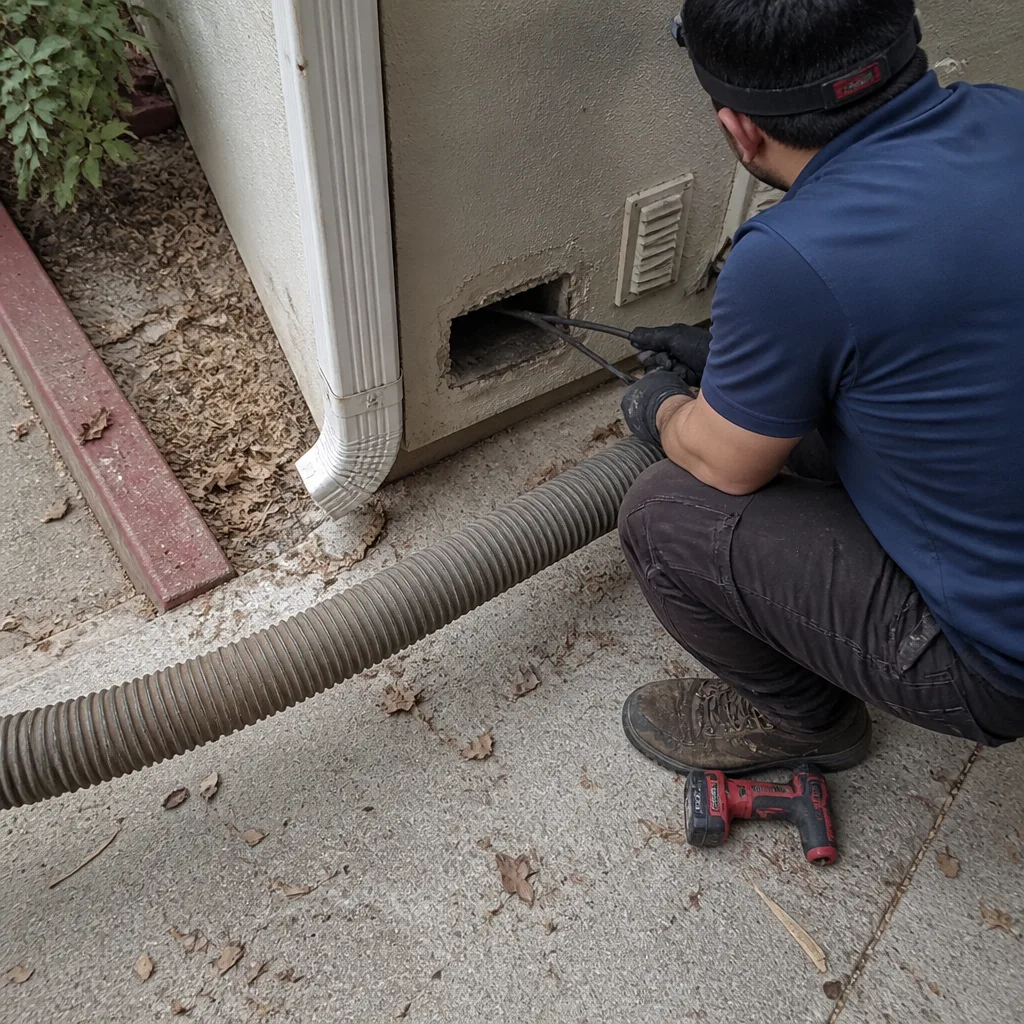 Before
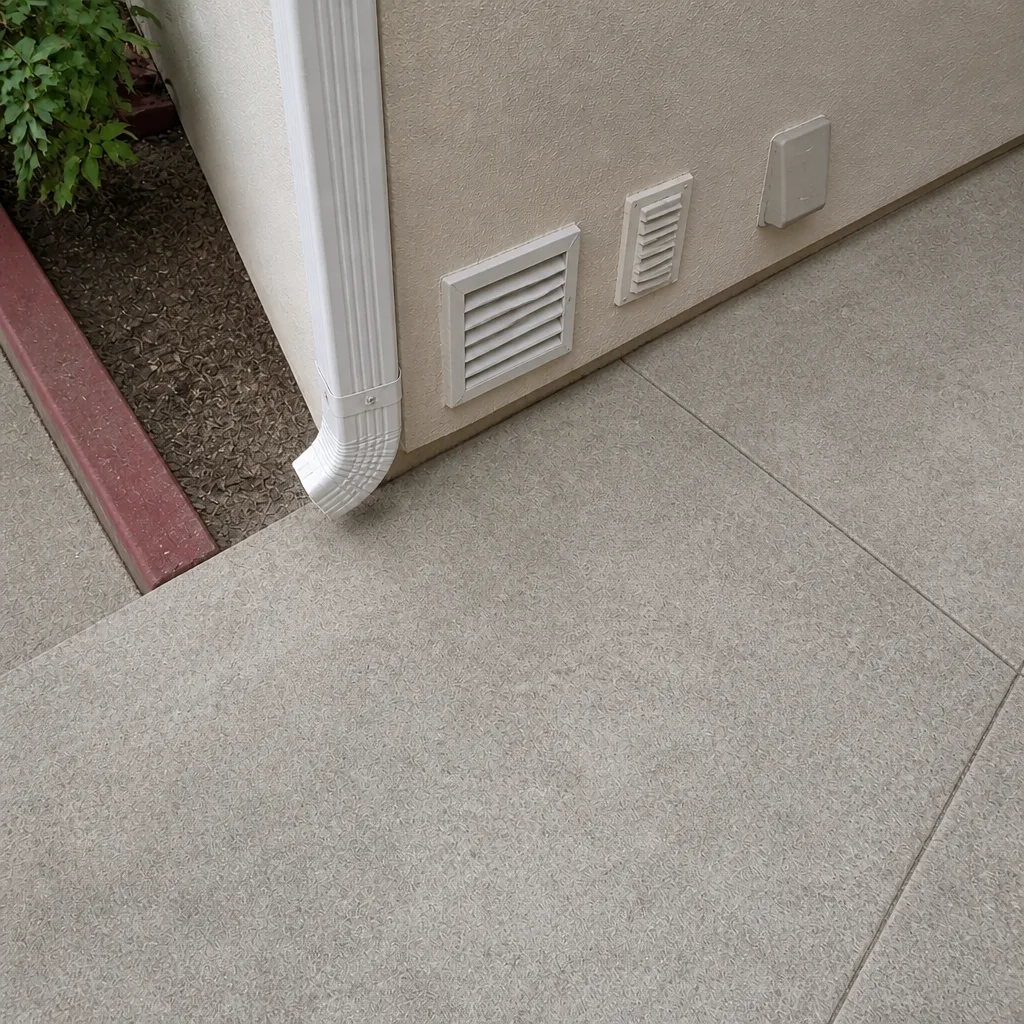 After
When to Call a Professional
Some things are worth trying yourself. Some aren’t. Call a professional if any of these describe your situation: airflow is weak across the whole house, one room never conditions properly despite a clean filter, you hear whistling or rattling that changed recently, odors appear only when the HVAC runs, you’ve recently finished a renovation, or you’ve moved into a home where the duct history is unknown. Those cases point to contamination or mechanical problems that a checklist can’t resolve. The same goes for dryer vent issues – lint buildup in a dryer vent is a documented fire hazard, and professional dryer vent cleaning is a safety service, not a cosmetic one. Westpark Air Duct Cleaning offers free estimates in Westpark. Call (877) 820-9652, and we’ll walk through what you’re seeing and give you an honest read on what it needs.
Frequently Asked Questions
Air duct cleaning in Westpark is priced per system by a free written estimate, so the quote depends on your home’s duct layout and the scope of the job – not a per-vent rate. If the estimate includes duct repair and sealing or a sanitizing treatment, that’s because the inspection found a real cause for it. You get one flat price for the system before work starts, and the written estimate sets the final price. Call (877) 820-9652 for an exact quote – estimates are free.
Cheaper quotes usually mean a narrower scope, not a better deal – often just a register-face vacuum with no containment filtration, no sanitizing step, and no inspection for leaks. Professional cleaning of a whole air pathway with equipment built for the job takes time and costs what it costs. The cheaper job may look the same on the invoice, but the ductwork ends up only partly addressed. Call (877) 820-9652 to talk through what a complete scope looks like for your home.
Ask for before-and-after photos of your own ducts. A reputable provider will show you the registers and the runs they cleaned, and the difference should be visible. We include before-and-after photos as part of every job in Westpark for exactly that reason – you shouldn’t have to take our word for it. Call (877) 820-9652 and ask for the photo documentation up front.
Most homes don’t need it on a fixed calendar – it depends on the home. A household with pets, recent renovations, allergy sufferers or a move-in from an unknown prior owner benefits most, and those conditions are the clearest triggers. If your ducts were cleaned and you’re still noticing symptoms, the problem likely wasn’t contamination, which brings us back to the troubleshooting. Call (877) 820-9652 and we’ll help you decide if you’re actually due.
No. Ducts don’t lose airflow with age by themselves – something changed, whether that’s a loaded blower wheel, a crushed branch line or a separating joint. Weak airflow across the whole house points to a system-wide restriction; weak airflow at one register points to a branch problem. Either way, it’s a diagnostic question, not a maintenance one. Call (877) 820-9652 to get a proper read on it.
A phone camera can confirm a visible fault – a disconnected run right at the register, for example – but it can’t diagnose contamination on the blower or coil, find a leak inside a wall, or read pressure. Anything past the first bend is professional territory. And never put your hand or a tool near the blower while the system runs. Call (877) 820-9652 and we’ll help you sort out what’s DIY-checkable from what needs a technician.
The Bottom Line
Your duct system gives you clear clues – weak airflow pattern, odor timing, whistle location – and those clues point to causes that fall into two families: dirty and leaky. Separate those first, and you’ll avoid the common wasted step of paying for cleaning when the real problem is a collapsed run or a pressure imbalance. Filter changes and register dusting have their limits; the diagnostic work is what finds the cause. Westpark Air Duct Cleaning handles the full picture – cleaning, repair and sealing, sanitizing, and the dryer vent – so the fix matches the problem. Call (877) 820-9652 for a free estimate. We answer 24/7. Fast dispatch from 7am to 7pm, Sunday through Friday. If you want the wider service overview first, start at Westpark Air Duct Cleaning.
Written by the team at Westpark Air Duct Cleaning.