
Last updated November 23, 2026
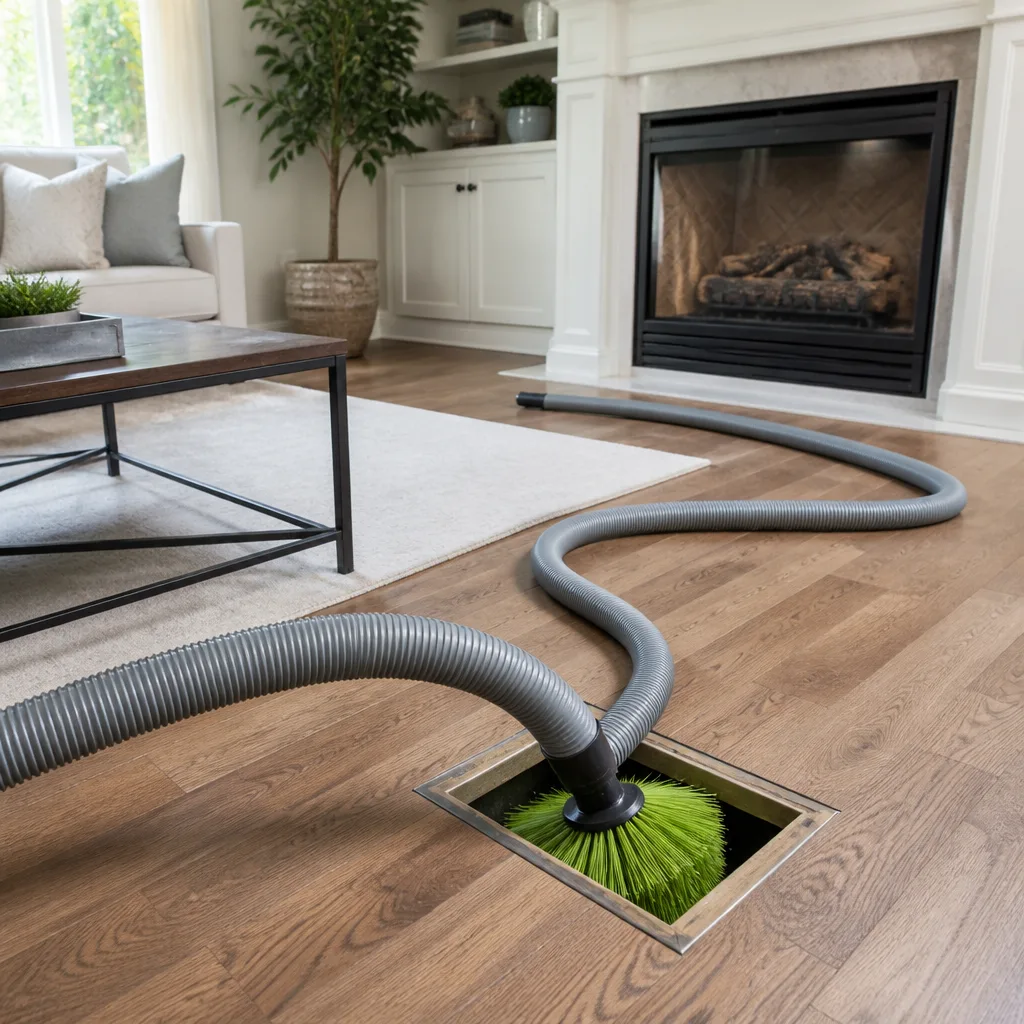 Whole-home duct cleaning
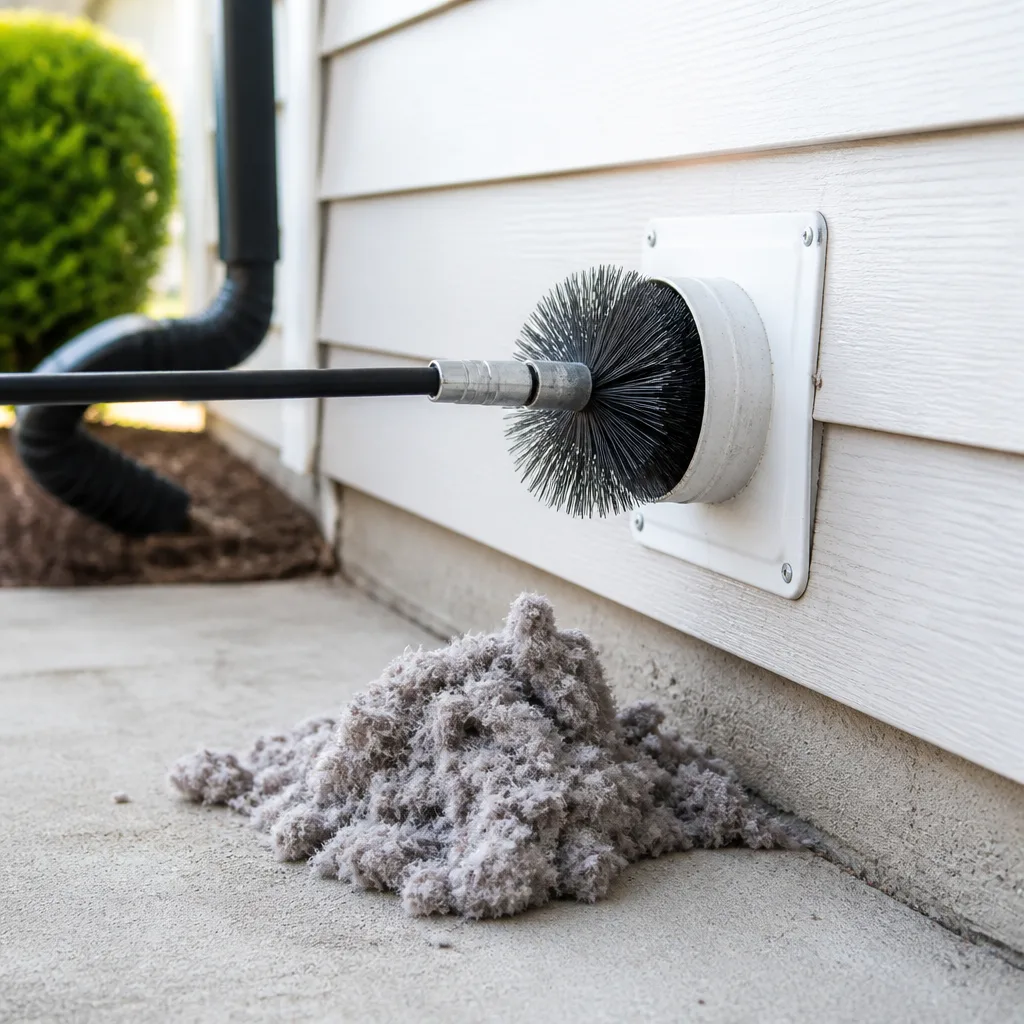 Dryer vent cleaning
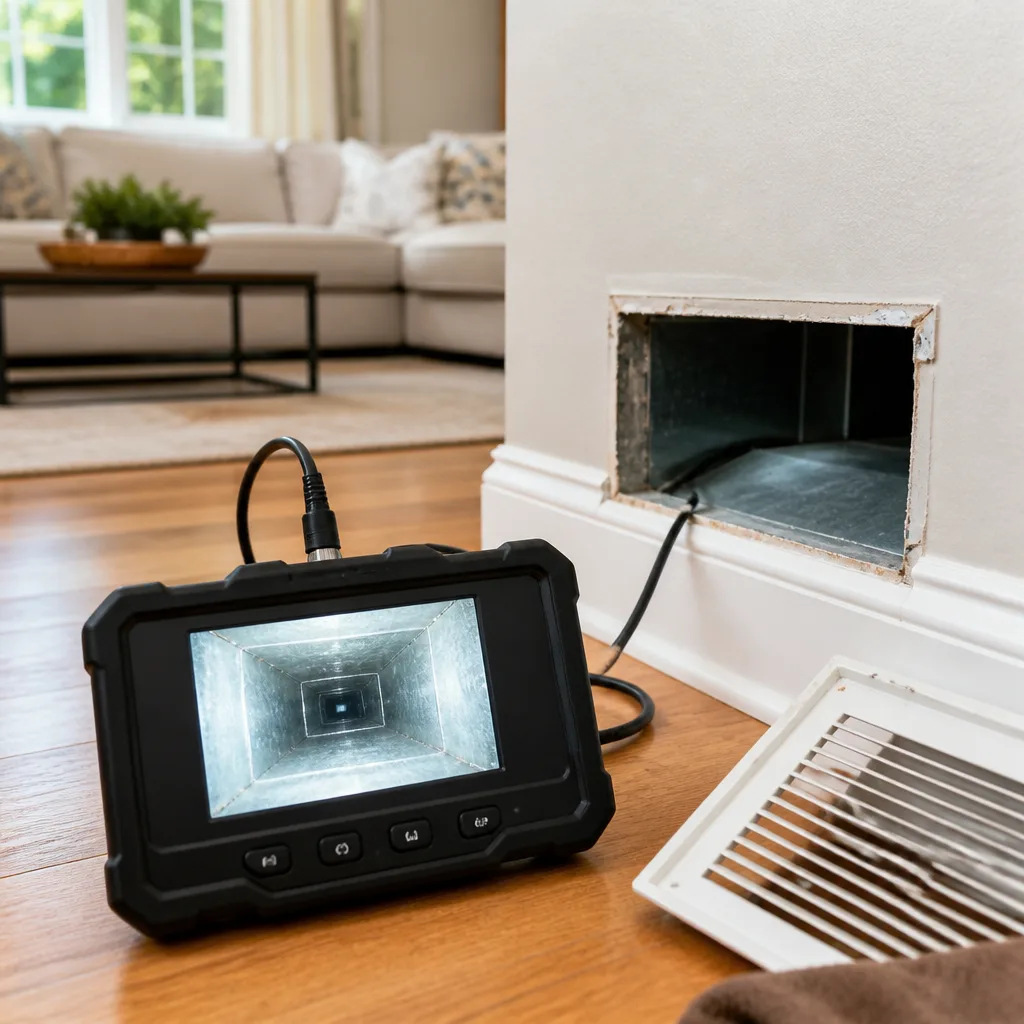 Camera inspection
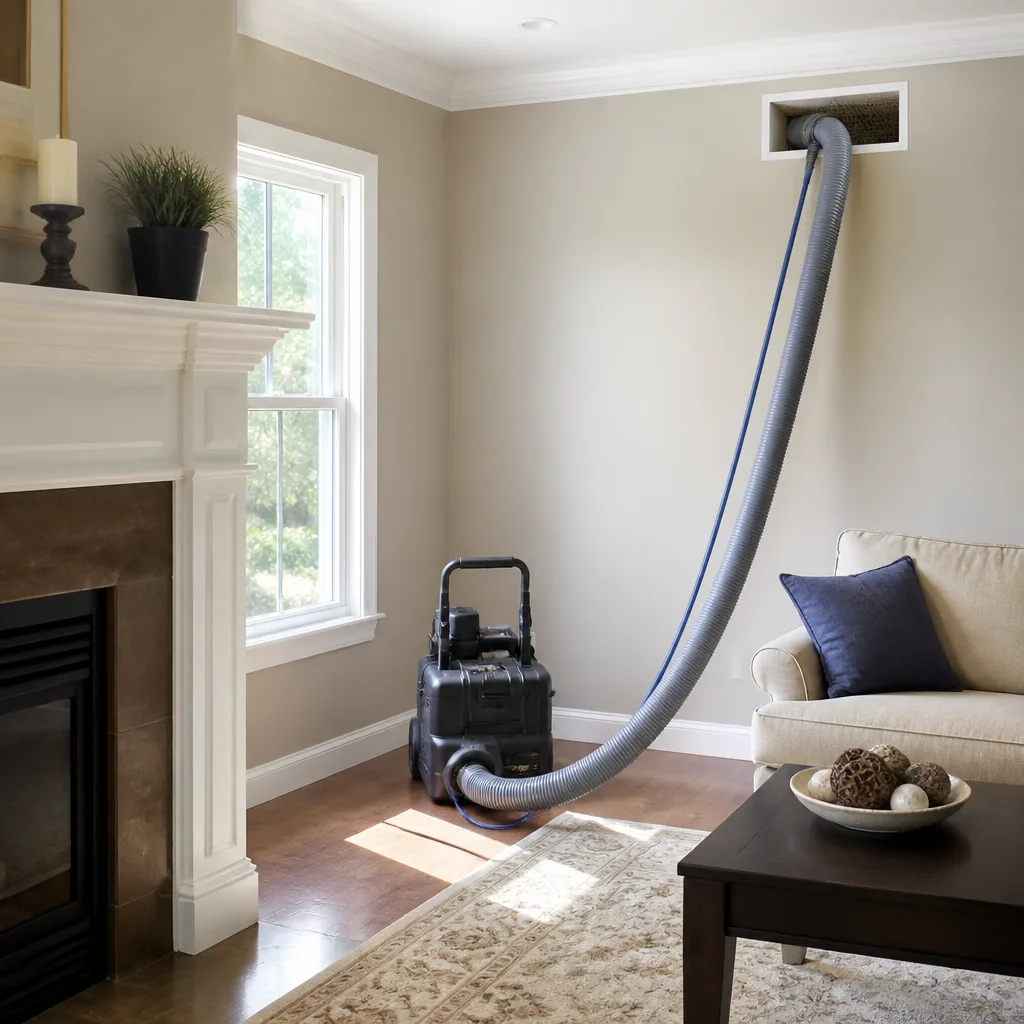 Sanitizing & deodorizing
Whole-system duct and dryer vent check with before-and-after photos - you see exactly what came out of your vents
That "$99 whole-house special" is a bait ad - the real number appears once they are in your hallway, or the "clean" is a shop-vac at the register. We photograph the inside of your ducts before and after instead.
Air Duct Cleaning Permits, Codes & Inspections in Westpark, CA: What You Need to Know
Here’s the part most homeowners get wrong: duct cleaning itself almost never needs a permit in California, but duct sealing and duct repair usually do. That gap matters. A cleaning visit and a mechanical alteration can look identical from the driveway, yet only one of them leaves a paper trail your county expects at resale. The work itself usually isn’t the problem. The problem is nobody flagged which side of the line it landed on. This guide walks through where cleaning ends and regulated mechanical work begins under California’s Title 24 and the California Mechanical Code, what triggers a HERS verification, and how to keep records that hold up when you sell a home in Westpark.
Quick Answer
In Westpark, CA, routine air duct cleaning does not require a building permit, but duct repair, replacement, or sealing with mastic or metal tape generally counts as an alteration to a mechanical system and falls under the California Mechanical Code and Title 24 energy compliance. Sealing work tied to an energy compliance credit may also require HERS verification by a certified rater. Before work starts, confirm in writing which category your job falls into and who is licensed to do it.
Styles & brands we work with
- Whole-home duct cleaning
- Dryer vent cleaning
- Camera inspection
- Sanitizing & deodorizing
Table of Contents
- Cleaning vs. Repair: Where the Permit Line Actually Sits
- How Title 24 and the California Mechanical Code Apply
- When Duct Sealing Triggers a HERS Verification
- C-20 HVAC Contractors and Scope of Work
- Westpark and Fresno County Local Amendments
- Documentation to Retain for Resale Disclosure
- What an Inspection Visit Looks Like
- How to Confirm a Contractor’s Scope Before You Sign
Cleaning vs. Repair: Where the Permit Line Actually Sits
Think of your duct system as a delivery channel and a set of mechanical components. Removing accumulated debris from inside the channel is maintenance. Changing the channel, sealing its joints, or replacing sections of it is a mechanical alteration. California treats those two activities differently, and the difference is defined in the California Mechanical Code (CMC) and referenced in Title 24, Part 6, the state’s energy code.
Here’s the working distinction we explain to homeowners in Westpark:
- Cleaning (no permit): Mechanical agitation and vacuum removal of dust, debris, and settled particulate from the interior of ducts. No material is added, no joints are opened, no sections are cut or replaced.
- Sanitizing (no permit): Applying an antimicrobial treatment to interior duct surfaces after cleaning, using products approved for HVAC use such as Guardsman-grade treatments. This is surface treatment, not mechanical work.
- Repair and replacement (permit territory): Cutting out and replacing duct sections, reconnecting disconnected runs, rebuilding plenum connections at the air handler, or replacing flexible duct with rigid duct.
- Sealing (permit territory, with nuance): Applying mastic, metal tape, or aerosol sealant to duct joints. This adds material and changes the system’s measured leakage, which is where Title 24 compliance enters.
- Filter and register work (no permit): Swapping return air filters, cleaning registers, or installing air quality products at the filter cabinet.
The reason this matters in Westpark specifically is housing stock. Much of the newer construction on this side of the valley was built with ducts running through unconditionally hot attic spaces, where flexible duct is common and joints are numerous. A duct run with twenty joints has twenty potential leak points, and the temptation to seal all of them in one afternoon is real. The moment a technician starts wrapping those joints in mastic, the job has moved from maintenance into mechanical alteration. That’s not a reason to avoid sealing. It’s a reason to know which job you’re buying.
Our own approach is to separate the two in the estimate. When we perform air duct cleaning, the scope stays inside the channel. When a customer needs joints sealed or runs replaced, we say so explicitly and explain what the governing code expects, so nobody discovers the distinction later.
How Title 24 and the California Mechanical Code Apply
Title 24, Part 6 is the energy code. It sets requirements for how a home’s energy systems perform, including duct systems. The CMC, which is Part 2 of Title 24, sets the construction standards. Together they cover two things relevant to duct work: that a duct system be installed and altered to defined leakage limits, and that alterations be documented when compliance credit is claimed.
For a homeowner in Westpark, the practical takeaways are simpler than the code book:
- Duct systems have a leakage limit. Title 24 establishes that duct systems serving conditioned space must meet specified leakage thresholds. When a contractor alters the system, the altered system needs to meet those thresholds too.
- Alterations to mechanical systems require a permit. Replacing or substantially repairing ductwork is a mechanical alteration. Your local building department issues that permit, not the state.
- Permitted work gets inspected. A permitted duct alteration typically receives a building inspection to confirm the work matches the approved scope and meets code.
- Compliance documentation may be required. Where energy compliance credit is claimed for duct sealing or duct insulation, the compliance documentation must reflect the work performed.
- Replacements follow the same rule. A run of flexible duct swapped for rigid duct is a replacement. A section cut out and patched is a repair. Both are alterations.
What we’ve found is that the confusion usually isn’t about the code’s content. It’s about whether a contractor’s visit even touched it. A cleaning crew that never cuts a duct never triggers the CMC. A crew that seals joints may have, and the homeowner has no way to know unless the scope was written down. That’s why we put the mechanical scope in writing before any work begins, and why we treat HVAC cleaning as a separate line item from sealing and repair.
One clarification on interpretation: local building departments apply these rules, and their expectations can vary at the margins. If you’re uncertain whether your specific job needs a permit, a short call to Fresno County’s building department settles it faster than any general guide, including this one.
When Duct Sealing Triggers a HERS Verification
HERS stands for Home Energy Rating System. It’s a third-party verification framework in California, and it exists so that energy compliance claims are confirmed by someone other than the contractor who made them. Duct sealing is one of the work categories where a HERS verification can be required.
When does it apply? The general pattern is this: if duct sealing is performed as part of a permitted alteration where energy compliance credit is claimed for the sealing, a certified HERS rater verifies the result. The rater tests duct leakage after the work is complete. The verification is documented and becomes part of the compliance record for the property.
Three scenarios where this is most likely to surface in Westpark:
- An HVAC system replacement. When the air handler or condenser is replaced under permit, the duct system often has to meet leakage requirements, and sealing may become part of the scope with HERS verification attached.
- A whole-home energy upgrade. Any project claiming duct-related energy credit as part of an efficiency package will route through HERS.
- A permitted major duct alteration. Substantial duct replacement in a system with measurable leakage can pull a verification requirement with it.
Where it does not typically apply: cleaning alone, sanitizing alone, or sealing done as voluntary maintenance without a permit or a claimed compliance credit. In those cases there’s no compliance claim for a rater to verify.
One genuine tension exists here. A homeowner who seals ducts purely to stop energy loss may not need a HERS verification, but may still have performed a mechanical alteration that required a permit. The verification requirement and the permit requirement are two different questions. Don’t let one answer stand in for the other.
If you’re considering duct sealing, ask the contractor three direct questions: Does this job require a permit? Does it require a HERS verification? If yes, who schedules the rater and who pays for it? A contractor who can’t answer those three questions cleanly hasn’t done the compliance homework.
C-20 HVAC Contractors and Scope of Work
California licenses contractors through the Contractors State License Board. The classification relevant to duct work is C-20, Warm-Air Heating, Ventilating and Air-Conditioning. A C-20 contractor is licensed to perform HVAC work, including duct system alterations, within the limits of their license.
What a C-20 license does not cover: it does not authorize a general cleaning company to perform mechanical alterations on a duct system. Cleaning and sanitizing don’t require a C-20 in most cases because they aren’t mechanical alterations. Cutting, replacing, and sealing do.
The practical question for a homeowner in Westpark is scope. Here’s how to check it:
- Read the written scope. Does it say “clean and sanitize” only, or does it include “seal joints,” “replace duct section,” or “rebuild plenum connection”?
- Match scope to license. If the scope includes mechanical alteration, ask for the contractor’s CSLB license number and classification. Verify it on the CSLB website before signing.
- Confirm who actually performs the work. A cleaning company can do the cleaning. If the same visit includes mechanical work, the license question applies to whoever performs that work.
- Ask about the permit. A C-20 contractor performing a permitted alteration should be able to tell you which department issues the permit and what the inspection process looks like.
- Get the scope in writing before work starts. Verbal scope descriptions are where the confusion lives.
We keep our cleaning and sanitizing work clearly separated from mechanical alteration because the two land in different regulatory categories. Our technicians have up to 12 years of experience, and part of that experience is knowing when to stop and say “this portion is mechanical work.” When the job needs a C-20 contractor, we tell the homeowner rather than absorbing the work under a cleaning invoice.
Westpark and Fresno County Local Amendments
California’s building codes are the state baseline. Local jurisdictions adopt them with amendments, and those amendments can add requirements or tighten thresholds. Fresno County, like most California counties, adopts the state codes with its own local amendments, and unincorporated areas may operate under a different set of amendments than incorporated cities.
For Westpark specifically, the questions worth asking are:
- Which jurisdiction issues the mechanical permit for this address – the county or a city?
- Does the local amendment package modify Title 24 duct leakage requirements or the inspection process for duct alterations?
- Are there local amendments affecting HERS verification scope?
- Does the building department require a specific compliance form or documentation set at final inspection?
We won’t claim to know every local amendment at every address in Westpark, and neither should any contractor who hasn’t checked. Local amendments change, and a guide can’t keep up with each update. What we can say is that the governing department for your address is the one to ask. A two-minute call to the building department, with your address in hand, answers the question directly.
One point that’s stable and worth relying on: cleaning doesn’t need a permit under any California amendment we’re aware of. It’s the alteration work where local amendments can change the picture.
Documentation to Retain for Resale Disclosure
Here’s the piece that actually costs homeowners money down the line. Whether or not your duct work required a permit, the next buyer will ask. Disclosure laws in California require sellers to disclose known material facts about the property, and unpermitted mechanical work is a material fact. Having documentation ready keeps a routine sale from becoming a negotiation.
The documentation set to retain:
- The written scope of work from the contractor, showing exactly what was performed.
- Before-and-after photos of the duct interior. Westpark Air Duct Cleaning provides photos of the customer’s own ducts as part of the standard service, which is the most direct evidence that the work was done.
- The permit number and inspection record, if a permit was pulled. Keep the final inspection sign-off with your home records.
- HERS verification documentation, if a rater was involved. This is a separate document from the permit and should be filed alongside it.
- The contractor’s license number and classification, recorded on the invoice or estimate.
- The invoice showing the date and address of service. Basic, but the first thing a buyer’s agent asks for.
For resale disclosure purposes, the documentation set answers three questions: what was done, who did it, and was it inspected. If all three are covered, the sale process moves cleanly. If none of them is covered, a buyer’s inspector may flag the work and the negotiation resets.
We recommend keeping digital copies. A phone photo of a paper invoice in a cloud folder beats a filing cabinet when you’re three weeks from closing.
What an Inspection Visit Looks Like
A duct inspection is a different visit from a duct cleaning. Cleaning addresses debris. Inspection addresses system integrity and code compliance. Knowing which visit you’ve scheduled keeps expectations aligned.
A typical inspection covers:
- Access and visual review. The technician opens access points and inspects duct runs for disconnected sections, crushed flexible duct, and damaged joints.
- Airflow measurement. Airflow and static pressure readings across the system indicate whether the duct network is delivering the intended volume.
- Leakage assessment. Where required, a duct leakage test measures how much air escapes the system against the code’s threshold.
- Mechanical component review. The air handler, blower, and connections are checked for condition.
- Documentation. Findings are recorded and, if a permit is open, submitted to the building department for the official inspection.
What inspection isn’t: a cleaning. An inspector who measures leakage is not removing debris, and a cleaner who removes debris is not measuring leakage. If a contractor offers to do both in one visit without distinguishing the scope, ask which category the visit falls under. If the visit is a permitted alteration inspection, the building department is the party that signs off, not the contractor alone. On a permitted job, the county’s inspection is the authoritative one.
Westpark’s climate plays in here. The long, dry, hot season puts continuous stress on duct joints through thermal expansion, and the dust load is real. An inspection that only measures airflow misses joint integrity, and an inspection that only measures leakage misses the visual condition of the duct runs. Both matter, and neither replaces a cleaning when the system is loaded with debris.
How to Confirm a Contractor’s Scope Before You Sign
The single most effective step in avoiding the permit problem is asking for a written scope. Verbal scope descriptions are where the cleaning-versus-alteration line gets blurred, and the homeowner bears the consequence at resale.
Questions to ask before signing:
- Does this scope include any duct cutting, replacement, or sealing?
- If sealing is included, will the work require a permit, and who pulls it?
- If a HERS verification applies, who schedules the rater and who pays?
- Who is licensed to perform the mechanical portion, and what is the license classification?
- Will you provide before-and-after photos of my own ducts?
- What documentation will I receive at the end of the job?
- Is the price a flat rate for the full scope, or itemized per unit?
Two of those questions deserve emphasis. The photo question separates contractors who show their work from contractors who ask you to take it on faith. The documentation question separates a job that will hold up at resale from one that won’t.
Our own service runs on professional-grade equipment – Rotobrush rotary-brush systems and Nikro HVAC vacuum equipment, with Abatement Technologies air filtration used on-site during the cleaning to capture dislodged contaminants rather than redistributing them. That’s the cleaning portion. For dryer vent cleaning, we treat the visit as a fire-safety service and document it accordingly. For the mechanical portion, the C-20 question gets asked directly, and the answer goes into the written scope.
Common Mistakes to Avoid
- Assuming cleaning and sealing are the same job. They’re not, and the permit distinction sits between them. Read the scope before signing.
- Accepting a verbal scope. If the scope isn’t written, the permit question can’t be answered. Get it in writing on the estimate.
- Skipping the photo record. Without before-and-after photos, you can’t show a future buyer what was done or how much debris was removed.
- Confusing a HERS verification with a permit. They’re two separate requirements. Satisfying one doesn’t satisfy the other, and both may apply.
- Overlooking local amendments. Fresno County’s amendments can differ from the state baseline. Confirm at the building department level for your address, not the state level.
- Not asking about the air quality products being installed. Honeywell and Aprilaire products installed at the filter cabinet should be documented as part of the scope, with the model and function recorded on the invoice.
- Filing paperwork nowhere. A permit record in a contractor’s file does no good at resale. Keep everything in your own records.
See the difference
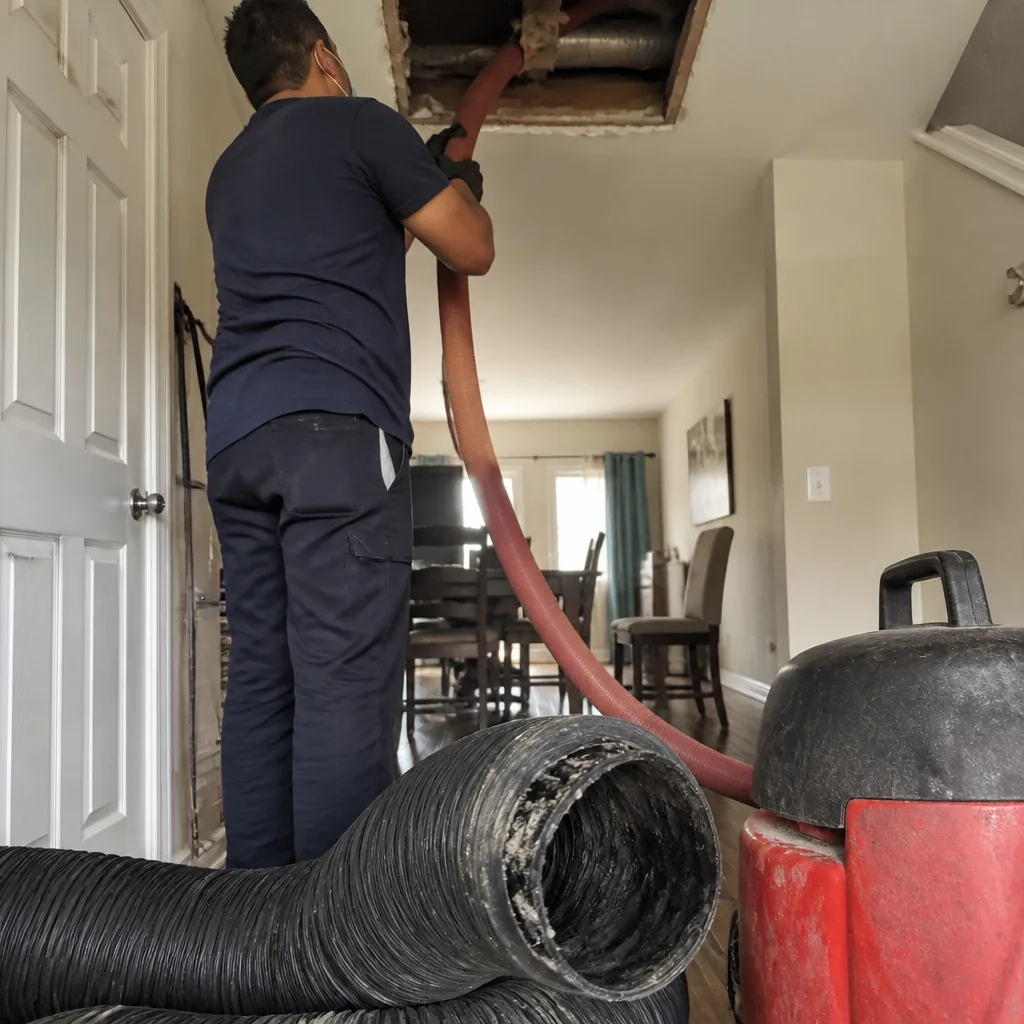 Before
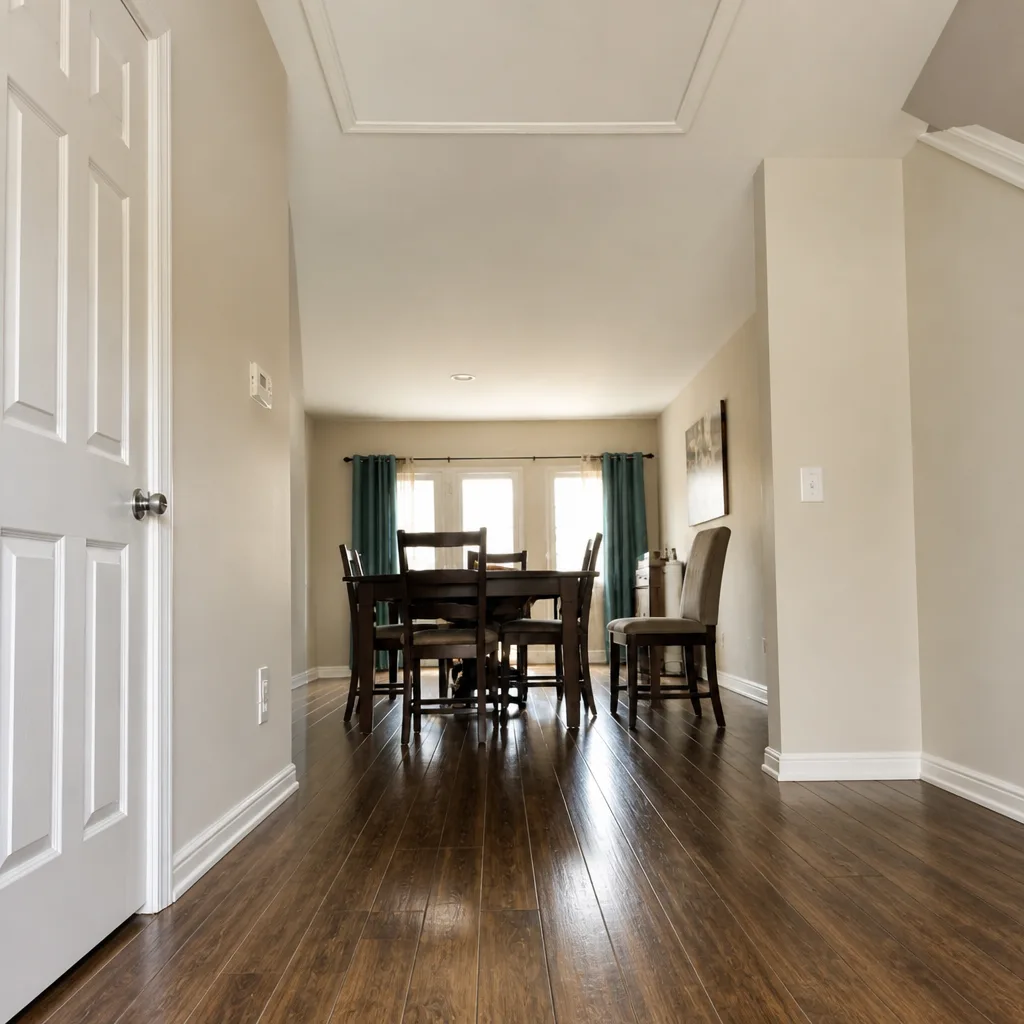 After
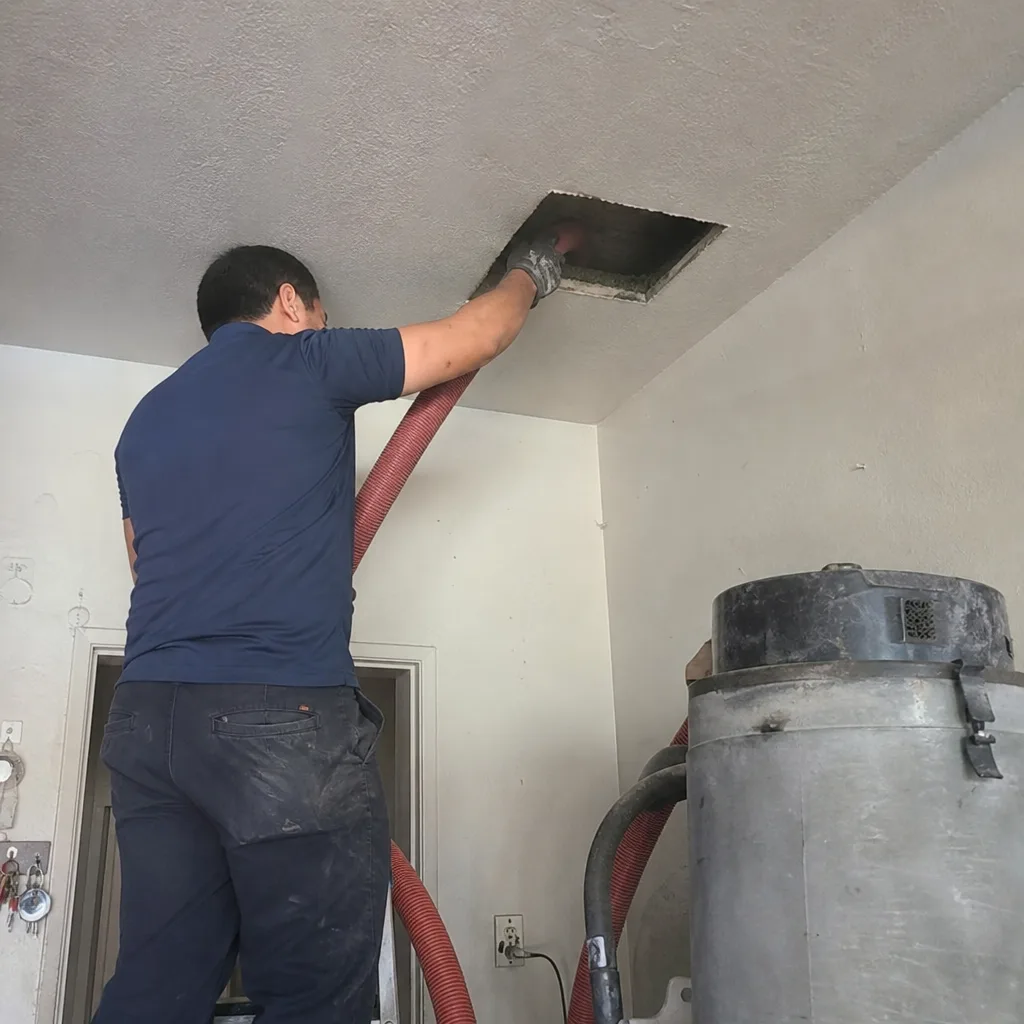 Before
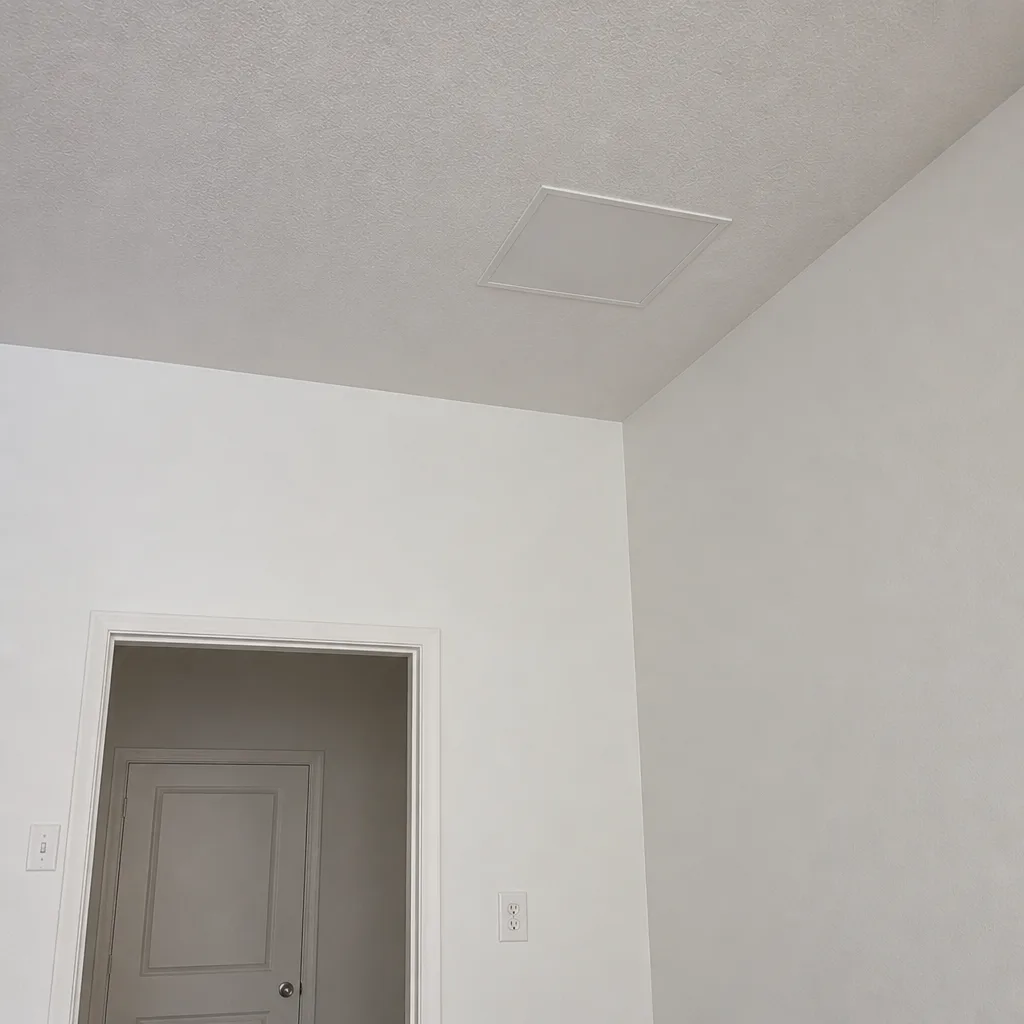 After
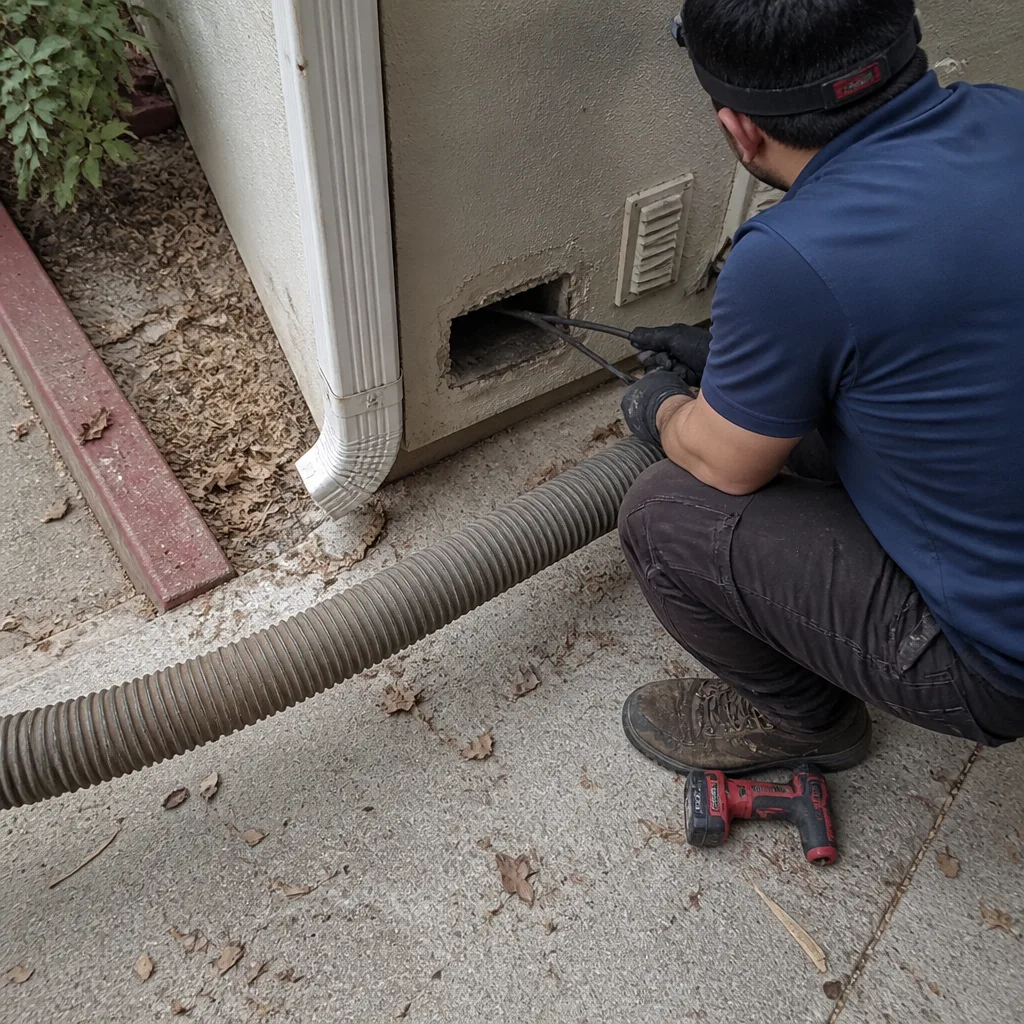 Before
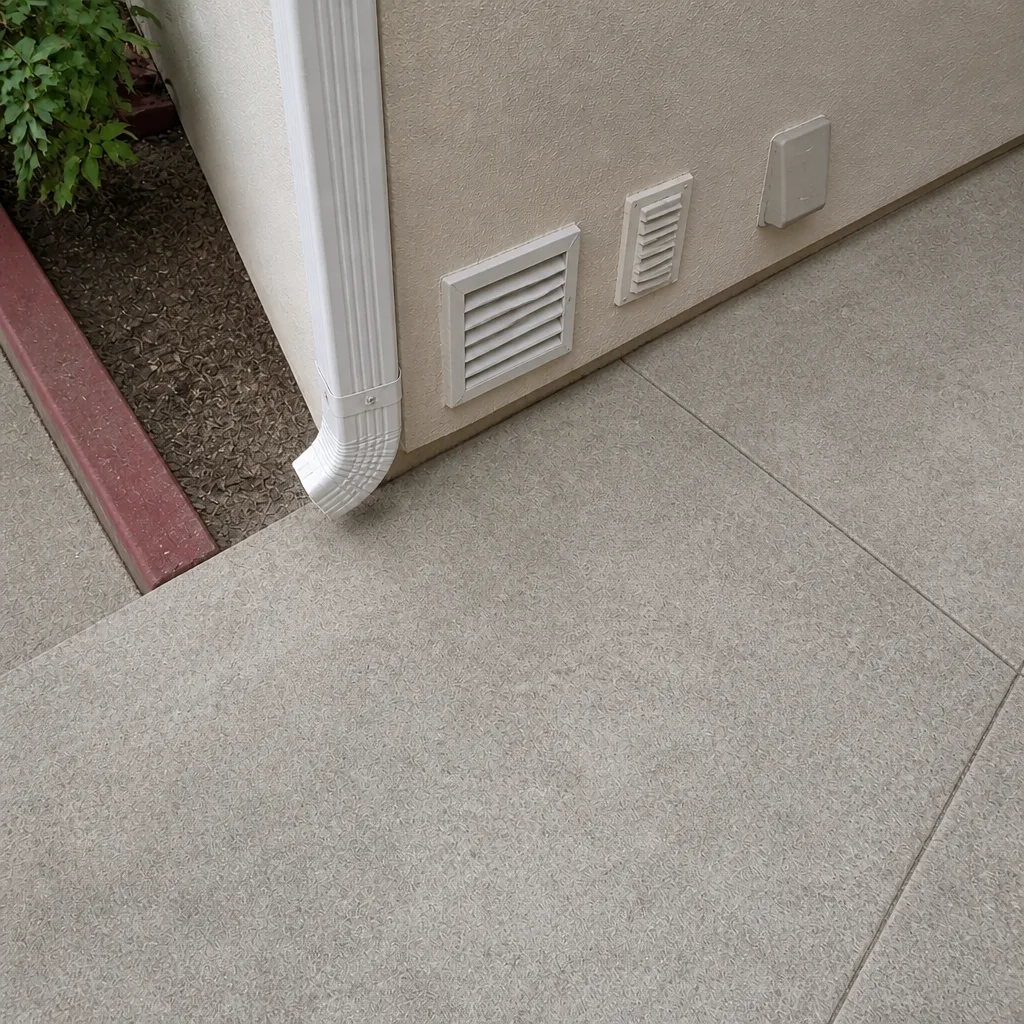 After
When to Call a Professional
Call a professional when the duct system is visibly damaged (crushed flex duct, disconnected runs, or torn insulation), when the system has never been cleaned and airflow at the registers feels weak, or when you’re preparing to sell a home and need to know whether prior duct work was documented. Also call when the scope includes sealing or replacement, because that’s where the C-20 license question and the permit question both apply and getting them wrong creates the resale problem this whole guide is about. Westpark Air Duct Cleaning offers free estimates in Westpark – call (877) 820-9652. We answer 24/7. Fast dispatch from 7am to 7pm, Sunday through Friday. Our technicians have up to 12 years of experience, and the estimate is free with the price set per job by the written estimate.
Frequently Asked Questions
No, routine air duct cleaning does not require a building permit in Westpark or anywhere in California. Cleaning is maintenance, not a mechanical alteration, so it doesn’t trigger the California Mechanical Code or Title 24 compliance requirements. Call (877) 820-9652 for an exact quote – estimates are free.
Duct sealing generally counts as a mechanical alteration, which falls under the California Mechanical Code and Title 24, and alterations usually require a permit from the local building department. The exact requirement depends on the scope of work and any local amendments at your address. Confirm with Fresno County’s building department, and call (877) 820-9652 with the scope so we can tell you which category it lands in.
A HERS verification is a third-party confirmation of energy compliance, performed by a certified rater. Duct work triggers one when duct sealing is performed as part of a permitted alteration where energy compliance credit is claimed for the sealing. Cleaning alone does not trigger a HERS verification. Call (877) 820-9652 if you want to know whether your specific scope would.
Cleaning removes debris from inside the duct system; inspection assesses system integrity, airflow, and leakage against code requirements. They’re separate visits serving different purposes. If a permit is open, the building department inspects the alteration independently of any cleaning work. Call (877) 820-9652 for an exact quote on either.
Keep the written scope, before-and-after photos of your own ducts, any permit number and final inspection record, HERS verification documentation if applicable, the contractor’s license classification, and the invoice. California resale disclosure requires you to disclose material facts about the property, and unpermitted or undocumented mechanical work is exactly that. Call (877) 820-9652 and we can walk through what your documentation should include.
Cheap quotes usually price a partial scope – one tool, surface vacuuming, no documentation, and no written distinction between cleaning and alteration. The low price reflects the smaller scope, not a better deal. Our scope is a flat price per system agreed before work starts, with before-and-after photos of your own ducts and professional equipment from Rotobrush and Nikro. Call (877) 820-9652 for an exact quote – estimates are free.
The Bottom Line
Duct cleaning itself doesn’t need a permit in California. Duct repair, replacement, and most sealing do. The permit sits under the California Mechanical Code and Title 24, HERS verification attaches when sealing claims energy compliance credit, and the C-20 license applies to whoever performs the mechanical work. Local amendments in Fresno County can modify the baseline, so the building department for your Westpark address is the definitive source. The resale paperwork matters as much as the work: written scope, before-and-after photos, permit record, HERS documentation, license classification, invoice. Keep all of it. Whether your next step is cleaning, sealing, or a full air quality upgrade, Westpark Air Duct Cleaning can work through the scope with you.
If you want a straight answer on which category your job falls into, call Westpark Air Duct Cleaning at (877) 820-9652 for a free estimate. We answer 24/7. Fast dispatch from 7am to 7pm, Sunday through Friday. The price is set per job by the written estimate, agreed before work starts.
Written by the team at Westpark Air Duct Cleaning.