
Last updated November 23, 2026
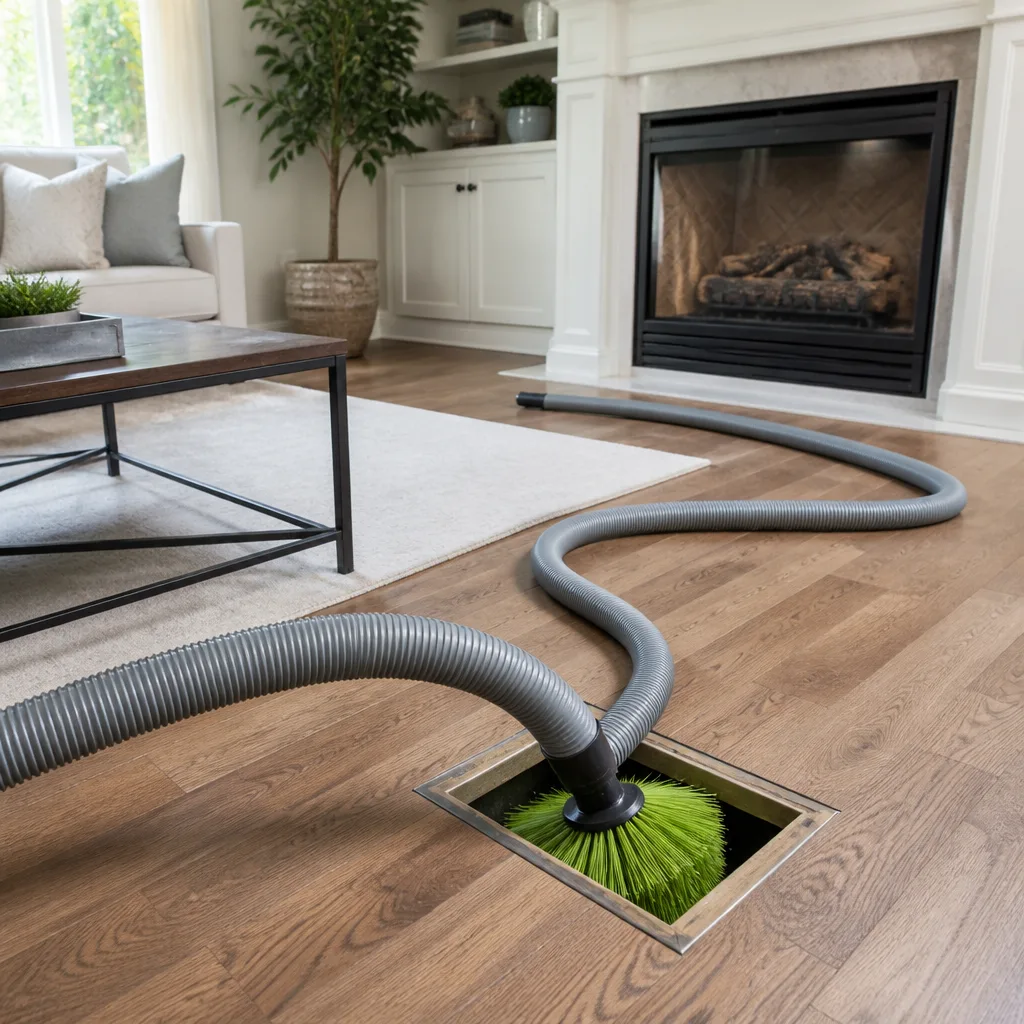 Whole-home duct cleaning
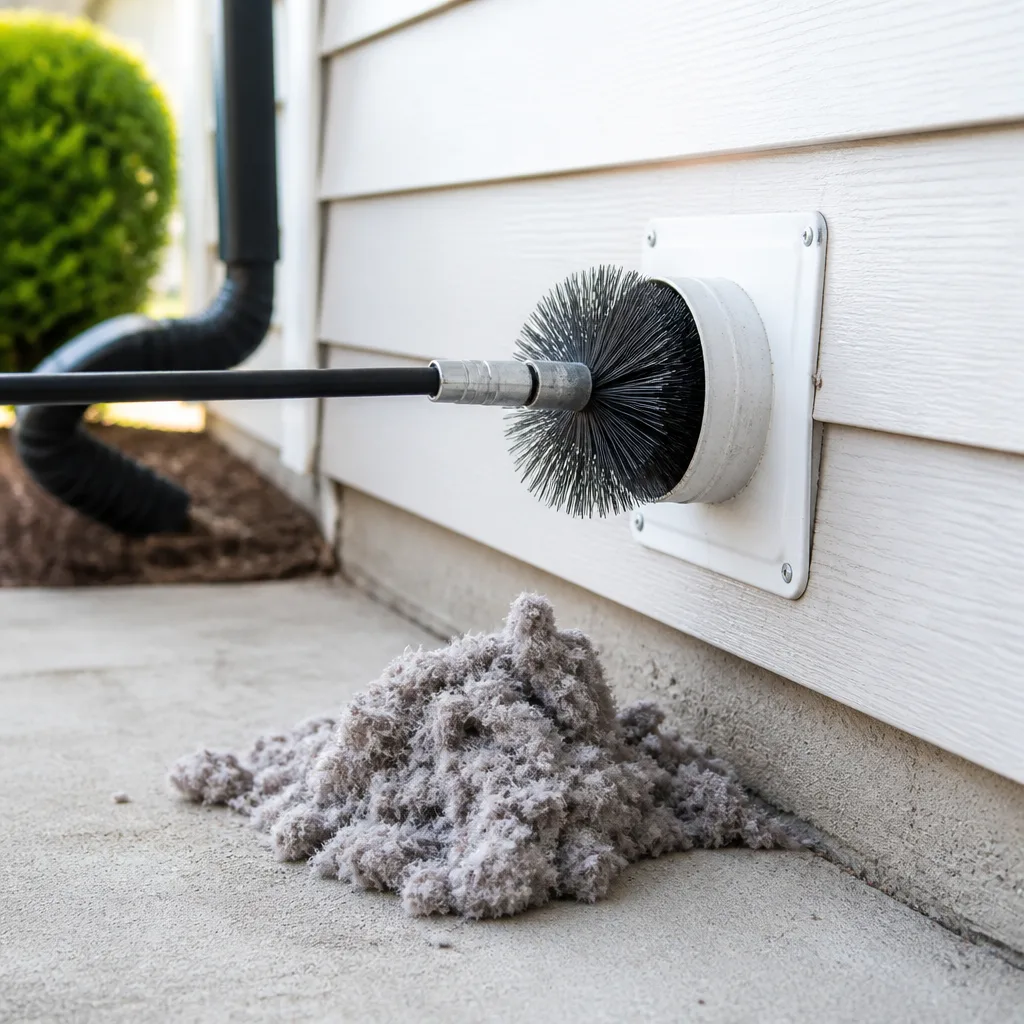 Dryer vent cleaning
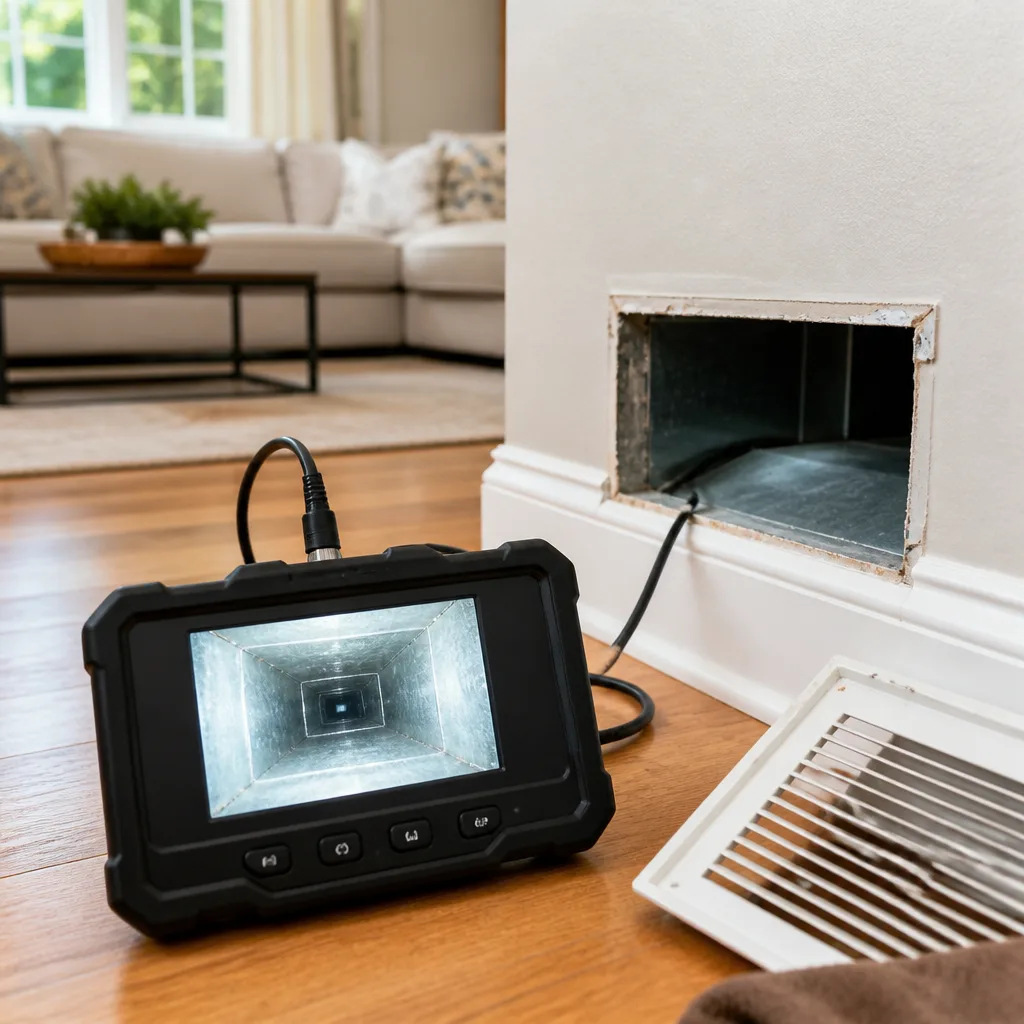 Camera inspection
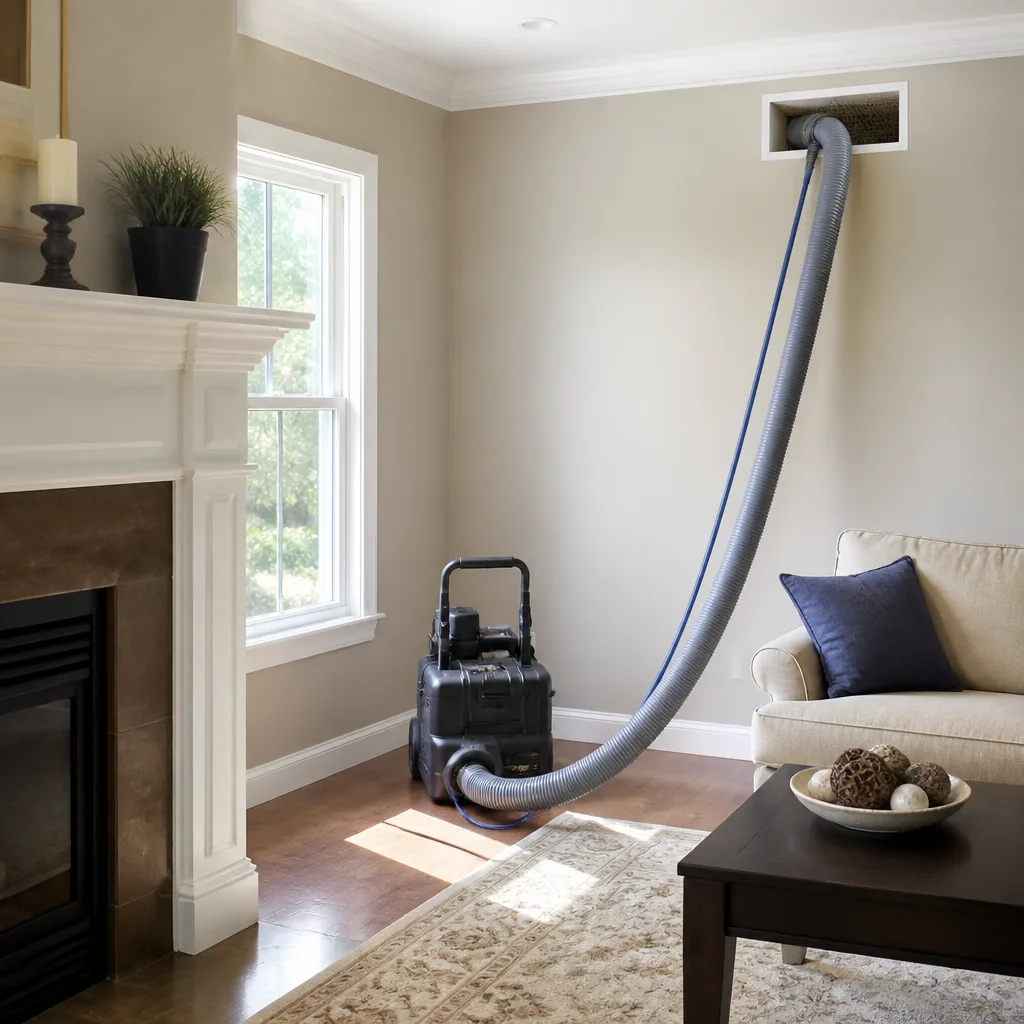 Sanitizing & deodorizing
Whole-system duct and dryer vent check with before-and-after photos - you see exactly what came out of your vents
That "$99 whole-house special" is a bait ad - the real number appears once they are in your hallway, or the "clean" is a shop-vac at the register. We photograph the inside of your ducts before and after instead.
Air Duct Cleaning Maintenance Schedule: What to Do and When
Most homeowners have heard the same number so many times it sounds like a rule of nature: clean your air ducts every three to five years. But that figure comes from a general recommendation, not a measurement of your house. A home with two shedding dogs, a recent kitchen remodel, and a furnace that runs hard through cool Westpark winters accumulates debris far faster than an empty condo that sits sealed all year. Two households on the same street, same duct material, same square footage, can be on completely different schedules. This guide replaces the calendar-only approach with a condition-based schedule you can actually follow: what to check monthly, what to check seasonally, what triggers an early cleaning, and when an inspection alone is the right call. All of it from the team at Westpark Air Duct Cleaning.
Quick Answer
There’s no single “right” interval for air duct cleaning. A standard schedule is every three to five years, but you should move that up to every two years (or sooner) if you have pets, allergies, recent renovations, or heavy HVAC use. Any flood, rodent problem, or HVAC replacement overrides the calendar entirely and calls for an inspection right away.
Styles & brands we work with
- Whole-home duct cleaning
- Dryer vent cleaning
- Camera inspection
- Sanitizing & deodorizing
Table of Contents
- Why the 3-to-5-Year Guideline Is Only a Starting Point
- The Four Conditions That Compress a Standard Schedule
- What to Check Monthly, Seasonally, and Annually
- Using Filter Loading Speed as a Contamination Signal
- Post-Event Triggers That Override Any Calendar
- Inspection vs. Full Cleaning: When Each One Is Right
- Building Your Own Westpark Schedule
Why the 3-to-5-Year Guideline Is Only a Starting Point
The three-to-five-year interval is a reasonable default, but it’s a default, not a diagnosis. It emerged from general guidance about residential duct systems and assumes an average household with average occupancy and average use. Nobody’s house is average. The number is useful as a starting anchor and useless as a fixed rule.
Here’s the honest version: what really determines how dirty your ducts get is the volume and type of particulate that passes through your system, multiplied by the hours your air handler runs. A household with no pets, no carpet, filtered windows, and a mild climate runs low particulate through the system and can stretch toward five years. A household with three cats and a toddler who tracks in dust from the yard every afternoon is looking at a two-year cycle if they want to stay ahead of it.
In our experience at Westpark Air Duct Cleaning, the homes that wait past their real interval tend to be the ones who thought the calendar was the rule. They’re also the ones who call us when the vents are visibly dusty and the air smells stale. Once you understand that contamination is a function of conditions rather than simple passage of time, scheduling becomes a lot less arbitrary.
Two other things shift the math. First, HVAC run-time matters more than people assume. A system that heats and cools almost year-round moves far more air than one that sits idle in mild months. Second, leaks and unsealed joints make everything worse. A system that draws attic air, garage air, or crawlspace air into the return is depositing outdoor and building debris into your ducts on every cycle. That’s why air duct cleaning and duct repair belong together rather than on separate schedules.
The Four Conditions That Compress a Standard Schedule
Think of the base three-to-five-year interval as your starting point. Then apply multipliers. Any one of these conditions moves you one step sooner. Two or more conditions mean you should be on the aggressive end of the range, often every eighteen months to two years.
- Shedding pets. Fur and dander cycle continuously through the return. One dog or two cats can easily double the load reaching the duct walls compared to a pet-free home. We find that pet owners who clean on a two-year cycle see meaningfully less buildup at the second-year inspection than those who stretched to four.
- Recent renovation. Drywall dust, sawdust, insulation fibers, and construction grit are the worst offenders because they’re heavy and settle in the main trunk lines. Cleaning within the first month after a significant remodel is almost always warranted, regardless of when you last cleaned. And if a renovation is planned for the next year, cleaning before it starts helps too, so you measure what the renovation actually contributed.
- Wildfire smoke events and outdoor air quality. If your area sees an extended smoke event or a sustained high-particulate summer, your filter is capturing some of it and your ducts are capturing the rest. After one significant smoke episode, add an inspection to the calendar. After two or more over a season, consider moving up your next cleaning by six to twelve months.
- Heavy HVAC run-time. Long heating seasons, high cooling demand, or a system that runs nearly continuously because of poor insulation or an undersized return all accelerate contamination. More hours means more airborne debris settling inside the duct walls.
We mention all four of these together because they compound. You don’t average them. A home with pets, a recent remodel, and long HVAC hours isn’t on a two-year schedule; it might warrant inspection at eighteen months. That’s exactly what a tiered schedule is for.
What to Check Monthly, Seasonally, and Annually
A maintenance schedule only works if it lives outside the calendar for a professional cleaning. Here’s what the homeowner side of the checklist looks like: brief monthly checks, a slightly longer seasonal review, and one annual review before the heaviest season of the year.
Monthly checks (five minutes)
- Inspect the filter. Hold it up to the light. If light doesn’t pass through cleanly, replace it. Note how often you’re changing it; that frequency is a data point about your system.
- Look at the return and supply grilles. A fine layer of dust is normal. Fuzz, matted dust, or visible clumps are not.
- Check for any new whistling or airflow noise at a vent. Unusual noise often signals a leak or a blockage.
- Sniff the air at a supply vent. Damp, musty, or “old house” odors point to moisture or microbial growth and warrant an inspection.
- Look for dust streaks around duct joints, especially in the attic or crawlspace if you have access.
Seasonal checks (each season change)
- Walk every room and confirm all supply and return vents are open and unobstructed.
- Look inside accessible flex duct or trunks with a flashlight. Settled dust, debris, or pest evidence means inspection time.
- Confirm the drainage pan and any nearby humidifier are dry and clean.
- Check the outdoor condenser and the immediate area around the air handler for debris.
- If you have a newer “smart” thermostat, review your run-time report. A jump from typical hours to nearly-continuous indicates a filter, duct, or equipment problem.
Annual review
Once a year, sit down with your filter change log and your thermostat run-time data. Ask three questions: how often did I change the filter, how many hours did the system run, and did I have any major events (remodel, flood, rodents, smoke)? Those three answers tell you whether you’re early, on time, or overdue for a professional cleaning. If any answer surprises you, it’s worth an inspection.
Using Filter Loading Speed as a Contamination Signal
The single most useful home-maintenance signal you have without opening a duct is how fast your filter loads. The filter sits right at the boundary between the return air and the equipment, so its loading rate reflects both what is in your air and what is moving through your system.
Here’s the practical rule:
- Filter loading on the normal schedule you’ve always used. Your ducts are likely on a standard interval.
- Filter loading noticeably faster than a year ago without a change in pets, occupancy, or construction. Something changed. Suspect a leak pulling unfiltered air into the system, a bypass around the filter rack, or a newly developed source of particulate.
- Filter loading very quickly, with matted gray dust at the grilles. This is a strong signal that the ducts themselves are saturated and shedding. Cleaning is overdue.
- Filter loading slowly or not at all, with weak airflow. The airflow problem isn’t a dirty filter. Get the system inspected for duct collapse, disconnected flex, or equipment issues.
Keep a small notepad or a note on your phone with the dates you change the filter. After six months you’ll have a real trend rather than a guess. When you do call us at Westpark Air Duct Cleaning for a professional visit, that log is genuinely useful; it tells us nearly as much about the duct system as a quick look inside does.
Post-Event Triggers That Override Any Calendar
Some events reset your schedule entirely. These aren’t slow drifts; they’re immediate reasons to book an inspection regardless of when you last cleaned.
- Water intrusion or flooding. Any water that reaches the duct system, the air handler, or nearby insulation creates a moisture problem, and moisture is what allows microbial growth to establish inside a duct. Get an inspection and, if needed, a sanitizing treatment. Guardsman-grade treatment products are what we use in that context because they provide documented antimicrobial protection rather than just a cosmetic wipe-down.
- Rodent activity. Mice and rats use duct runs as highways and nesting sites. If you’ve had an infestation or found droppings near the HVAC equipment, cleaning and sanitizing is essentially mandatory. Do this after pest control has confirmed the problem is resolved, not before.
- HVAC equipment replacement. When a furnace, air handler, or AC system is replaced, the installer often exposes internal duct surfaces for the first time in years. Cleaning before the new equipment goes in means you’re not running a brand-new system through old contaminated ducts. It’s also a good moment to have the ducts checked for leaks that the old equipment was masking.
- Move-in. You don’t know how the previous owners treated the ducts. A move-in inspection is a sensible baseline.
- Significant smoke or soot event. Whether from an interior incident or a wildfire smoke season, soot that enters the return system settles and stays.
Any one of these is worth a call. Our HVAC cleaning includes the duct system, air handler, and components together, which is what post-event situations usually need.
Inspection vs. Full Cleaning: When Each One Is Right
Not every dusty vent means “full cleaning.” A good inspection tells you whether you need a cleaning this year, next year, or not yet. And a professional company should be willing to give you the “not yet” answer. Here’s what a proper inspection should include versus what a full cleaning involves.
What an inspection should cover
- Visual assessment of accessible supply and return ductwork, air handler, and coil.
- Confirmation of duct material, condition, and any visible leaks, disconnected runs, or pest evidence.
- Assessment of the filter and filter rack for bypass or improper sizing.
- Airflow readings at supply grilles to confirm the system is moving air as it should.
- A written summary of findings and a clear recommendation: monitor, repair only, or clean.
What a full cleaning involves
- Source removal (not just dislodging) of debris from trunks, branches, and supply lines using a rotary-brush system. We use Rotobrush rotary-brush equipment for the duct interiors and Nikro HVAC vacuum equipment for high-capacity extraction; these are the tools commercial HVAC contractors use, not consumer-grade shop vacs.
- Containment during the process so contaminants are captured rather than redistributed through the home. We use Abatement Technologies air filtration equipment on site for that reason.
- Cleaning of the air handler, coil, and accessible internal components.
- Optional sanitizing with Guardsman-grade treatment products, especially after a moisture event or rodent issue.
- A post-clean inspection and before/after documentation of your own ducts.
Sometimes the right call is inspection only, and then a leak-sealing job rather than a cleaning. A system that’s structurally leaking pulls more dust in through gaps than through its filter. Sealing first, cleaning after, keeps the system clean once it’s done. If you’re not sure which you need, inspection answers the question. For a broader overview of what a professional visit looks like end to end, our Westpark Air Duct Cleaning team walks through it step by step.
Building Your Own Westpark Schedule
Here’s the tiered approach we recommend for Westpark-area homes. It’s the same framework we use on the inspection side. Pick the tier that fits your household today, then move up a tier whenever a multiplier applies.
Tier 1: Baseline (no pets, no recent renovation, moderate HVAC run-time)
Clean every four to five years. Change your filter on the manufacturer’s recommended interval. Do the monthly and seasonal checks. Inspection at the two-year mark is optional but smart.
Tier 2: Elevated (one pet, or a light renovation, or a long HVAC season)
Clean every two to three years. Filter changes move up one notch. Inspect at eighteen months and at every seasonal change that follows a smoke event.
Tier 3: High (multiple pets, allergy-sensitive household, or a recent renovation, or heavy HVAC use)
Clean every eighteen months to two years. Filter changes as often as needed, likely every two to three months. Inspect at twelve months and after any smoke season. Consider duct sealing if leaks are found.
Beyond the tier itself, add air quality hardware where it makes sense. We supply and install Honeywell and Aprilaire indoor air quality products, which extend the engagement from a single cleaning to a longer-term plan. A properly sized media filter or whole-home air cleaner captures more particulate between cleanings, which slows the drift back toward dirty ducts.
One more thing: dryer vent cleaning belongs on this schedule too, on a different interval. Lint builds up regardless of duct condition, and dryer vent lint is a fire-safety issue rather than a comfort issue. A cleaning every one to two years (or sooner with a long, elbow-heavy vent run) is a reasonable plan for most homes.
Common Mistakes to Avoid
- Treating 3-to-5 years as a fixed rule. It’s a starting anchor, not a measurement of your home. If you have pets, allergies, or a recent remodel, that interval is already wrong for you.
- Waiting for visible dust at the grilles before booking an inspection. By the time you can see it at the vents, the main trunks have typically been saturated for a while. Use filter loading and inspection as earlier signals.
- Cleaning without addressing leaks. A clean, leaking duct system pulls fresh contamination in on the next cycle. Repair and seal first; clean after.
- Skipping the dryer vent because the ducts looked fine. Dryer vents are a separate system with a separate risk profile. Lint is a fire hazard, not a comfort issue, and the schedule doesn’t line up with duct cleaning.
- Hiring on price alone without knowing what equipment will be used. A consumer shop vac and a rotary-brush system with high-capacity extraction are not remotely the same job. Ask what equipment is on the truck before you book.
- Ignoring post-renovation dust. Drywall dust settles in trunks and stays. Cleaning within the first month after a major remodel prevents a much longer schedule deviation.
- Not logging filter changes. Without a log, “the filter seemed to need changing sooner” is a feeling, not a signal. With a log, it’s data.
See the difference
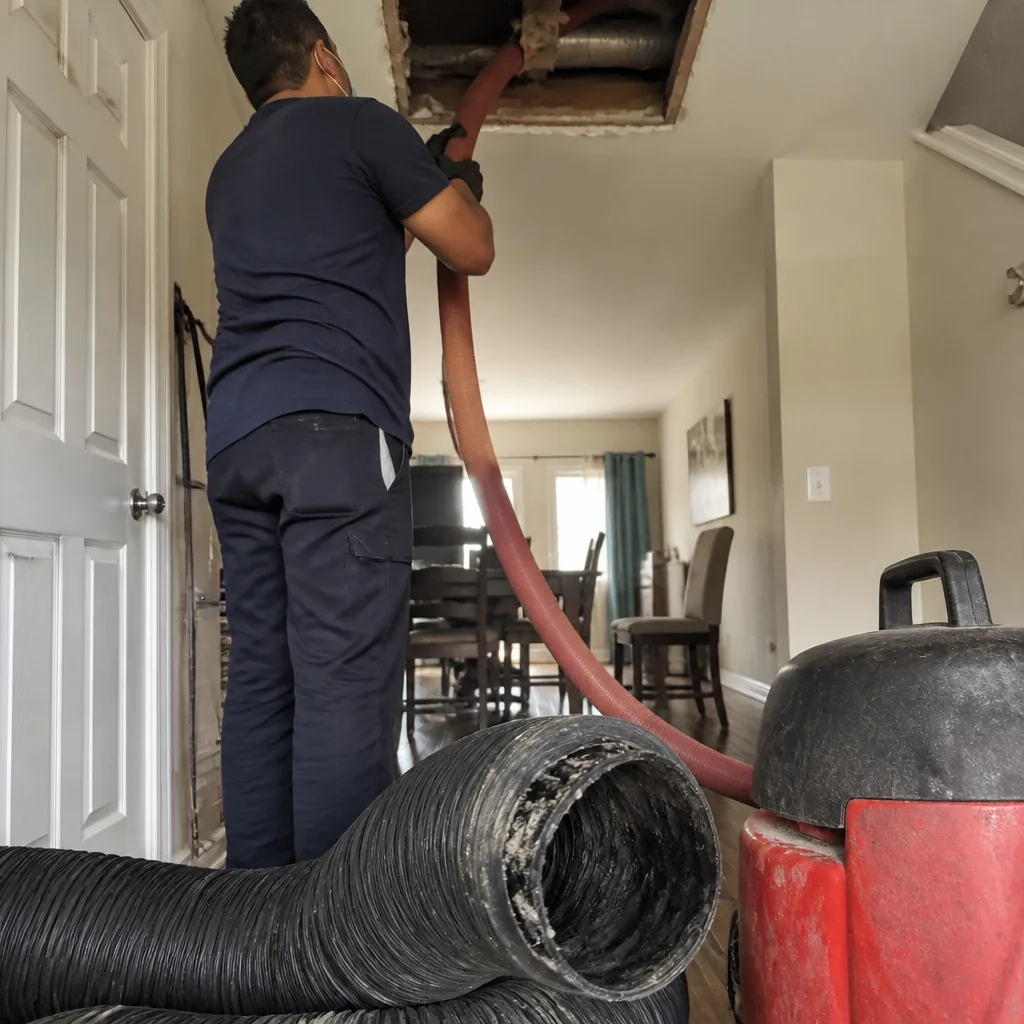 Before
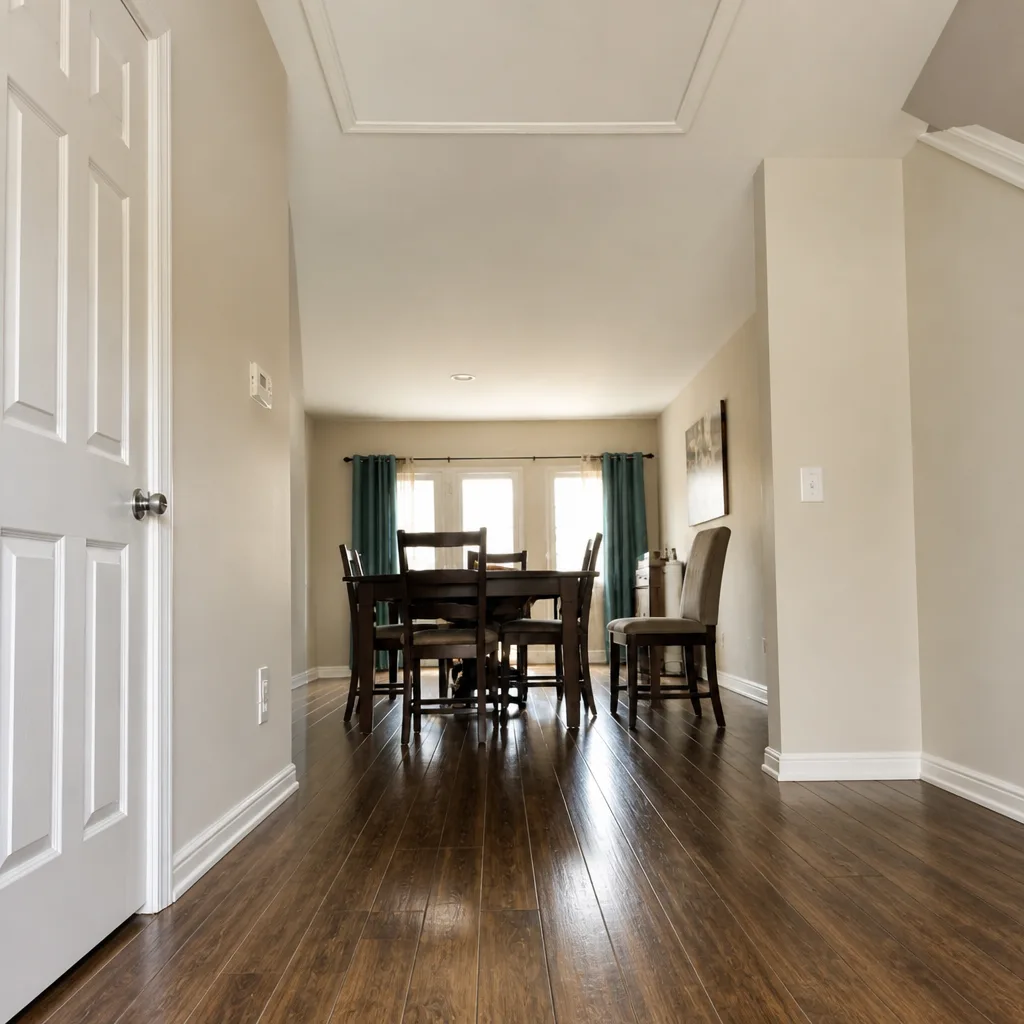 After
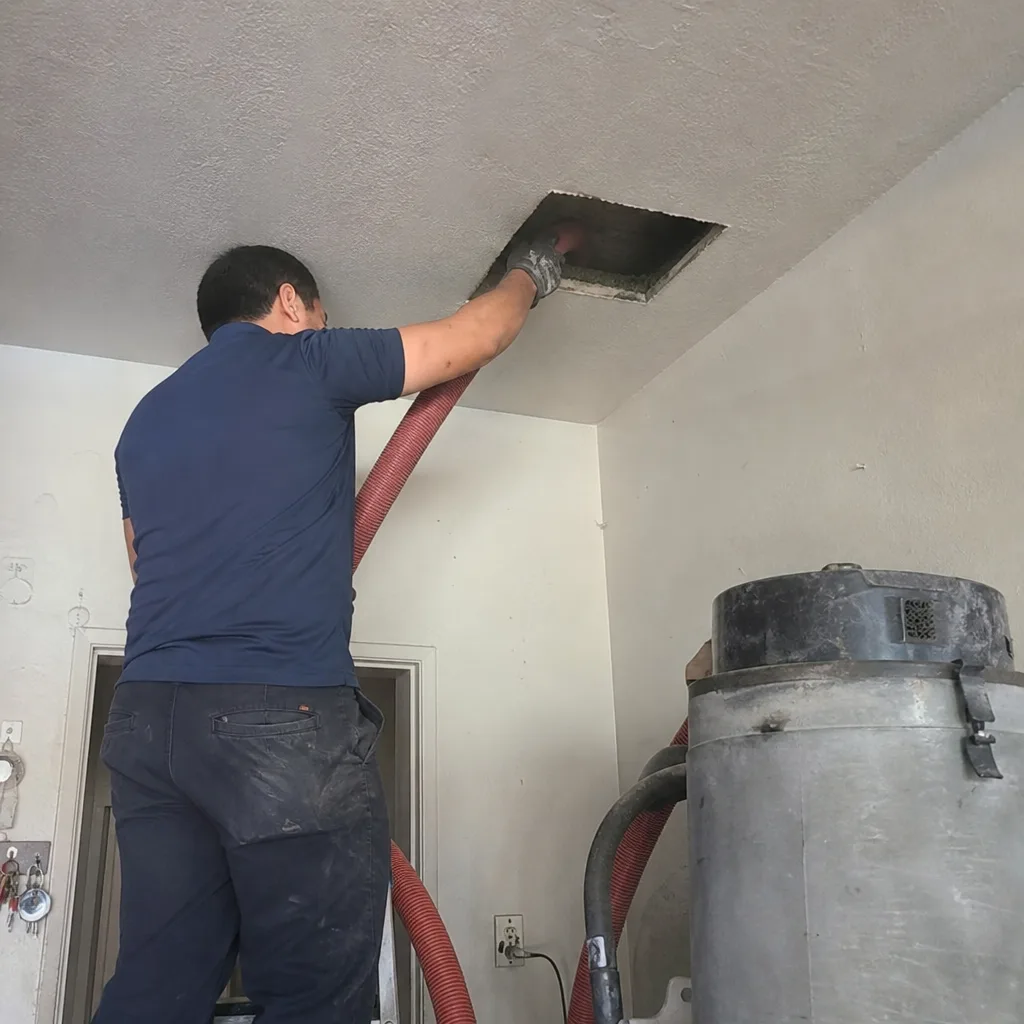 Before
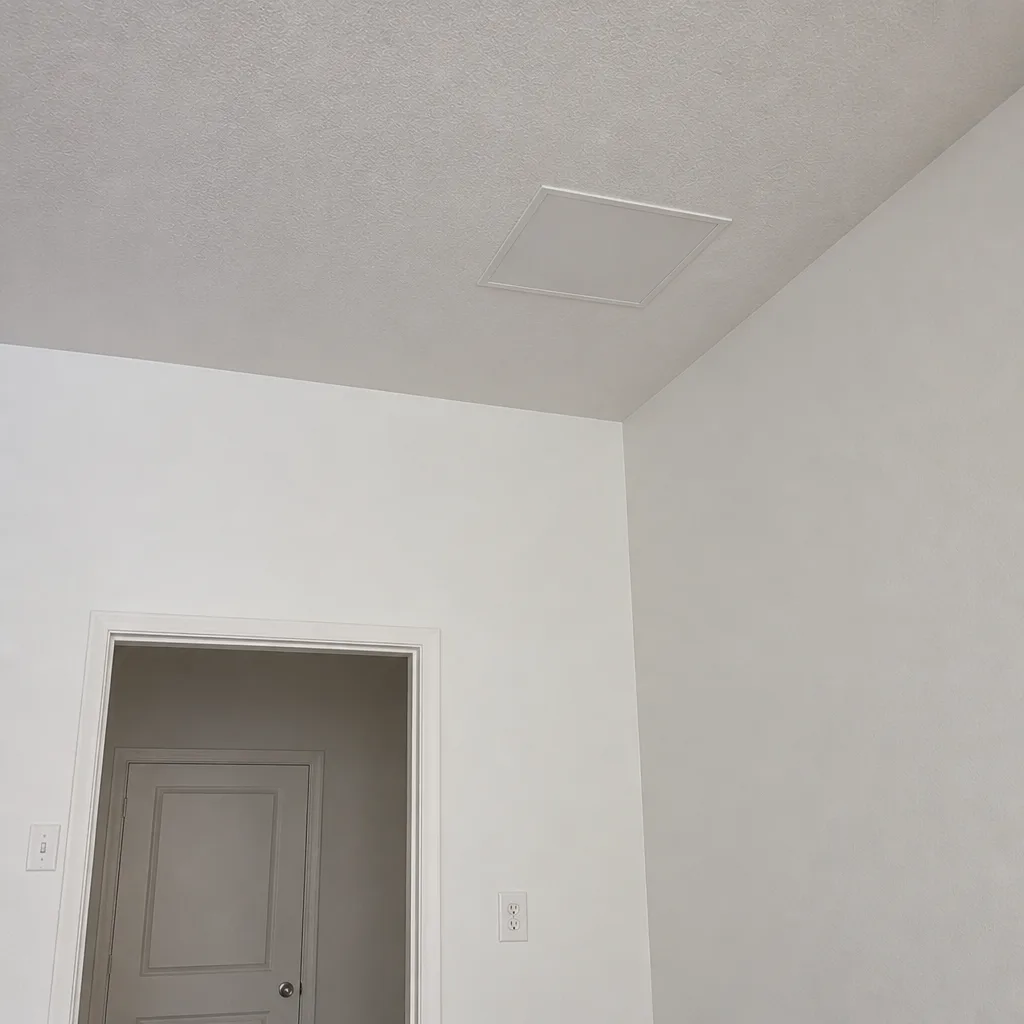 After
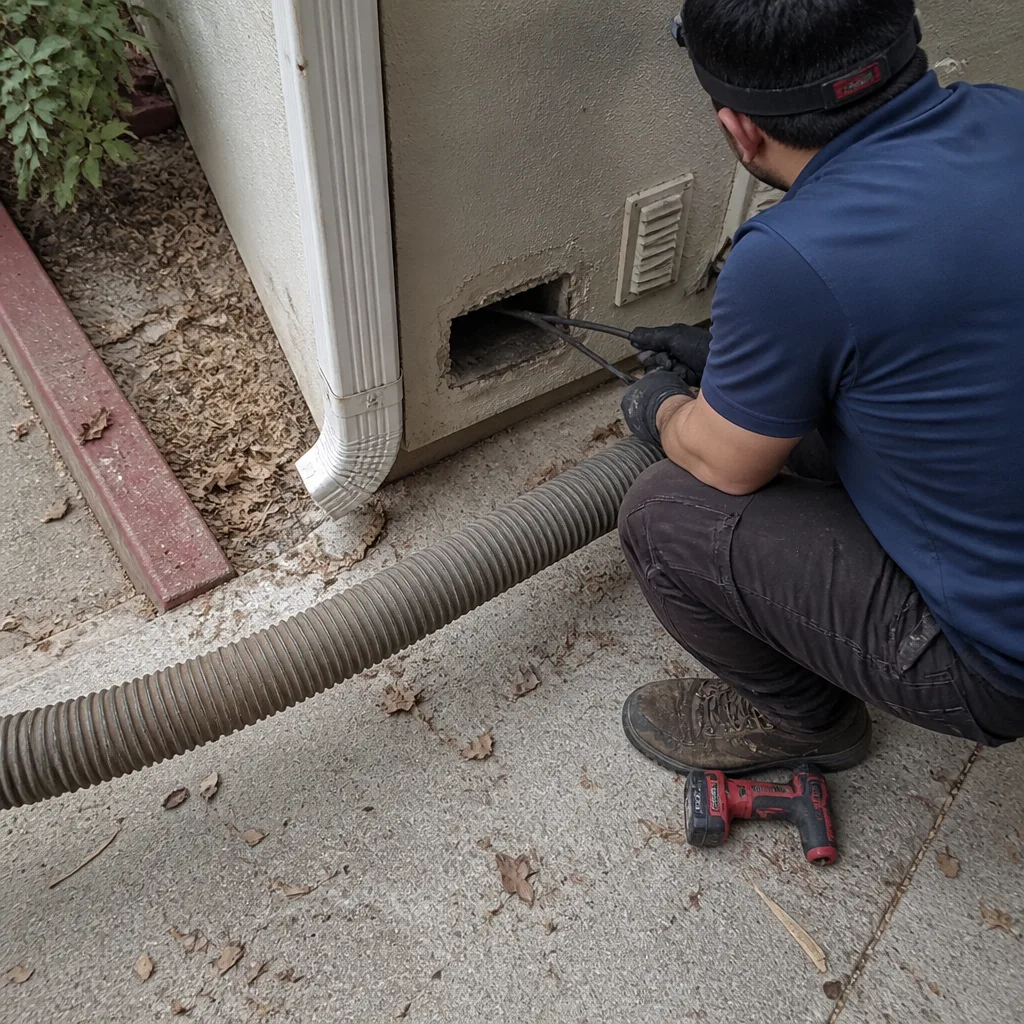 Before
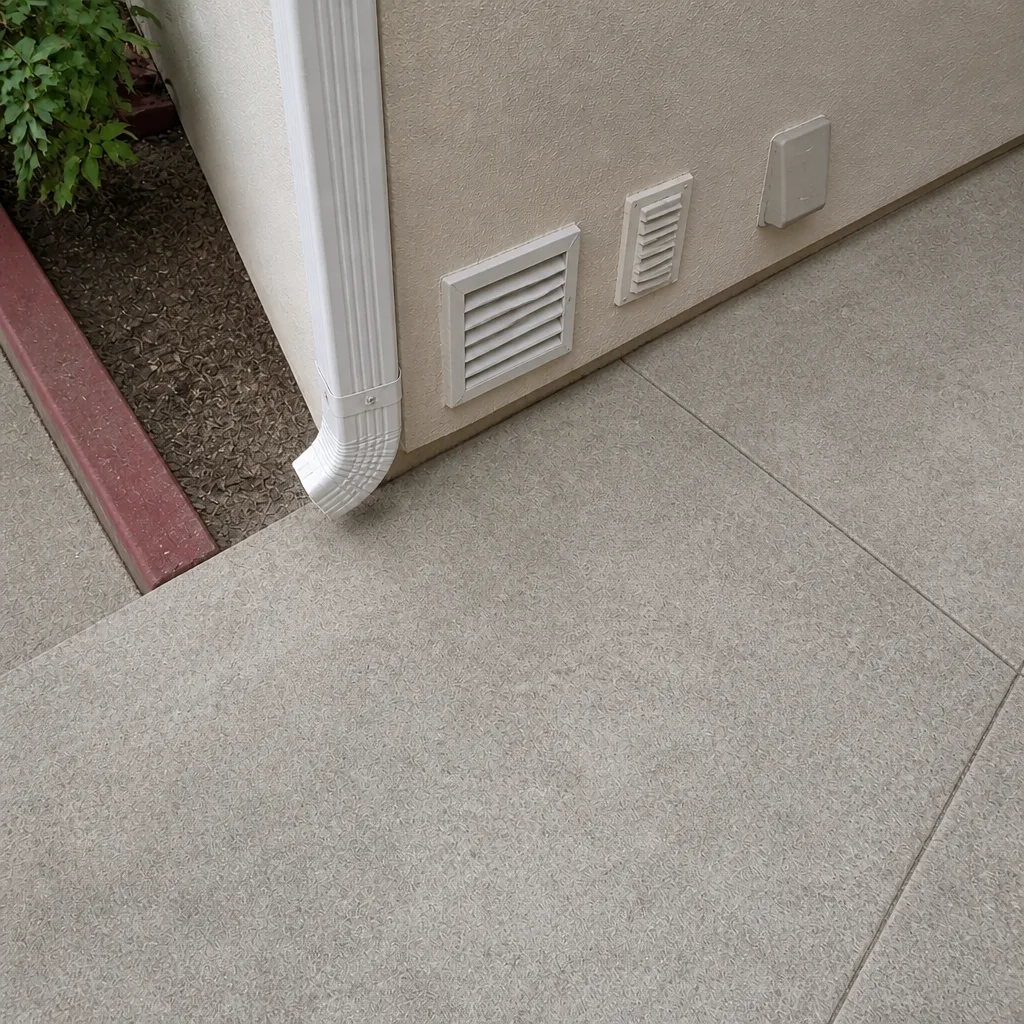 After
When to Call a Professional
Call a professional when any of these is true: you’ve had water intrusion, rodent activity, a recent major remodel, HVAC replacement, a significant smoke event, or a clear allergy symptom pattern in the home that hasn’t improved with filter changes alone. Call if your filter loading trend has shifted, if airflow has dropped in a specific room, or if you’ve never had the ducts inspected in a home you’ve just moved into. Call if you see visible debris at the returns, smell something musty at a supply, or hear a new whistle at a joint. Those symptoms don’t usually resolve on their own; they just get more expensive to sort out.
Westpark Air Duct Cleaning offers free estimates in Westpark. We use professional-grade Rotobrush and Nikro equipment and Abatement Technologies filtration on site, and we’ll tell you when an inspection alone is the right call rather than push a full cleaning. Call (877) 820-9652. We answer 24/7. Fast dispatch from 7am to 7pm, Sunday through Friday.
Frequently Asked Questions
Every three to five years is the standard baseline for a typical household, but you should move up to every two years (or every eighteen months) if you have shedding pets, allergies, a recent renovation, or a long HVAC season. Any flood, rodent issue, or HVAC replacement resets the clock and calls for inspection immediately. If you want a schedule fitted to your actual home, call (877) 820-9652; estimates are free.
Every two years is the standard recommendation for a home with one or more shedding pets, and every eighteen months if you have multiple pets or a pet that sheds heavily. Pet dander and fur cycle continuously through the return and settle in the duct walls faster than typical household dust. If anyone in the home is allergy-sensitive, the aggressive end of that range is the safer place to sit.
Yes, filter loading is one of the best early signals available without opening the ducts. If your filter starts loading noticeably faster than it used to, without a change in pets or occupancy, the ducts are likely getting saturated or the system has developed a leak. If loading is unchanged, your ducts are probably on schedule. Keep a log so the comparison is real rather than remembered.
Yes, cleaning within the first month after a significant renovation is well worth doing. Drywall dust, sawdust, and insulation fibers are heavy and settle into the main trunks. They don’t clear themselves through normal system operation. Cleaning right after the renovation is far more effective than waiting for the standard interval to come around. Call (877) 820-9652 for an estimate.
Inspection alone is often the right call. A professional inspection tells you whether the ducts are at the cleaning threshold, need minor repair or sealing, or are simply not due yet. When leaks or disconnected runs are the issue, repair and sealing are what the system actually needs. A good inspection gives you a clear recommendation rather than a single “clean everything” answer.
No, the two schedules are different. Dryer vent cleaning generally runs every one to two years for most homes, sooner if the vent run is long or has many elbows. Lint accumulation is a fire-safety issue rather than a comfort issue, and the vent system is independent of the HVAC ductwork. The team can book both in one visit when the timing lines up.
The Bottom Line
The three-to-five-year guideline is a starting point, not a rule. Your real schedule depends on pets, renovation history, smoke events, and HVAC run-time, and any flood, rodent problem, or equipment replacement resets it. Track your filter loading, do the brief monthly and seasonal checks, and use an inspection when the signals point toward it. Read every duct system you live with as an evolving condition rather than a static one, and schedule from there. Repair and seal when leaks are found, clean when the system is due, and treat the dryer vent on its own separate interval. Westpark Air Duct Cleaning is available to walk that path with you, one visit at a time. Call (877) 820-9652 for a free estimate today.
Written by the team at Westpark Air Duct Cleaning.