
Last updated November 23, 2026
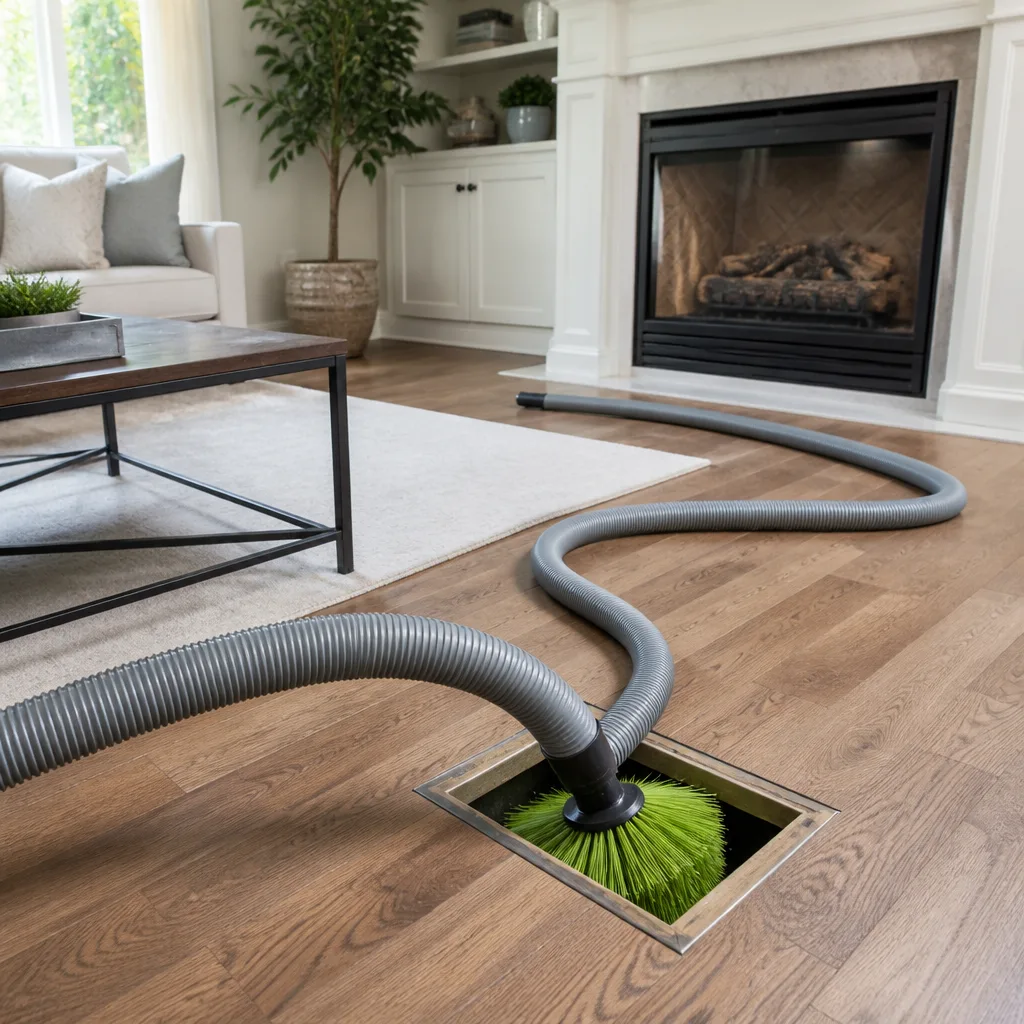 Whole-home duct cleaning
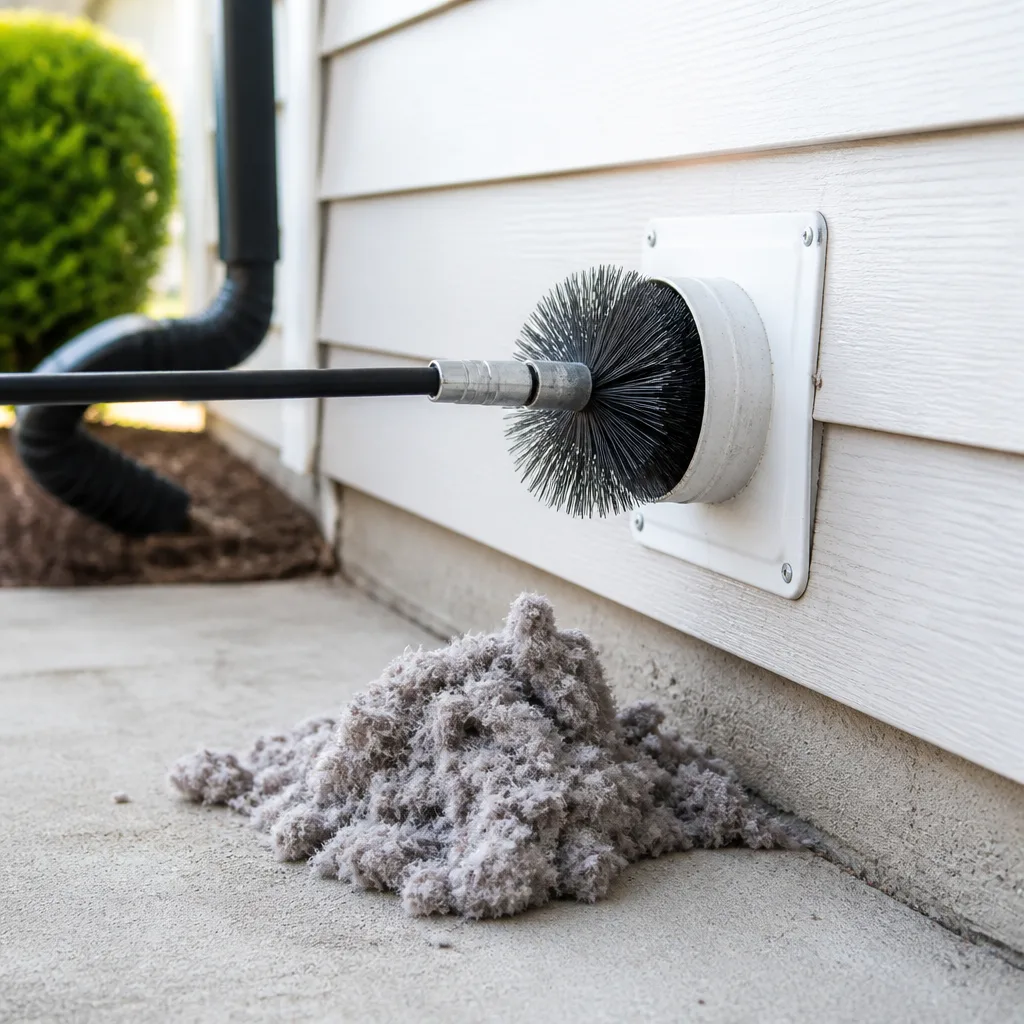 Dryer vent cleaning
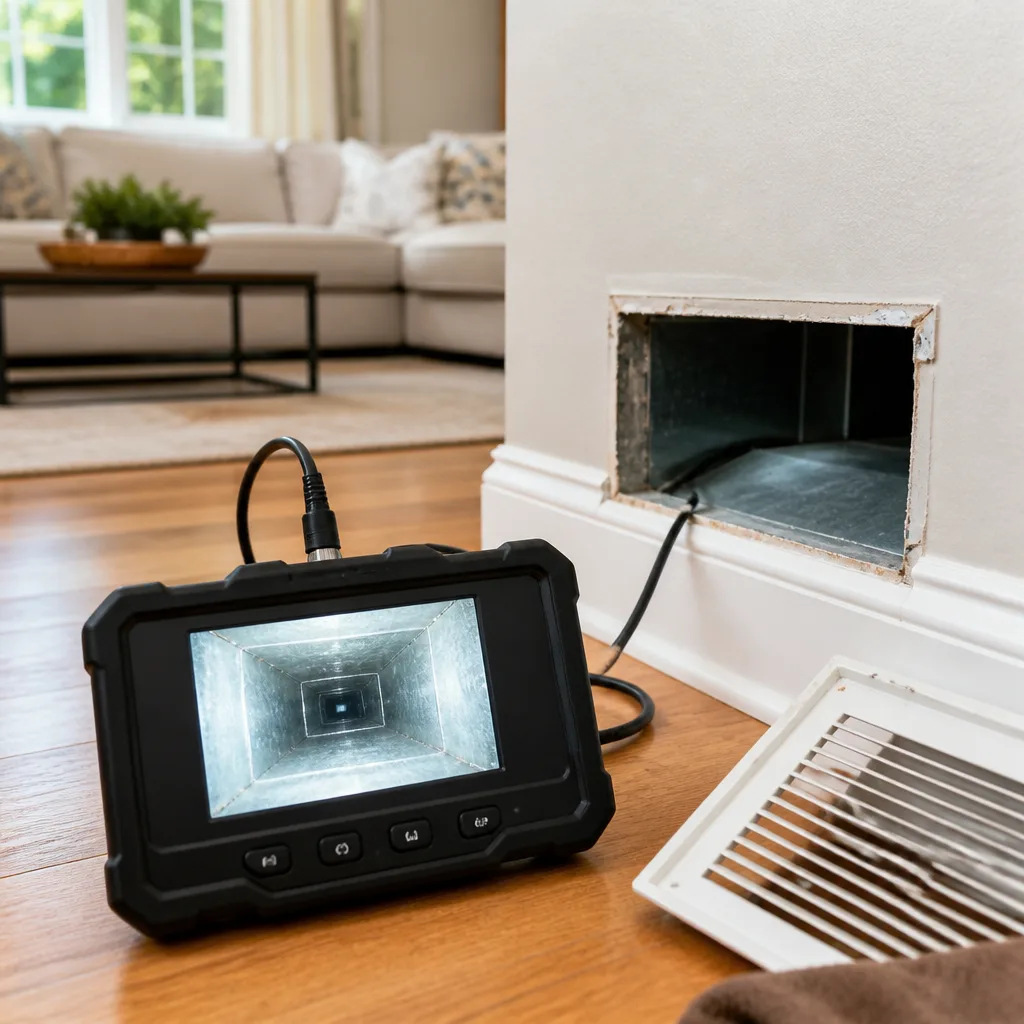 Camera inspection
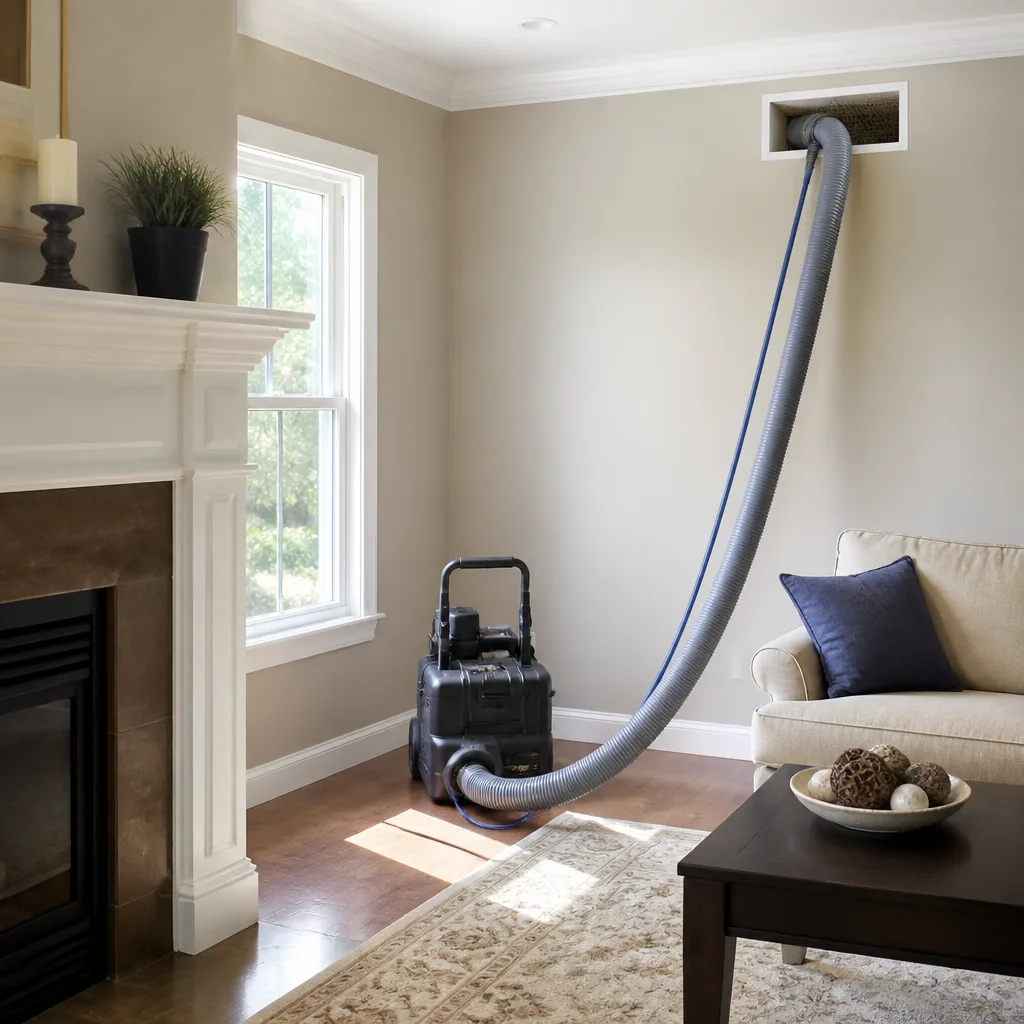 Sanitizing & deodorizing
Whole-system duct and dryer vent check with before-and-after photos - you see exactly what came out of your vents
That "$99 whole-house special" is a bait ad - the real number appears once they are in your hallway, or the "clean" is a shop-vac at the register. We photograph the inside of your ducts before and after instead.
The Complete Guide to Air Duct Cleaning in Westpark
Most people assume duct cleaning means vacuuming debris out of the visible vents in each room. That’s backwards. The dirt that matters lives in the parts you never see: the plenum above the air handler, the long return trunks, and the blower compartment where every particle in your home eventually passes through. Clean only one section and you haven’t solved the problem. You’ve moved it. Contamination keeps cycling through the loop, settling back into the ducts you just cleaned and the coil behind the filter. This guide explains how the whole air pathway works as one system, what Westpark’s heat and dry air do to that system, and how to tell a real system clean from a surface vacuum. Westpark Air Duct Cleaning wrote it from the inside of the trade.
Quick Answer
Air duct cleaning in Westpark means cleaning the entire air pathway under negative pressure, not just the vents: supply ducts, return ducts, the plenum, the blower compartment, and the air handler. A verified system clean uses purpose-built rotary-brush and HEPA-filtration equipment, includes before-and-after photos of your own ducts, and addresses leaks with duct sealing and sanitizing where contamination has taken hold. Cleaning one section while ignoring the rest just redistributes what’s already in the system.
Styles & brands we work with
- Whole-home duct cleaning
- Dryer vent cleaning
- Camera inspection
- Sanitizing & deodorizing
Table of Contents
- How Your Air Pathway Works as One System
- What Negative-Pressure Equipment Does That a Shop Vac Can’t
- Why Westpark’s Heat and Dry Air Fill Ducts Faster
- Surface Clean vs. Verified System Clean: How to Tell the Difference
- Sealing, Sanitizing, and What Cleaning Alone Can’t Fix
- Dryer Vent Cleaning and the Fire Risk Most Guides Skip
- What a Full System Clean Looks Like, Step by Step
- How to Choose an Air Duct Cleaner in Westpark
How Your Air Pathway Works as One System
Your HVAC system moves air through a closed loop. Cooled or heated air leaves the air handler, travels through the supply trunks and branch runs, spills into each room through the supply registers, picks up dust, pet hair, cooking particles and whatever else is suspended in the room, and returns through return grilles. From there it passes the filter, crosses the blower wheel and evaporator coil, and enters the plenum to start the trip again.
Every component on that loop shares contamination. Dust that settles in a return trunk gets pulled across the blower wheel. A film of debris on the blower blades throws the wheel off balance and cuts airflow. A dirty evaporator coil can’t shed heat, so the system runs longer, moves more dusty air, and the problem compounds. The plenum, which is the box connecting the air handler to the duct trunks, is often the dirtiest stretch in the whole system because it sees the most unfiltered turbulence.
- Supply ducts carry conditioned air out. Debris here ends up blown into living space.
- Return ducts pull room air back. They collect the heaviest load of dust, hair and fiber.
- The plenum is the transition box at the air handler. High turbulence, high accumulation.
- The blower compartment holds the wheel that moves every cubic foot of air in your home.
- The coil and filter slot are where the loop closes, and where a neglected system shows it first.
That’s why air duct cleaning done properly touches all of it. Clean the branches and skip the returns and the plenum, and the first cycle of air through the system re-seeds everything you just cleaned. In our experience, this is the single most common reason a homeowner says the job “didn’t make a difference.”
What Negative-Pressure Equipment Does That a Shop Vac Can’t
A shop vac pulls air into a small hose with limited static pressure. On a duct run, that means it stirs up settled debris and captures a fraction of it. The rest goes airborne. Purpose-built equipment works the opposite way: it puts the whole duct system under negative pressure, so loosened material is drawn toward the collection point instead of into your living room.
Westpark Air Duct Cleaning uses Rotobrush rotary-brush systems and Nikro HVAC vacuum equipment – the same class of tools commercial HVAC contractors use. The rotary brush agitates debris off duct walls with a whip and brush head that reaches the full circumference of a run; the vacuum holds the system under suction the entire time. Layered on top is Abatement Technologies air filtration running on-site, which captures fine particulates at the source rather than letting them settle on your furniture and countertops.
- Containment first. Registers are taped or covered, and filtration goes on before any brush enters a duct.
- Negative pressure established. The collection unit ties into the system so the entire duct network sits under suction.
- Agitation. Rotary brushes run the length of each trunk and branch, breaking debris loose from the walls.
- Capture. Loose material travels to the vacuum, not into the room.
- Air handler and plenum. The blower compartment and plenum get cleaned directly, since no brush reaches them from a register.
- Verification. Before-and-after photos document what came out of each section.
This is what “professional-grade equipment, not consumer shortcuts” actually means in practice. It’s not branding. It’s the difference between removing contamination and spreading it around the house.
Why Westpark’s Heat and Dry Air Fill Ducts Faster
Westpark runs hot and dry through the long warm season, and that combination pushes more particulate into the air pathway than a mild, humid climate does. Dry air keeps fine dust suspended longer instead of letting it clump and fall out. Those particles stay airborne until they reach a filter, a return grille, or a duct wall where they settle.
Heat makes it worse. When outdoor temperatures climb, your system runs more hours to hold indoor comfort, which means more air cycles through the same ducts and more dust deposits on the blower wheel and coil. Add the particulate season that comes with dry inland air – windblown soil, pollen, wildfire smoke haze during the hotter months, construction dust from nearby remodeling – and ducts that would take years to load up in a damp climate can accumulate noticeably faster here.
A few Westpark-specific patterns we see:
- Long cooling runs drive dust load. Months of near-continuous operation mean the return trunks and blower see heavy traffic.
- Landscape and construction dust. New builds, additions and yard work push fine soil particulate into the return side.
- Pollen and smoke haze. The dry season carries both, and a system without a proper filter turns the duct network into the collection point.
- Closed-house living. When windows stay shut against the heat, everything the air carries stays inside the loop.
That’s the practical reason a Westpark system often needs attention sooner than a homeowner expects. It’s not that the ducts are poorly built. It’s that the local climate loads them faster.
Surface Clean vs. Verified System Clean: How to Tell the Difference
The fastest way to know which job you got is to ask what was cleaned. A surface clean touches the registers and the first few feet of each branch. A verified system clean touches the supply trunks, the returns, the plenum, the blower compartment and the air handler, and documents all of it. Most homeowners can’t tell the two apart from the invoice alone, which is why bait-and-switch has a foothold in this trade.
Here’s how to separate them:
- Ask what equipment goes in the truck. A rotary-brush system and a HEPA-filtered vacuum are the baseline. A shop vac and a hose is not the same job.
- Ask whether the plenum and blower compartment are included. If the answer is vague, the answer is no.
- Ask for before-and-after photos of your own ducts. Not stock images, not a video of somebody else’s job. Yours, taken on site.
- Ask what happens to the debris. The right answer is: captured on site under negative pressure and filtration, not blown out a vent.
- Watch whether they test airflow before and after. A real system clean moves air measurably better.
One flat price per system, agreed before work begins, is the other half of the picture. Per-vent pricing and teaser coupons invite the classic trap where the low number on the flyer becomes a much larger invoice once the technician is in the driveway. Westpark Air Duct Cleaning quotes the whole system and holds the number.
Sealing, Sanitizing, and What Cleaning Alone Can’t Fix
Duct cleaning removes accumulated debris. It doesn’t close gaps in the ductwork, and it doesn’t treat the contamination that has grown into the walls of the system. Those are separate problems, and both keep degrading your air quality until they’re addressed directly.
Duct Repair and Sealing
A leaking duct pulls air from the attic, garage or wall cavity into the system and dumps conditioned air where it does no good. Cleaning a leaking system is like mopping a floor with the window open: you’ve done honest work, but the source keeps replenishing the mess. We repair ducts, not just clean them, because a leaking system is never truly clean. Sealing stops the intrusion and lets the system hold the pressure your equipment expects.
Sanitizing
Moisture events, pest activity, smoke, and long-term neglect can leave microbial growth or odor embedded in duct liner and plenum surfaces. Guardsman-grade treatment products used in sanitizing applications give documented antimicrobial protection where cleaning alone leaves viable contamination behind. That step matters most after a renovation, a water event, or a home you’ve just moved into where you can’t account for the prior maintenance history.
Air Quality Products
Once the system is clean and sealed, filtration and humidity control extend the result. Westpark Air Duct Cleaning carries and installs Honeywell and Aprilaire indoor air quality products, which take your setup from a one-time clean to a filter and treatment strategy that matches the Westpark climate. A proper media filter or air cleaner is a big part of why a clean duct system stays clean.
Dryer Vent Cleaning and the Fire Risk Most Guides Skip
Dryer vents collect lint on every load, and lint is highly flammable. A restricted vent also makes the dryer run hotter and longer. The two problems reinforce each other. Duct cleaning guides tend to treat dryer vents as a separate errand, which leaves a real safety hazard sitting unaddressed in the same home that just got a full system clean.
Westpark Air Duct Cleaning includes dryer vent cleaning as a core service – not an add-on. The work removes lint build-up from the full vent run, including the sections behind the dryer and inside the wall, checks for crushed or disconnected ducting, and verifies airflow out the exterior termination. If the run is kinked or routed wrong, we flag it, because a clear vent with a bad route still restricts.
A simple homeowner check: pull the dryer out, disconnect the vent, and look inside the run with a flashlight. If lint is packed along the walls or the exterior flap doesn’t move well when the dryer runs, the vent needs clearing before the next load. That’s the step that reduces fire risk, not just lint buildup.
What a Full System Clean Looks Like, Step by Step
Here is the actual sequence for a full system clean on a typical Westpark home, start to finish. This is HVAC cleaning in the broad sense: cleaning the system that conditions your air, not just the ducts that carry it.
- Walkthrough and system assessment. We map the supply and return layout, note the filter size and condition, check for obvious leaks, and confirm access to the plenum and air handler.
- Floor and surface protection. Drop cloths and containment go down before any equipment enters.
- Containment and filtration. Registers are sealed and Abatement Technologies filtration goes on, so nothing escapes into the home once agitation starts.
- Negative pressure established. Nikro vacuum equipment ties in and holds the system under suction for the duration.
- Rotary-brush cleaning, supply and return. Rotobrush brushes run every trunk and branch, agitating debris into the airstream where the vacuum captures it.
- Plenum and blower compartment. Both cleaned directly, which requires access a register-only job never gets.
- Coil and air handler inspection. Coil condition noted; heavy soil on the coil blocks the very airflow the clean is meant to restore.
- Sealing, where needed. Gaps in trunk joints or takeoffs get sealed so the system holds pressure.
- Sanitizing, where indicated. Guardsman-grade treatment applied if contamination or odor calls for it.
- Documentation. Before-and-after photos of your own ducts, and a walkthrough of what was done and what the filter needs going forward.
How to Choose an Air Duct Cleaner in Westpark
Ask three questions before you book. What equipment will be on site? Which parts of the system are included? How will the work be documented? A company that answers all three clearly is worth talking to. One that answers in marketing language isn’t.
- Equipment named, not implied. A rotary-brush system and HEPA vacuum, or a company that can’t tell you.
- Whole-system scope, in writing. Supply, return, plenum, blower compartment, air handler. Anything shorter is a partial job.
- One flat price per system. The estimate is free and set per job by the written estimate, before work starts.
- Photos of your own ducts. Not stock shots. Yours, taken on site.
- Sealing and sanitizing on the menu. A cleaner who only cleans can’t address the leaks and growth that keep a system dirty.
- Dryer vent capability. A full-service provider handles the fire-safety side, not just the comfort side.
- Air quality products on offer. Honeywell or Aprilaire filtration is how you keep the result.
- You hear a real process. If the answer to “how does the cleaning work?” is “with special equipment,” keep looking.
Westpark Air Duct Cleaning offers all of that in one engagement: your entire air system – cleaned, sealed, and treated. Our technicians have up to 12 years of experience, and the local pro is licensed and insured as their state requires.
Common Mistakes to Avoid
- Cleaning only the registers. The grille and first foot of duct are the least contaminated part of the system. The returns and plenum hold the real load.
- Booking on a per-vent coupon price. Per-vent pricing encourages a quick pass of the accessible branches, and the real cost turns up once the technician is on site. Ask for the whole-system flat price up front.
- Skipping the blower compartment. A blower wheel caked in dust restricts airflow every hour the system runs. No amount of duct brushing reaches it from a register.
- Ignoring leaks after a clean. A duct system that pulls attic or garage air through joint gaps will refill with debris the same season. Sealing is what closes the door.
- Forgetting the dryer vent. It’s the fire-safety side of indoor air quality and it’s often skipped in a duct-only visit.
- Accepting the job with no documentation. Without before-and-after photos of your own ducts, you have no way to confirm what happened.
- Cleaning without a filter strategy. A clean system and a missing or undersized filter is a wasted clean. A media filter or air cleaner matched to the Westpark climate keeps the result.
- Believing the first flyer. A cheap visit from a company that can’t name its equipment is the pattern behind most complaints in this trade.
See the difference
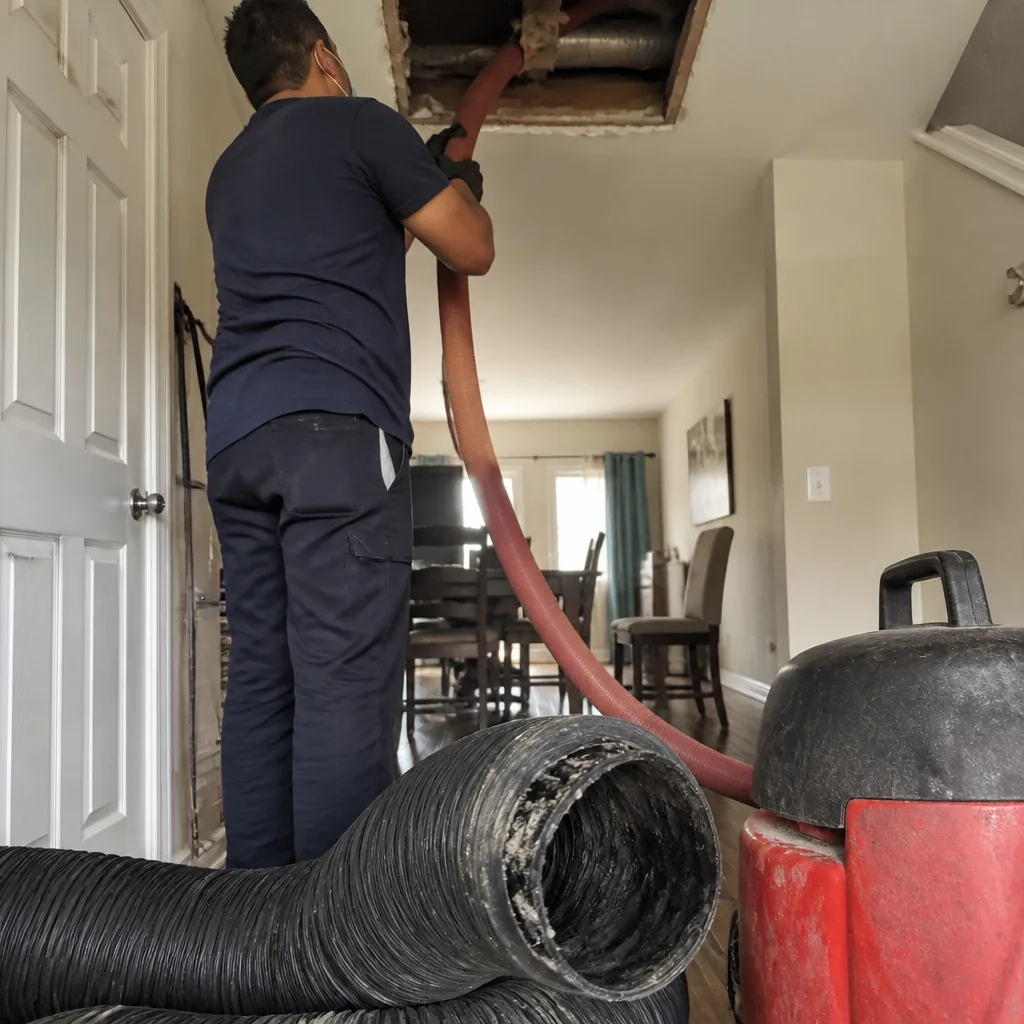 Before
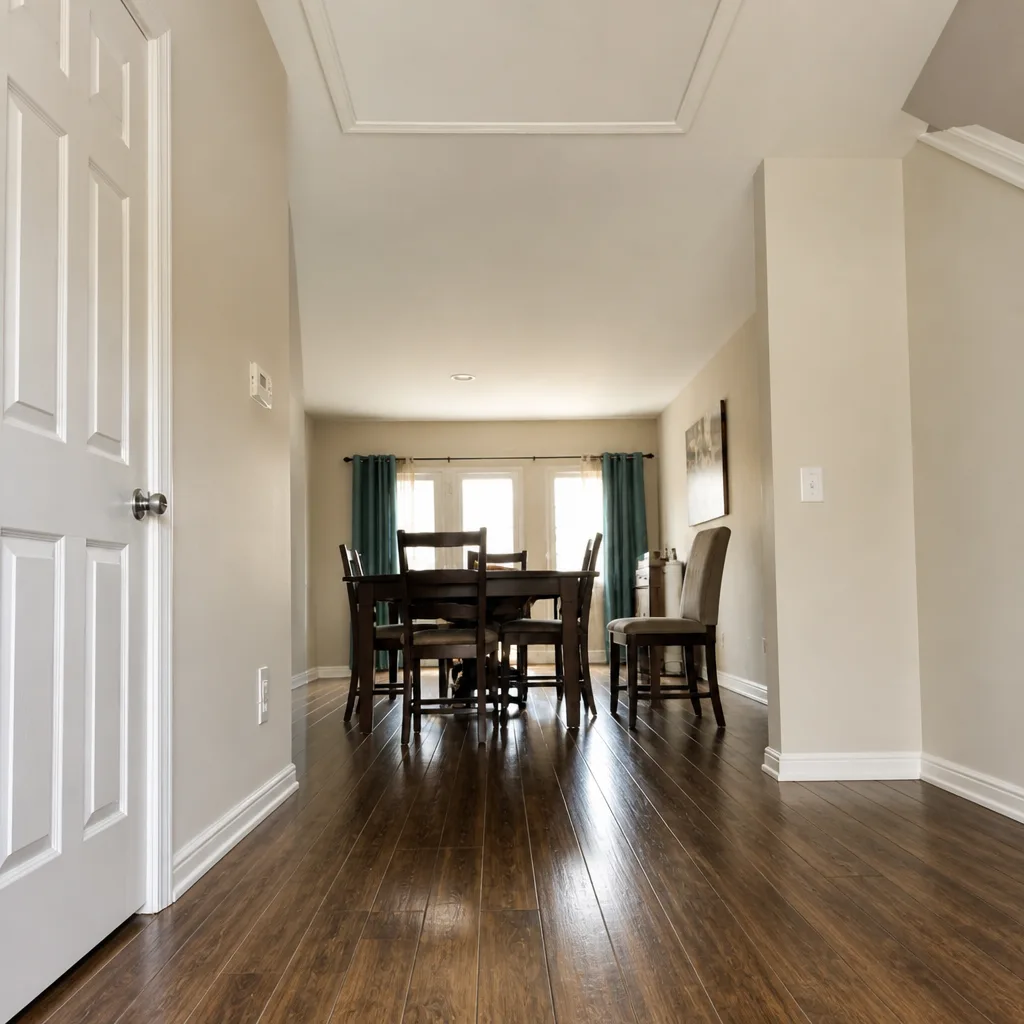 After
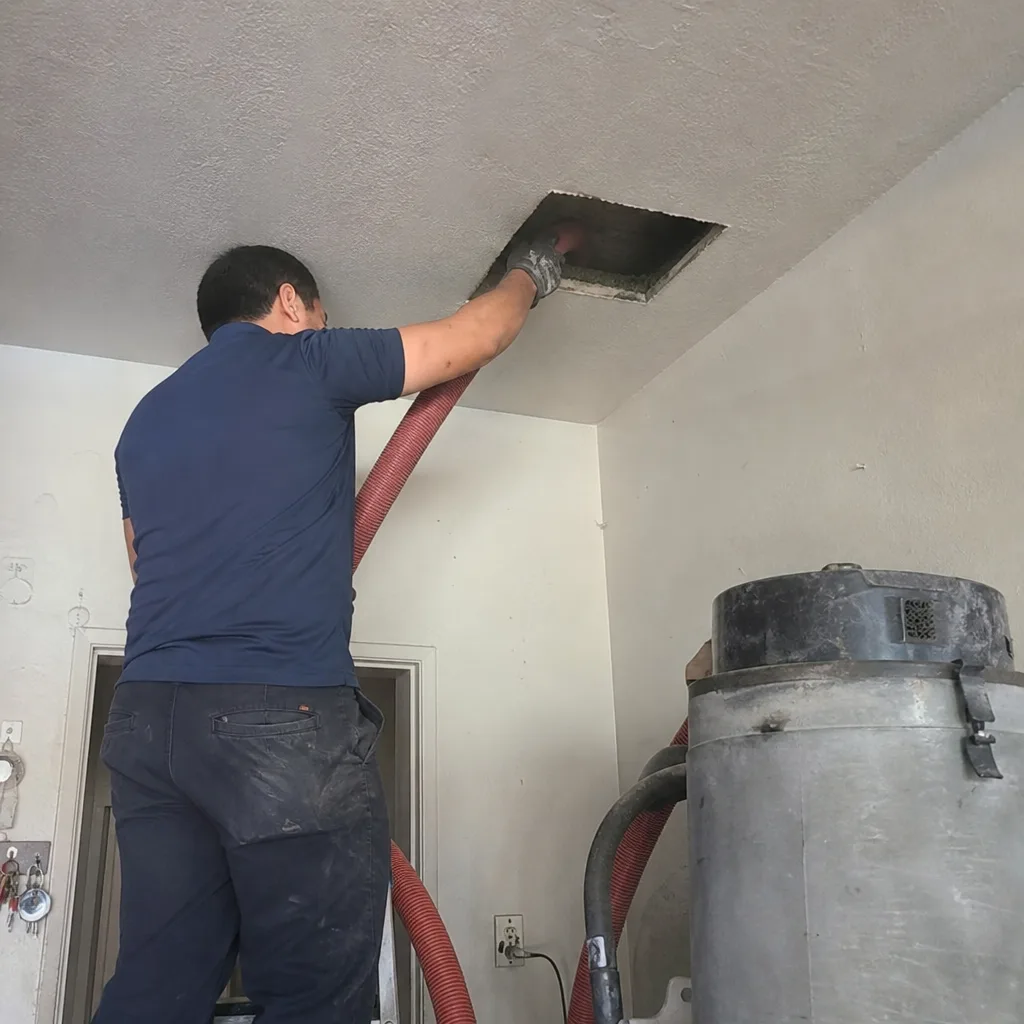 Before
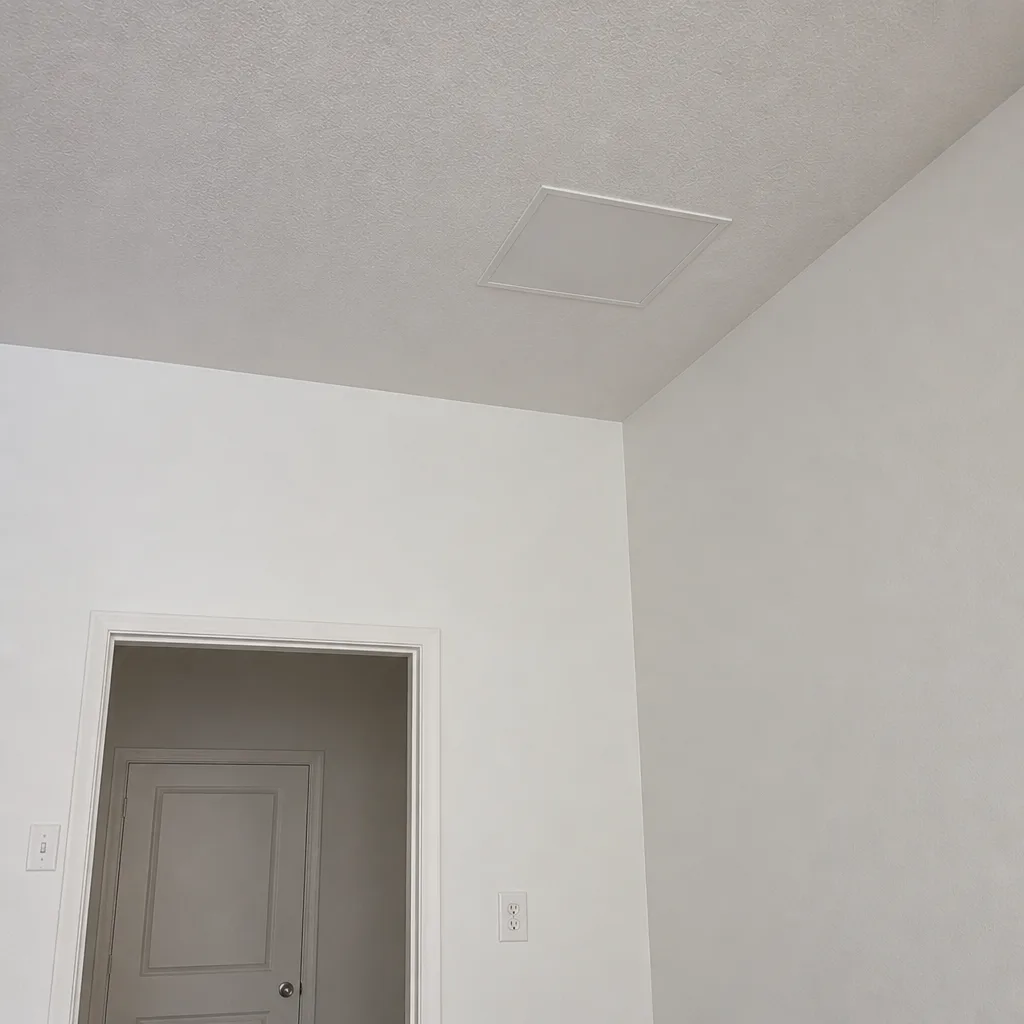 After
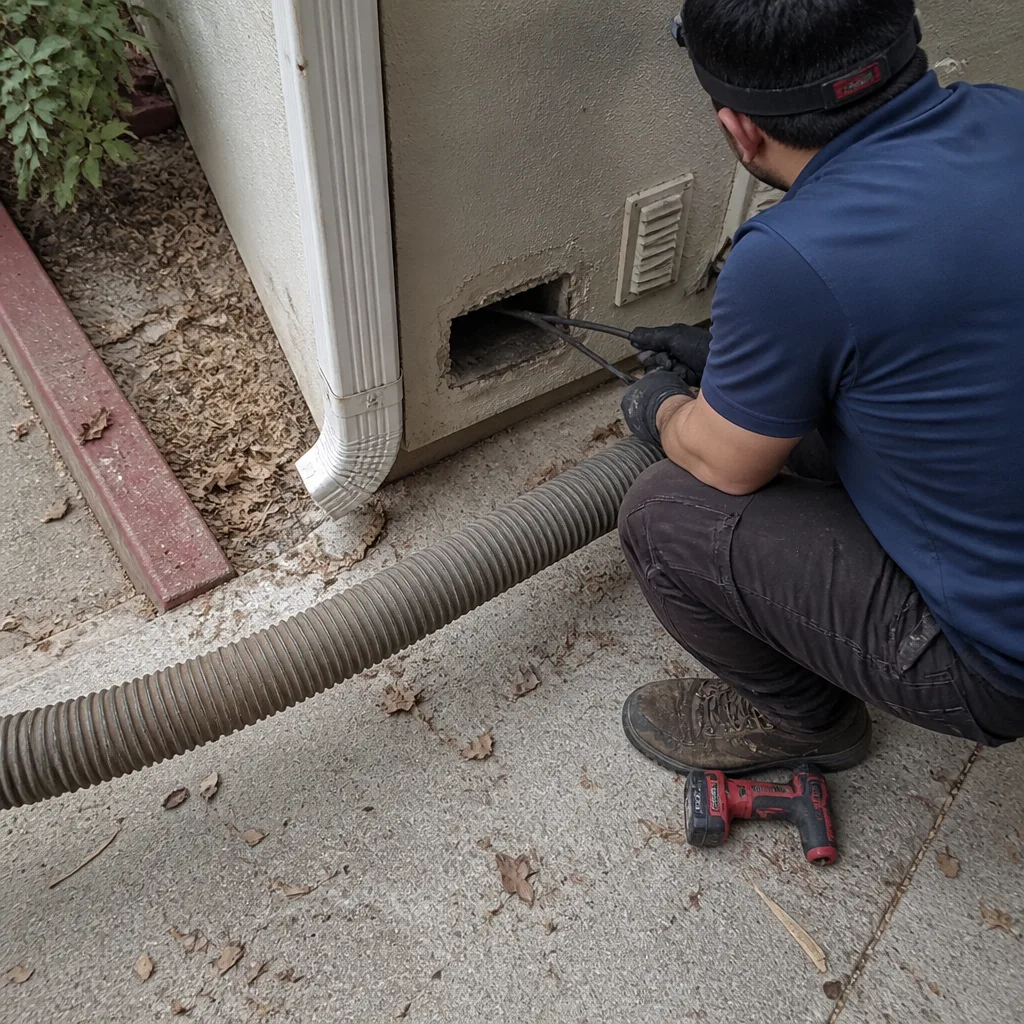 Before
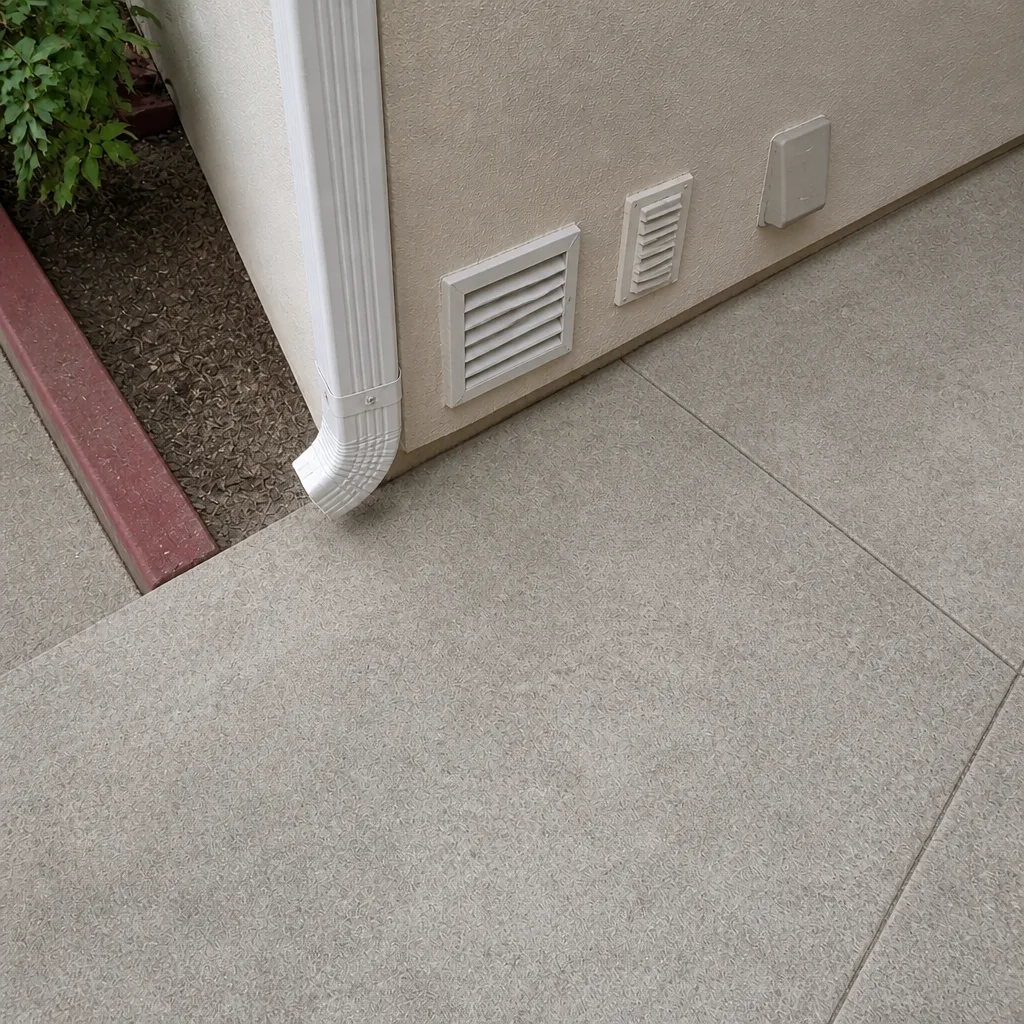 After
When to Call a Professional
Call when you can see the problem or smell it. Visible dust streaming from a supply register, dust settling on furniture days after cleaning, or musty odor when the system kicks on all point to contamination that a filter change won’t fix. Recent renovation, a new-to-you home with an unknown maintenance history, pets in the house, or a family member with allergies all raise the priority. A dryer vent that takes more than one cycle to dry a load, or feels too hot at the back of the dryer, needs a look before the next load runs. Westpark Air Duct Cleaning offers free estimates in Westpark – call (877) 820-9652. We answer 24/7, with fast dispatch from 7am to 7pm, Sunday through Friday. The local pro is licensed and insured as their state requires.
Frequently Asked Questions
Cost depends on the size of the system, the number of returns, and accessibility to the plenum and air handler. Westpark Air Duct Cleaning quotes one flat price per system, agreed before work begins, with no per-vent pricing. Call (877) 820-9652 for an exact quote – estimates are free.
Cheap quotes usually describe a partial job: the registers and first few feet of branches cleaned with minimal equipment, not the whole air pathway under negative pressure. That’s where the bait-and-switch reputation in this trade comes from. Ask what equipment is on site and which components are included, and hold the answer against the price.
Ask for before-and-after photos of your own ducts, taken on site. A professional-grade clean uses rotary-brush and HEPA-filtration equipment, includes the plenum and blower compartment, and documents the result. If a company can’t show you what came out, you can’t verify the job.
It depends on your home. In Westpark’s dry, hot climate, with long cooling seasons, pollen, and construction dust around, a residential system typically benefits from inspection every couple of years. Households with pets, allergy concerns, or recent renovation usually need attention sooner. A qualified contractor can tell you whether the system is at that point.
It can reduce the particulate load circulating through the home, which is one part of the picture for allergy-sensitive households. Combined with sealing leaks, sanitizing where contamination has grown, and a filter matched to your system, the effect is larger than cleaning alone. The local pro can assess what your system actually needs.
Not always. Sanitizing with Guardsman-grade treatment products is worth doing when there’s odor, microbial growth, pest activity, smoke residue, or a renovation behind the situation. Cleaning removes the debris; sanitizing addresses what’s grown into the surfaces. Ask whether your system shows those signs before adding it.
The Bottom Line
A duct system is a loop, and contamination anywhere on that loop ends up everywhere. Real cleaning means the whole pathway under negative pressure, with professional-grade equipment from Rotobrush and Nikro, filtration running on site, and before-and-after photos that prove the job. Westpark’s heat, dry air, and particulate season load systems faster than most homeowners expect, which makes sealing, sanitizing, and a proper filter strategy as important as the clean itself. One flat price per system, agreed before work starts. That’s the standard. Westpark Air Duct Cleaning is the team to call when you want your entire air system – cleaned, sealed, and treated.
Call (877) 820-9652 for a free estimate. We answer 24/7, with fast dispatch from 7am to 7pm, Sunday through Friday, and we’re closed on Saturday.
Written by the team at Westpark Air Duct Cleaning.