
Last updated November 23, 2026
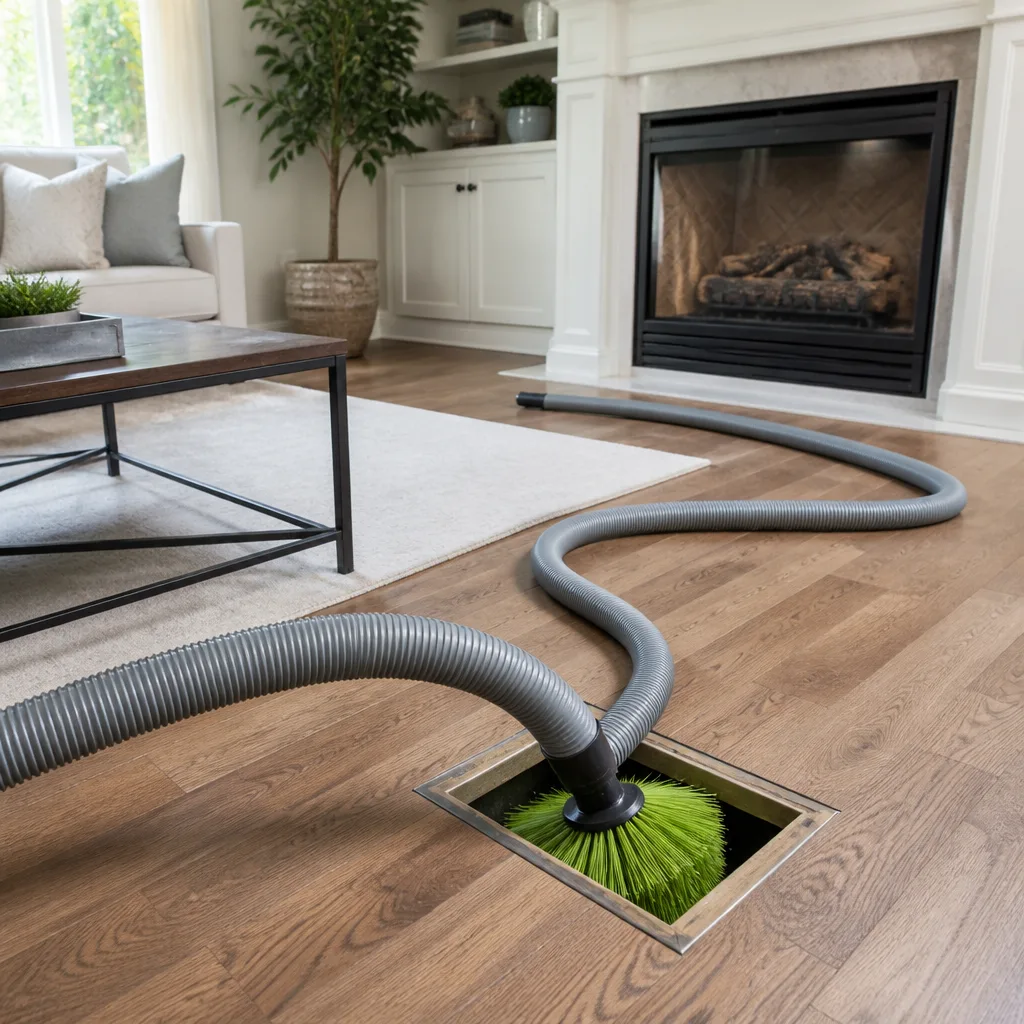 Whole-home duct cleaning
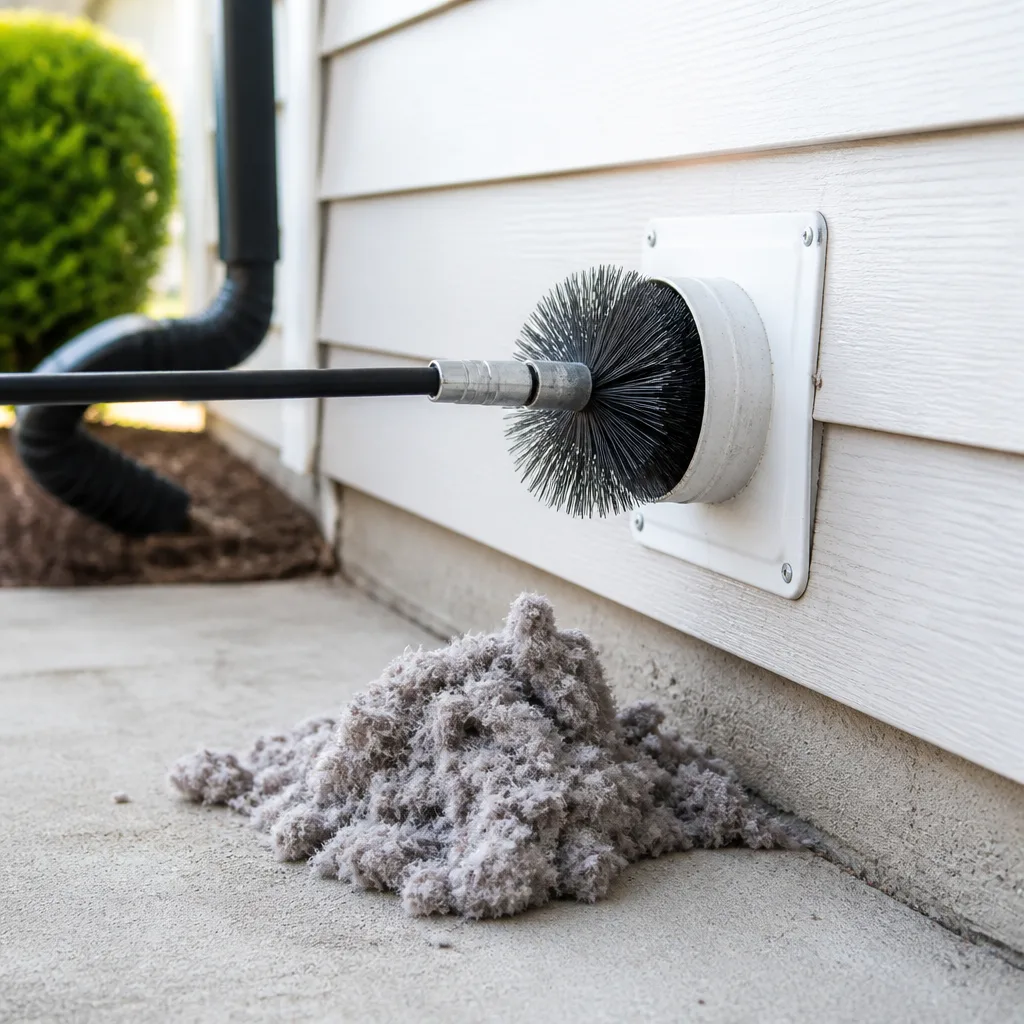 Dryer vent cleaning
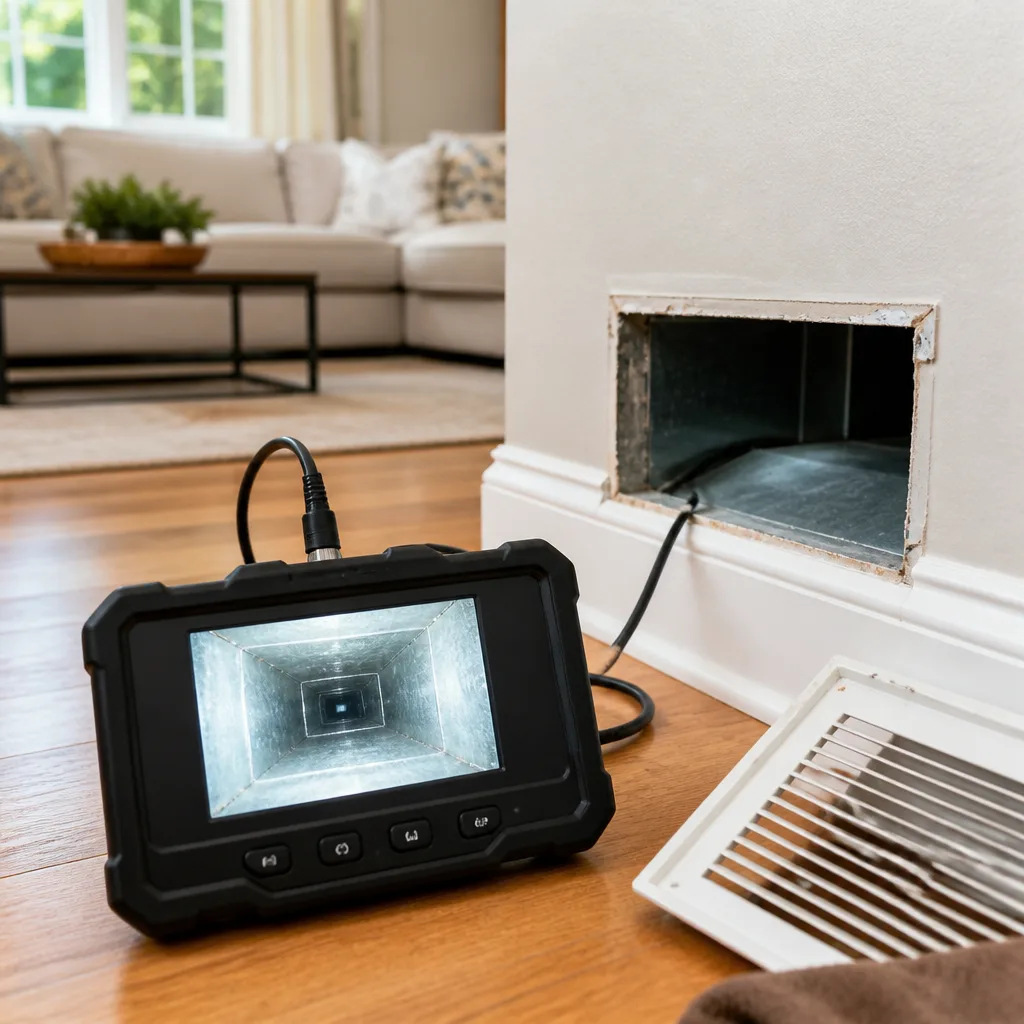 Camera inspection
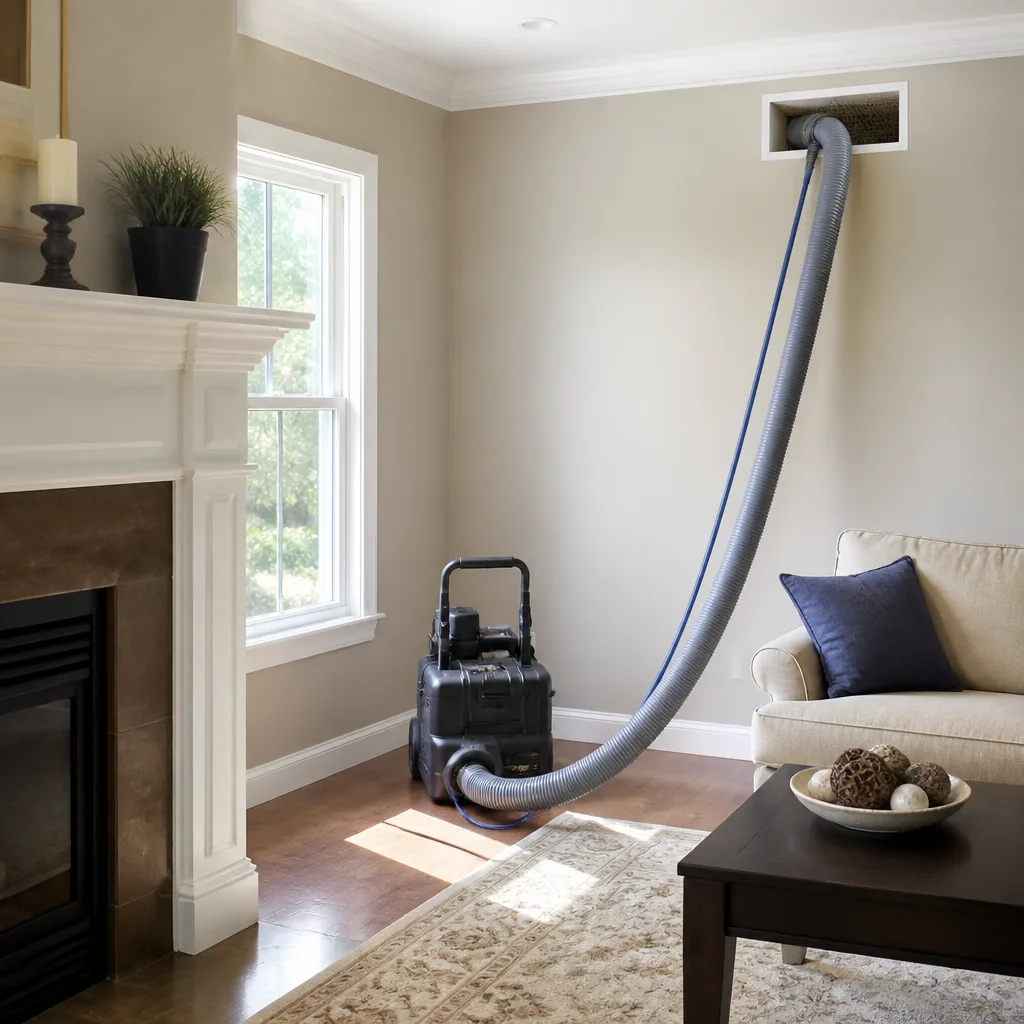 Sanitizing & deodorizing
Whole-system duct and dryer vent check with before-and-after photos - you see exactly what came out of your vents
That "$99 whole-house special" is a bait ad - the real number appears once they are in your hallway, or the "clean" is a shop-vac at the register. We photograph the inside of your ducts before and after instead.
How to Hire an Air Duct Cleaning Contractor in Westpark: A Step-by-Step Guide
A $49 duct cleaning coupon in your mailbox or on your phone screen is the clearest signal that a company has no plan to clean your ducts. It’s arithmetic, not cynicism. Any legitimate full-system job takes equipment, time, and containment, and no crew absorbs that loss out of goodwill. The coupon is the opening offer of a sales visit, not a cleaning appointment. In the pages that follow, we walk through the filters that separate a real contractor from a coupon operation, from what a certification actually means to what a written estimate must itemize. Westpark Air Duct Cleaning sees the difference between those two outcomes every week.
Quick Answer
To hire an air duct cleaning contractor in Westpark, verify three things before you book: the specific certifying body behind any “certified” claim, the equipment the crew will bring and whether it includes vacuum containment and rotary agitation, and a written estimate that itemizes the full air pathway (blower, coil, plenum, trunk lines, and branch runs) rather than vague whole-house language. Ask for proof, not promises. A contractor who can answer all three with specifics is a contractor worth hiring.
Styles & brands we work with
- Whole-home duct cleaning
- Dryer vent cleaning
- Camera inspection
- Sanitizing & deodorizing
Table of Contents
- Why California Doesn’t License Duct Cleaners
- What NADCA Certification Actually Requires
- Five Questions to Ask Before Booking
- Red Flags in California Duct Cleaning Solicitations
- How to Verify the Scope Covers the Full System
- What a Legitimate Written Estimate Itemizes
- Equipment: What Real Cleaning Looks Like
- How Often Ducts Need Cleaning in Westpark
Why California Doesn’t License Duct Cleaners
California does not issue a statewide license specifically for air duct cleaning. A company that operates in Westpark can legally perform residential duct work with no industry-specific credential at all, which means the phrase “licensed and insured” often refers to a general contractor’s license or a business license, not to any standard that governs how ducts are cleaned. That gap in the regulatory picture is what the entire hiring decision rests on.
The practical result is a market where genuine specialists and opportunists compete for the same phone calls. There’s no state exam to filter them, no database to check, and no complaint board that tracks duct cleaning specifically. What you have instead is your own due diligence, which is why the filters below matter more here than they would in a licensed trade.
Homeowners in Westpark often ask us what they should require from any contractor. Here’s the honest list:
- General liability insurance. Ask for a certificate of insurance naming the policy period. A crew that can’t produce one on request is a workmanship risk you inherit.
- Workers’ compensation coverage. If a worker is injured on your property and the company has no coverage, the exposure can follow you. Ask for the carrier name.
- A physical business address and a phone answered by the company. A cell number and a P.O. box is a lead-generation operation, not a duct cleaning business.
- A willingness to name the certifying body. “Certified” means nothing unless you know what body issued the certificate.
When you air duct cleaning is performed by a pro who can answer those four questions without flinching, you’ve already cleared the lowest bar in this market.
What NADCA Certification Actually Requires
NADCA is the National Air Duct Cleaners Association, and its Air Systems Cleaning Specialist (ASCS) credential is the best-known certification in this trade. Earning it requires passing a written exam on system components, contamination, and cleaning standards, agreeing to a code of ethics, and renewing through continuing education. It is not a license, but it does confirm that the person holding it has been tested on how systems actually work.
The problem is that “our technicians are certified” has become a marketing phrase applied freely to internal training, online certificates from unaccredited courses, or a badge printed on a shirt. Unless the company will tell you the certifying body and the credential name, treat the claim as decoration.
Ask directly. The five questions below are the ones that separate real credentials from marketing:
- Which certifying body issued the certification, and what is the credential called? A real ASCS holder can answer in one sentence. A vague answer is the answer.
- What equipment will your crew bring to my home? Look for rotary agitation and a HEPA-filtered vacuum source. If the words “shop vac” or “portable vacuum” come up, that’s a red flag.
- Does your cleaning scope include the blower, the evaporator coil, and the supply plenum? Ducts-only cleaning leaves the largest contaminant reservoirs untouched.
- What’s specifically excluded from the quote? A contractor who can name exclusions knows their scope. One who says “everything is included” is hiding something.
- Will you show me before-and-after photographs of my own system? This is how you know the work happened in your home, not on a stock image.
We’re candid that most Westpark homeowners won’t remember every credential acronym. What they will remember is whether a contractor answered these questions easily, or paused and redirected. That pause is the tell.
Five Questions to Ask Before Booking
The five questions above cover the credential and equipment. Here’s the expanded version that reveals scope and competence once the initial filters are passed.
Ask what the cleaning process looks like from the moment the crew arrives. A real answer includes setting up containment, protecting flooring, taping off registers, connecting the vacuum to the trunk line, agitating each branch line with a rotary tool, and inspecting at the end. A vague answer (“we run a machine through”) tells you they’ve never done a thorough job.
Ask how they handle the HVAC air handler. The blower wheel and evaporator coil are where a large share of settled debris and biological growth collects. If the contractor’s answer stops at the duct runs, the system isn’t clean. Our HVAC cleaning covers the air handler as part of the same visit precisely because leaving it out makes the duct work pointless.
Ask what air filtration is used during the job. Cleaning ducts loosens a substantial amount of particulate. Without HEPA filtration on the vacuum source or ambient air scrubbers, that material drifts back into the living space. Abatement Technologies filtration equipment is standard on well-run jobs.
Ask for a sample estimate in writing before you commit. A one-line quote with a single figure and no breakdown is not an estimate. It’s a bid price designed to be revised upward.
Ask whether they offer duct repair and sealing as part of the same engagement. A leaking duct system recontaminates within weeks. Cleaning without addressing leaks is a short-term fix. We don’t quote duct cleaning in Westpark without inspecting for leakage along the trunk and accessible branch lines.
Red Flags in California Duct Cleaning Solicitations
California is a large and competitive market for home services, and duct cleaning solicitations here follow patterns we’ve learned to recognize. Some of these warnings apply nationally. Others are specifically common in the Los Angeles-area and Westpark mailers and door-knocks.
- The $49, $59, or “$99 whole house” coupon. This price cannot cover a legitimate full-system clean. It is the acquisition cost of a sales visit, and the in-home upsell is the real invoice.
- Door-to-door “we’re in your neighborhood today” pitches. A legitimate contractor schedules work. A crew that knocks on your door unannounced and offers to clean your system the same day is selling on urgency, not quality.
- “Free inspection” with no written scope promised afterward. Without a written estimate at the visit, you have nothing to compare against and no protection.
- Prepayment in full before work starts. Standard practice is deposit on the day or payment on completion. Cash-in-advance requests from an unfamiliar crew should end the conversation.
- No verifiable business address or insurance certificate. A mobile number and no fixed location makes it very hard to hold the company accountable afterward.
- “We’ll be at your neighbor’s house” as proof of credibility. The neighbors are not references. Ask for verifiable business credentials instead.
- An unwillingness to name their certifying body. Any legitimate certified technician will tell you exactly which body issued the credential and what it’s called.
None of these rules out every small or new operator. Plenty of competent contractors run lean operations. What rules them out is the combination of a price that can’t be honest, a scope that can’t be confirmed, and a paper trail that doesn’t exist.
How to Verify the Scope Covers the Full System
Most duct cleaning complaints come down to scope, not skill. A contractor technically “cleaned your ducts” while the blower, coil, and supply plenum still hold the same buildup they had before the visit. The duct runs were clean. The system wasn’t.
To verify the scope, ask the contractor to define the air pathway they intend to clean and give it back to you in the estimate. A full-system scope includes:
- The air handler cabinet, including the blower wheel and the interior surfaces of the cabinet itself.
- The evaporator coil, which is the cooling-side heat exchanger where moisture and biological growth collect.
- The supply plenum, the box where the air leaves the air handler and enters the trunk.
- Trunk lines, the main runs that distribute air through the home.
- Branch runs and register boots, the smaller ducts that reach each room.
- The return air path and filter grille, which is often the dustiest part of the system.
If a quote only references “ducts” in the aggregate, the scope is undefined. That’s not a small problem. A partial clean leaves the largest reservoirs intact, and returning airflow pulls that material through the ducts you paid to have cleaned. We see this cycle in Westpark homes regularly: cleaned ducts, uncleaned coil, dust back on the registers in a few weeks.
Ask the contractor to name each of these components in the written estimate. If a component isn’t in the estimate, it isn’t in the scope, regardless of what the sales script says.
What a Legitimate Written Estimate Itemizes
A written estimate should arrive before any work begins and should itemize the work, not just the price. If it’s a single figure on a single line, you can’t tell what’s covered and neither can anyone reviewing it afterward.
Here’s what to look for in a legitimate Westpark estimate:
- Property and system details. Address, system type (central forced-air, heat pump, or packaged unit), approximate square footage, and number of registers.
- Line-itemed scope. Each component from the section above should appear as a separate line or as part of a clearly defined package that names each component.
- Equipment named. Rotary agitation tool, HEPA vacuum, air filtration equipment. “Professional equipment” with no specifics is marketing.
- Exclusions listed. What’s not covered should be stated plainly. Common exclusions include inaccessible ducts, duct board replacement, and repair of pre-existing damage.
- Optional add-ons priced separately. Sanitizing, duct sealing, and system-level air quality products should appear as optional line items, not bundled silently into the total.
- Total price and payment terms. Clear and stated once, not revised on-site.
When we bring a written estimate to a Westpark home, that estimate is the price. Repairs discovered during the visit are quoted separately with your approval before we touch them. One flat price per system, agreed before work begins, with before-and-after photos of your own ducts at the end.
Equipment: What Real Cleaning Looks Like
The equipment on the job tells you more about the outcome than any brochure. Consumer shop vacuums, backpack vacuums, and leaf-blowers are not duct cleaning tools. They move debris around. They don’t remove it from a system.
Professional duct cleaning equipment falls into two categories:
- High-volume negative pressure units. These connect to the trunk line and pull the entire system under negative pressure so dislodged material exits through a HEPA filter rather than into your living room. Nikro HVAC vacuum equipment is the standard for this role.
- Rotary agitation tools. These feed through the duct on a flexible hose and spin brushes or whips at the end to break settled material off the duct walls. Rotobrush rotary-brush systems are the best-known example and the equipment we use.
Containment matters as much as the cleaning tool. Dislodged material needs to be captured before it circulates. Our crews run Abatement Technologies filtration equipment on-site during service so that what comes out of the ducts goes into the filter, not back into your home.
Ask any contractor what equipment they bring and whether it includes both a negative-pressure vacuum and rotary agitation. If the answer is vague or the equipment turns out to be a shop vac with a hose, end the call politely. Professional-grade equipment, not consumer shortcuts, is the baseline for a real cleaning job.
How Often Ducts Need Cleaning in Westpark
There’s no single schedule that fits every home. NADCA’s general position is that duct cleaning frequency depends on conditions in the home, not the calendar. A household with pets, allergy sufferers, recent renovation work, or visible buildup will need cleaning sooner than one without those factors.
Westpark’s climate shapes the answer in a few specific ways. Mild winters mean the HVAC system runs for heating in shorter bursts and cooling more of the year, so air moves through the ducts more hours overall. Homes close to busy arterial roads carry a heavier particulate load indoors. And after a renovation in a Westpark house, drywall dust and construction debris settle in the returns faster than most homeowners expect.
The conditions that most reliably signal a cleaning is due:
- Visible dust streaks around registers or filter grilles.
- A noticeable increase in dust settling on surfaces within days of cleaning.
- Musty or stale odors when the system first turns on.
- Allergy symptoms that worsen when the HVAC is running.
- Recent renovation, move-in, or a new pet in the home.
- Filters that clog faster than they used to.
If two or more of those apply, a professional cleaning is warranted. Not a coupon visit; a full-system engagement that includes inspection of the coil, plenum, and duct sealing. A leaking system is never truly clean, so we look at both before we quote. For homeowners who want the full air pathway addressed in one visit, that’s where the value sits in our work.
Common Mistakes to Avoid
- Booking based on the coupon price. A $49 coupon is a lead-generation tool. The price you get on-site will not match the coupon, and the discrepancy arrives after the crew is already in your home.
- Accepting “certified” without asking who certified them. A credential is only meaningful when the issuing body is named. If the answer is “our company trains everyone,” you’re hearing about internal orientation, not industry certification.
- Letting the contractor skip the air handler. Ducts cleaned without blower and coil cleaning will show visible dust on registers within weeks in a Westpark home. Confirm both components in the estimate.
- Skipping the written estimate to “save time.” Without a written scope, you have no record of what was promised and no way to compare the invoice to the agreement.
- Using price as the only comparison. Two quotes at different prices can have identical scopes. Two quotes at the same price can have wildly different scopes. Compare line items, not totals.
- Skipping a duct leakage inspection. A leaking supply duct dumps conditioned air into the attic and pulls dust back into the return. Cleaning without sealing is the setup for the whole cycle repeating.
- Overlooking the dryer vent. The dryer vent is the single most fire-relevant vent in a home. Any contractor who doesn’t offer dryer vent cleaning as part of the engagement is leaving the highest-risk item untouched.
See the difference
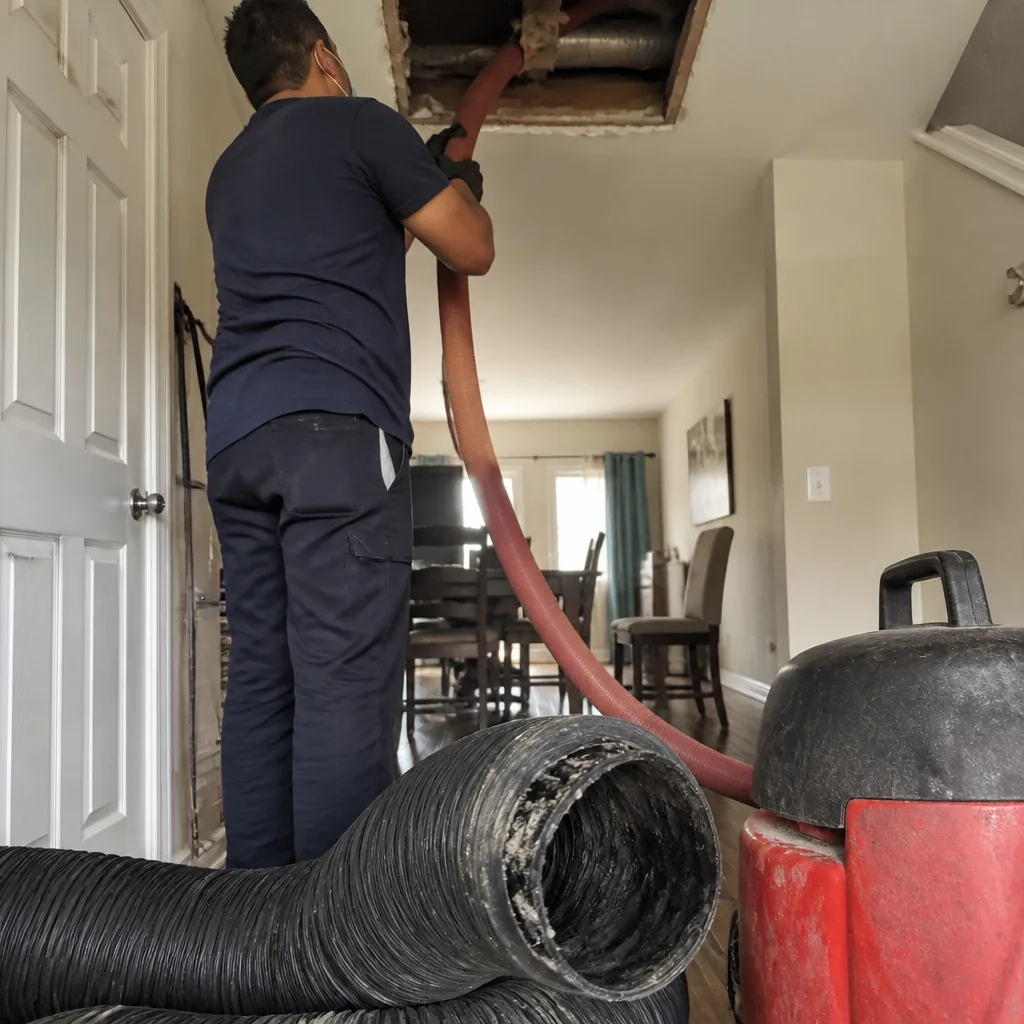 Before
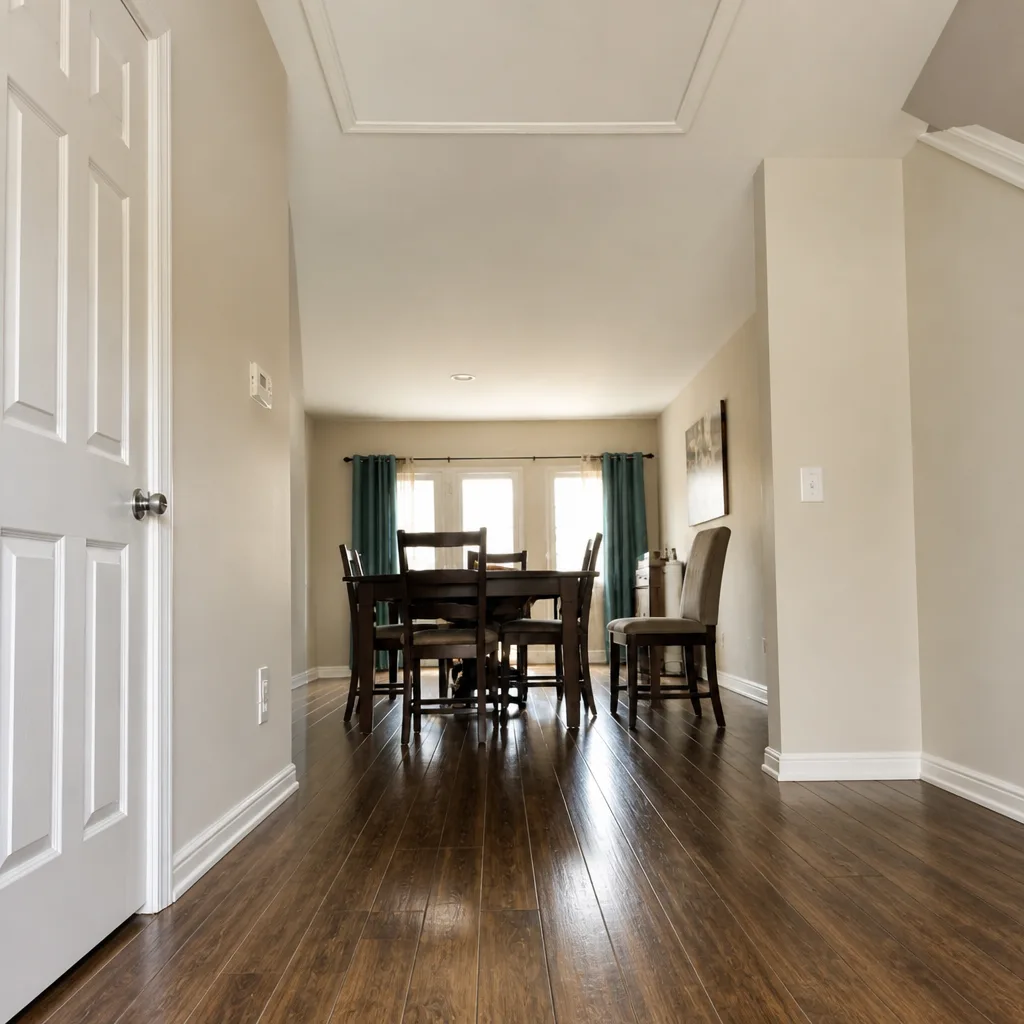 After
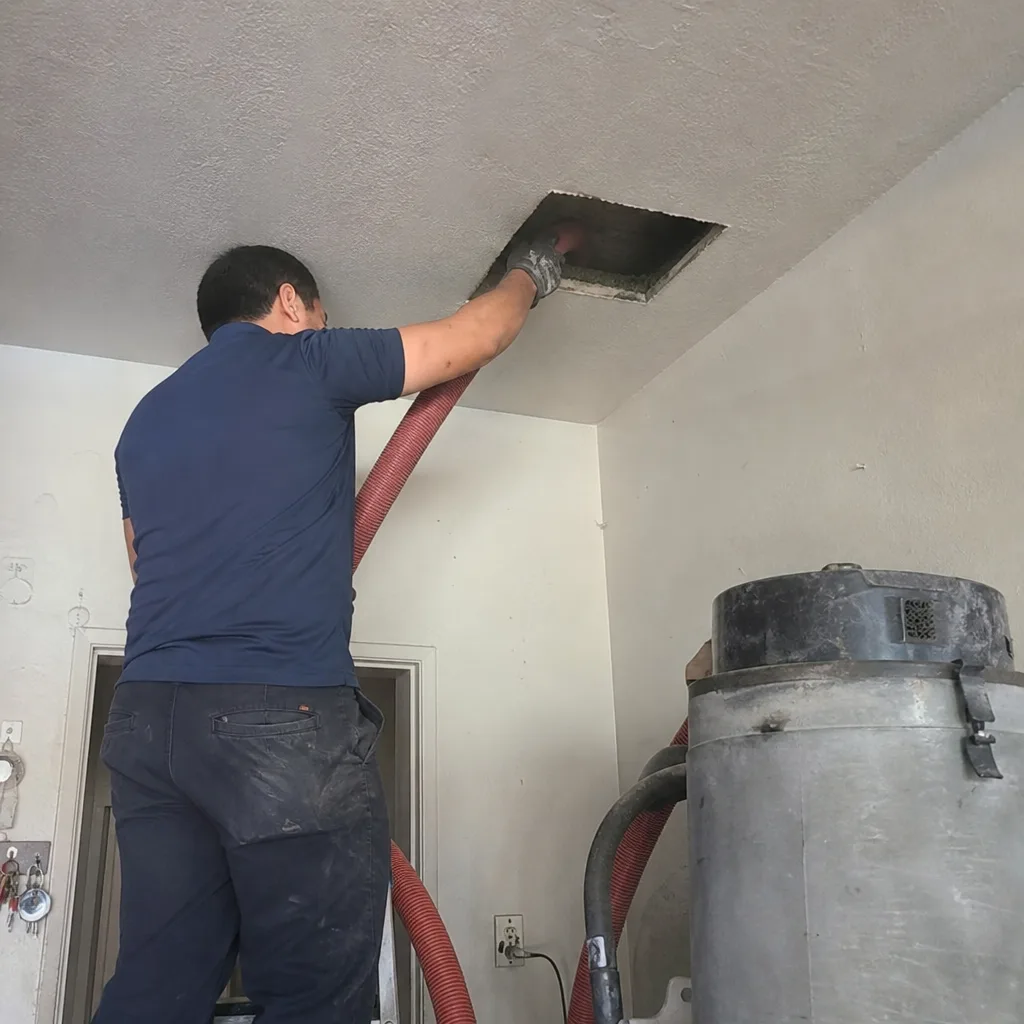 Before
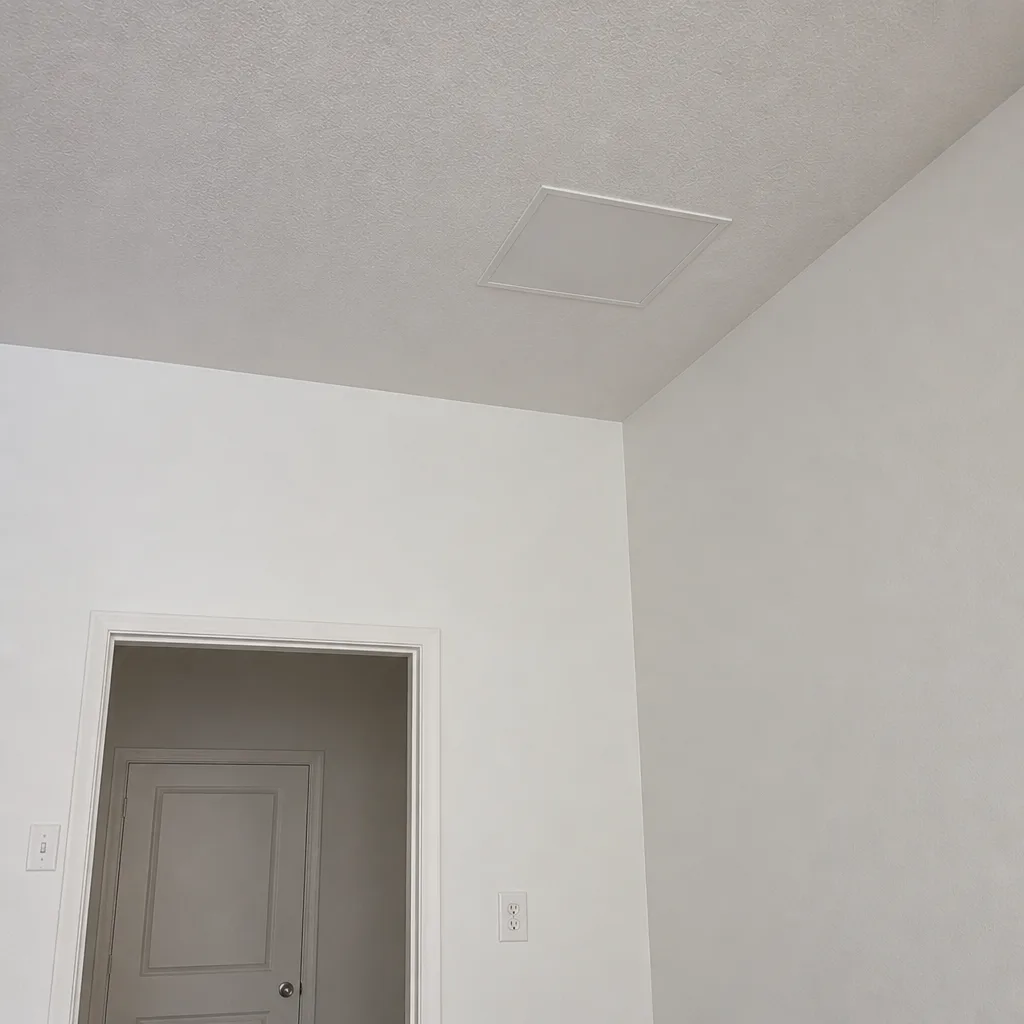 After
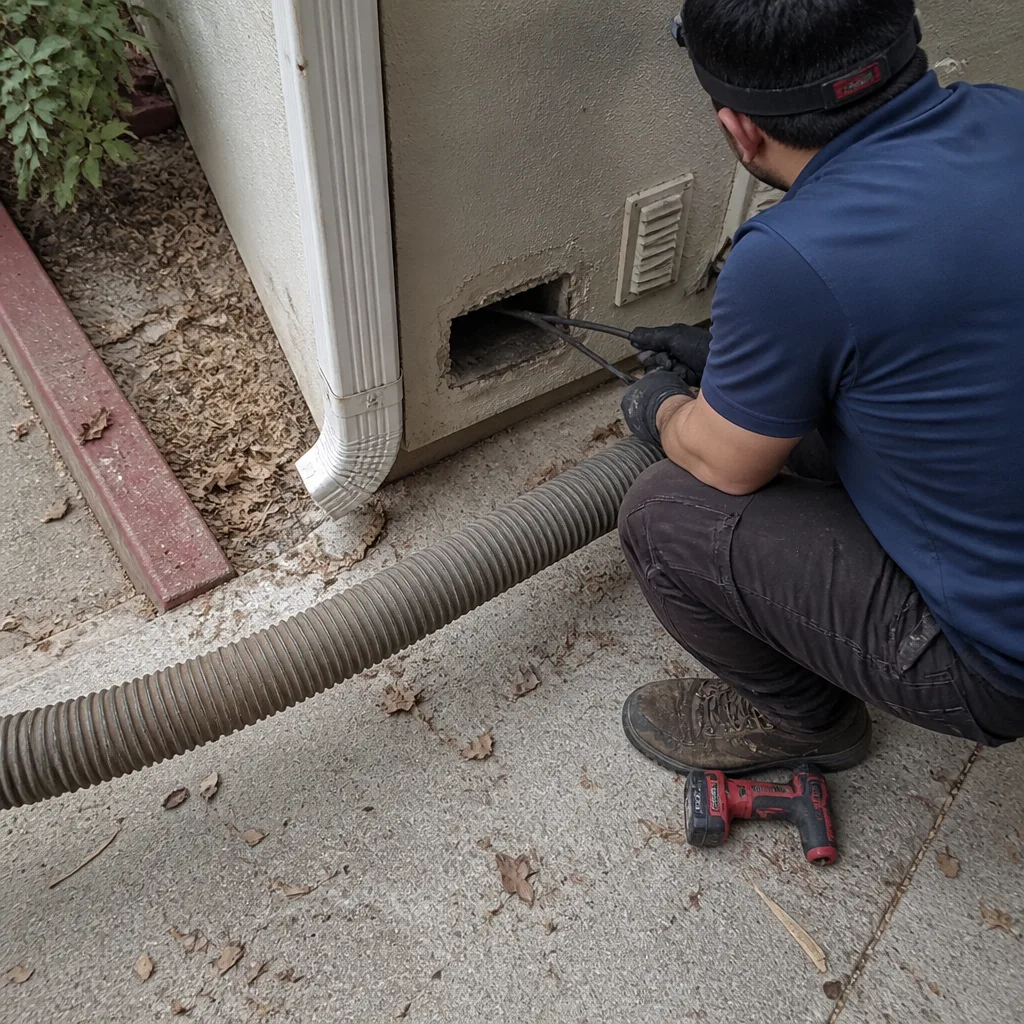 Before
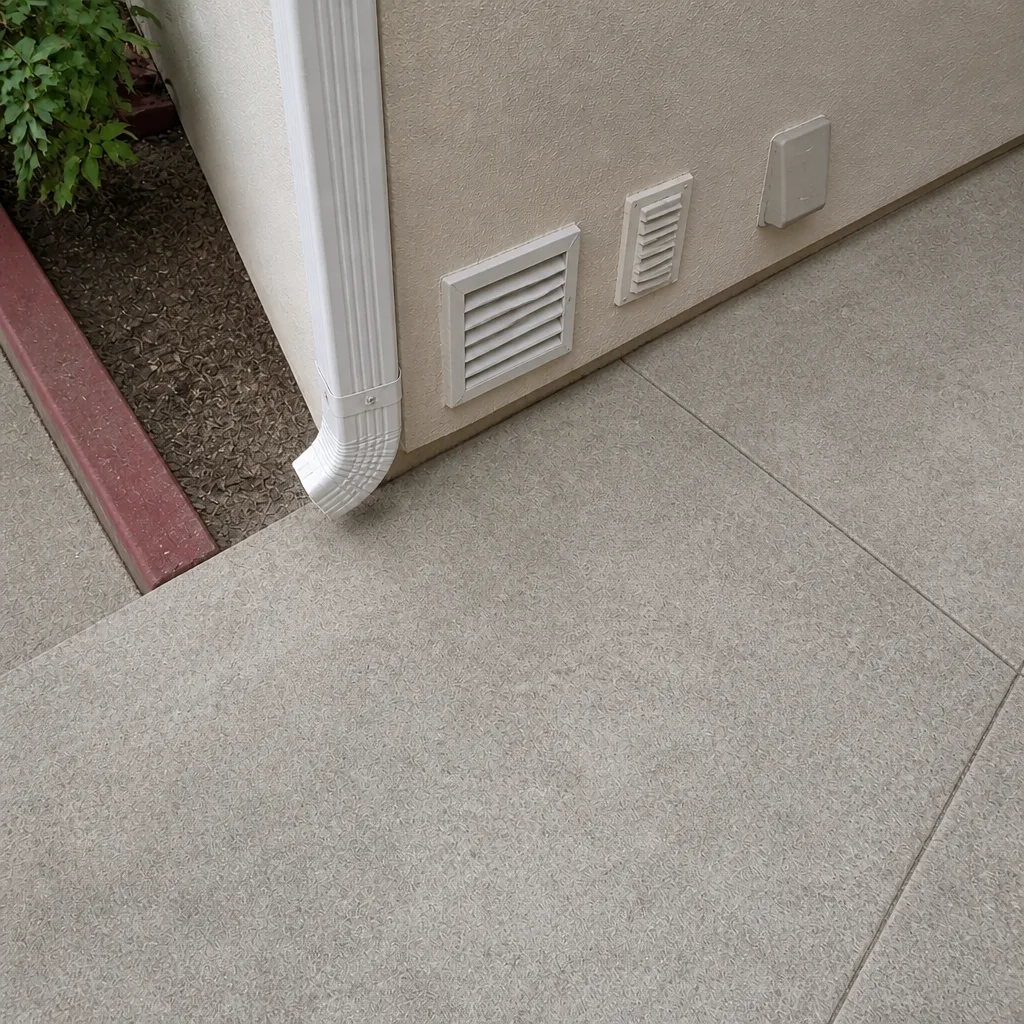 After
When to Call a Professional
Call a professional when the signals point to full-system involvement. That means visible buildup at registers, musty odors on airflow, allergy symptoms that track with HVAC use, recent renovation dust, a new pet in the home, or a move into a Westpark house with unknown maintenance history. It also applies when the dryer is taking longer to dry clothes than it used to, which is the simplest signal that the dryer vent needs attention before lint buildup becomes a fire concern. Call before the conditions compound. Once contaminant load is heavy in the coil and plenum, cleaning becomes more involved and the recovery is more expensive. Westpark Air Duct Cleaning offers free estimates in Westpark. Call (877) 820-9652. We answer 24/7. Fast dispatch from 7am to 7pm, Sunday through Friday.
Frequently Asked Questions
There’s no single number, and be cautious of anyone who quotes one before seeing your system. Legitimate pricing reflects property size, number of registers, condition of the coil and plenum, and whether duct repair or sealing is needed. The written estimate you receive after inspection is the price, and we quote the full scope before any work begins so the invoice doesn’t move. Call (877) 820-9652 for an exact quote; estimates are free.
Because the scope is smaller than it looks. A $99 quote rarely covers the air handler, coil, or plenum, and often the crew is using a shop vacuum rather than professional negative-pressure equipment. The price is low because the work is partial. Our Westpark Air Duct Cleaning quotes itemize every component so you can compare line by line. Call (877) 820-9652 and we’ll walk through what’s included.
Ask for before-and-after photographs of your own ducts, registers, and air handler. A contractor confident in their work takes photos before touching anything and again at the end. If a company resists providing photos or shows only stock images, the question has your answer. Call (877) 820-9652 to schedule a visit with photographic documentation.
Frequency depends on conditions, not the calendar. Pets, allergy sufferers, recent renovation, and visible buildup are the reliable signals. In Westpark, the mild climate means the system runs many hours per year, so particulate accumulates steadily. Two or more of those signals together usually justify a professional cleaning. Call (877) 820-9652 for a free assessment of whether yours is due.
NADCA’s ASCS credential verifies that the technician passed a written exam on system components, contamination, and cleaning standards, agreed to a code of ethics, and renews through continuing education. It is not a state license. When a company claims “certified,” the first question to ask is which body issued the certificate. Call (877) 820-9652 if you’d like us to walk through what our technicians are trained to do.
Yes, in addition to duct cleaning, HVAC cleaning, duct repair and sealing, and air quality sanitizing. The dryer vent is the highest fire-risk vent in the home, and a system that’s only inspected from the duct side leaves it out. Call (877) 820-9652 for a combined free estimate.
The Bottom Line
The duct cleaning industry in California doesn’t have a state license to filter out opportunists, which means the hiring decision rests entirely on the questions you ask and the paperwork you require. Ask which body issued their certification. Ask what equipment they bring and whether it includes negative-pressure vacuum and rotary agitation. Ask them to itemize the full air pathway, including blower, coil, plenum, trunk, and branches. Ask for a written estimate before work begins, and photograph-documented results at the end. Those four requirements eliminate the coupon operations and surface the contractors who do real work. If you’d like to start with a free estimate on your own system, call Westpark Air Duct Cleaning at (877) 820-9652. We answer 24/7. Fast dispatch from 7am to 7pm, Sunday through Friday.
Written by the team at Westpark Air Duct Cleaning.