
Last updated November 23, 2026
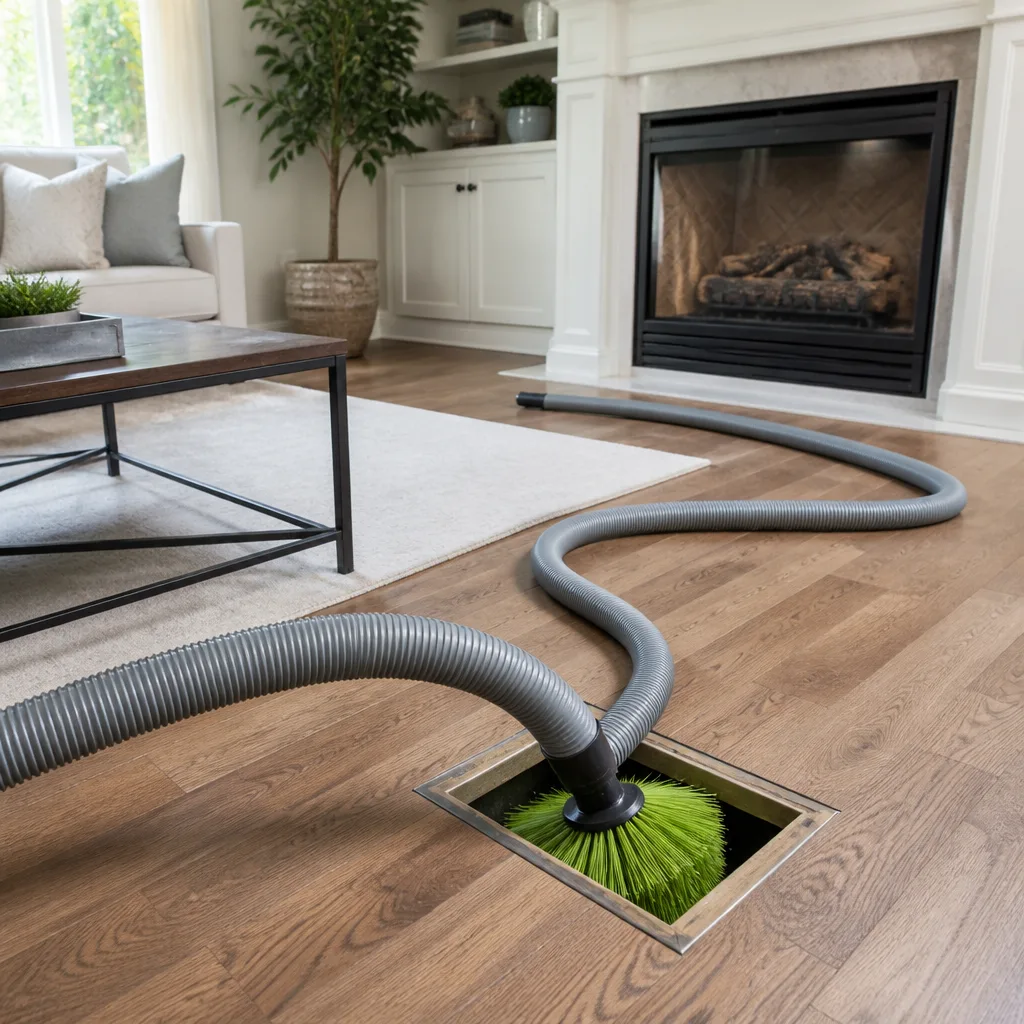 Whole-home duct cleaning
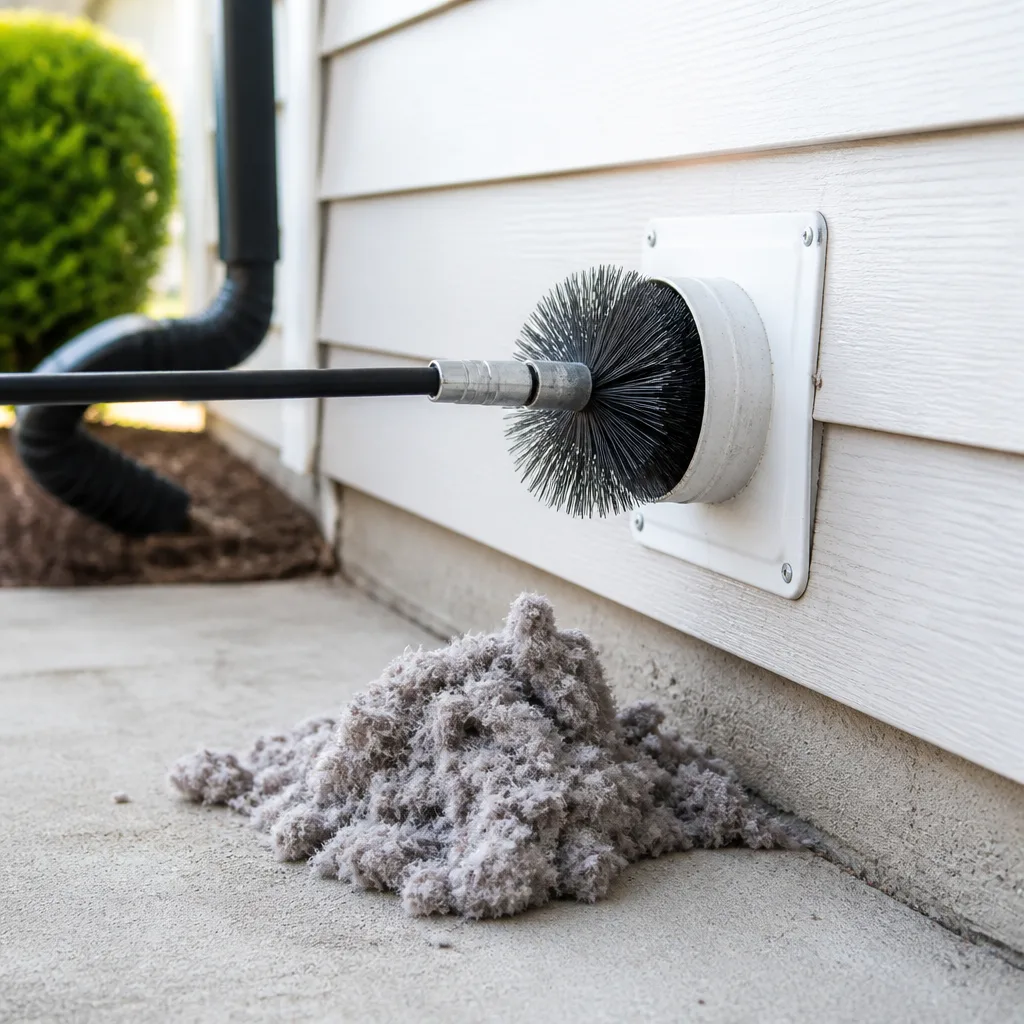 Dryer vent cleaning
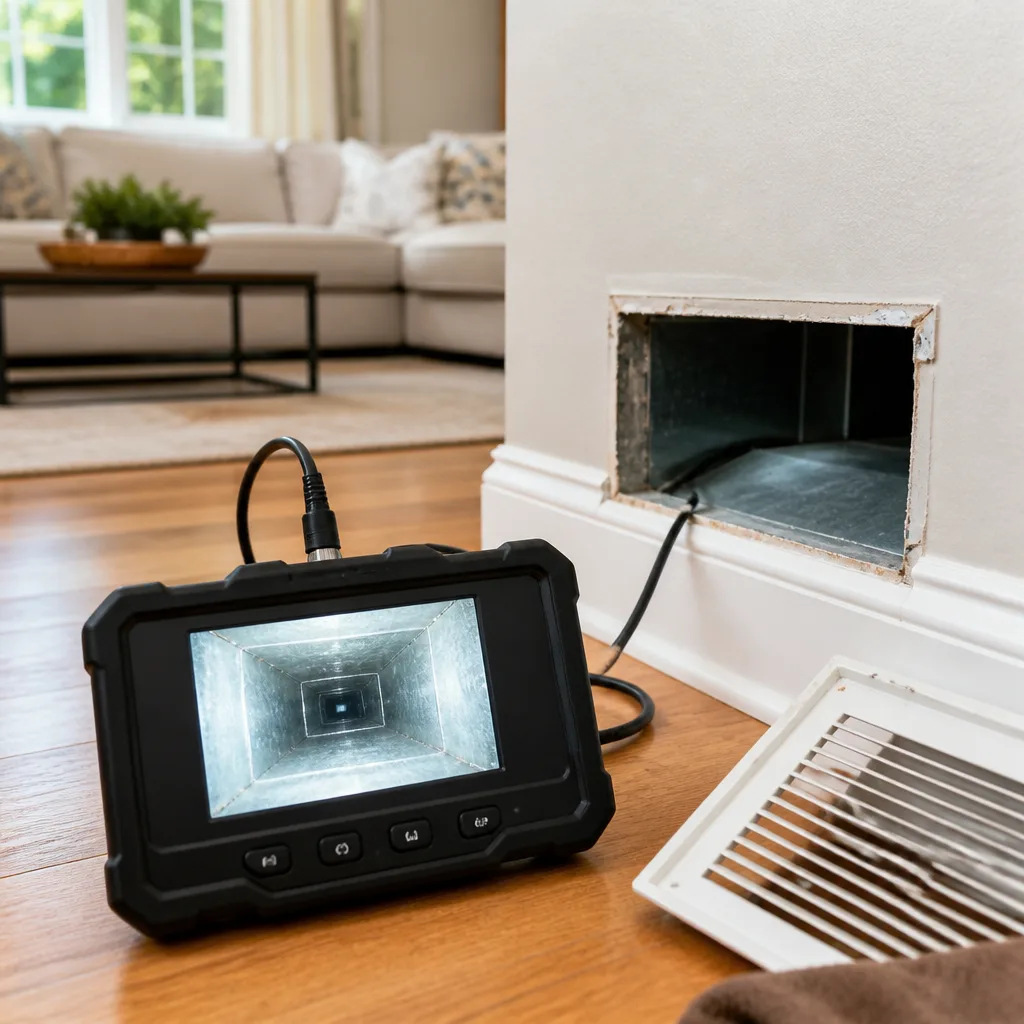 Camera inspection
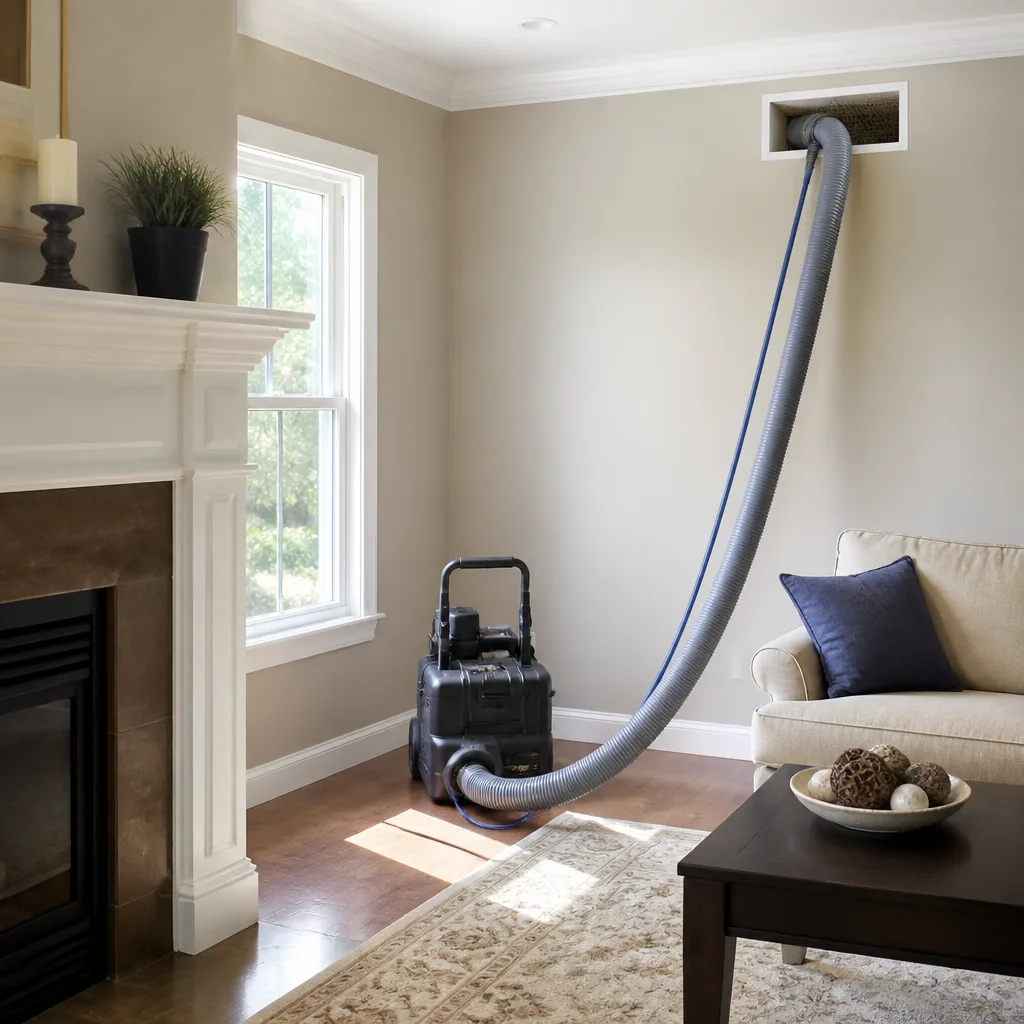 Sanitizing & deodorizing
Whole-system duct and dryer vent check with before-and-after photos - you see exactly what came out of your vents
That "$99 whole-house special" is a bait ad - the real number appears once they are in your hallway, or the "clean" is a shop-vac at the register. We photograph the inside of your ducts before and after instead.
Seasonal Air Duct Cleaning Care for Westpark: Year-Round Homeowner’s Guide
Most homeowners in Westpark book duct cleaning in October, once the worst of wildfire smoke season has passed. By then, the system has already pulled smoke particulate through every room for months, and the cleaning removes the evidence rather than the exposure. The timing feels responsible, but it works backwards. This guide walks through the four air quality pressures that shape a Westpark home across the year – wildfire smoke season, agricultural dust, winter heating startup, and the spring HVAC transition – and explains what each one deposits in your ductwork, what it means for your family’s air, and when to schedule service so you’re ahead of the problem instead of behind it. Westpark Air Duct Cleaning built this calendar-based approach because a yearly clean means something different in a region with this much seasonal load.
Quick Answer
Air duct cleaning in Westpark works best on a calendar that mirrors the local environment: clean before wildfire smoke season peaks (late spring), before first AC use (early summer), before furnace startup (early fall), and after any major dust or smoke event. A single annual cleaning scheduled around those transition points does far more than a random yearly appointment. Westpark Air Duct Cleaning recommends two cleanings in heavy smoke years and one well-timed cleaning in quieter ones.
Styles & brands we work with
- Whole-home duct cleaning
- Dryer vent cleaning
- Camera inspection
- Sanitizing & deodorizing
Table of Contents
- The Four Seasonal Air Quality Pressures in Westpark
- Why Pre-Summer Cleaning Before First AC Use Matters
- How Wildfire Smoke Interacts With Duct Liner and Filter Media
- Winter Furnace Startup Checks That Should Precede Heating Season
- Using AQI Data to Time Cleaning and Filter Upgrades
- The Westpark Duct Care Calendar: A Month-by-Month Guide
- Dryer Vent Cleaning and the Fire Risk You Can Actually Prevent
- Common Mistakes to Avoid
- When to Call a Professional
- Frequently Asked Questions
The Four Seasonal Air Quality Pressures in Westpark
Westpark sits in a part of California where air quality is shaped less by deep winter cold than by dry-season smoke and surrounding agricultural activity. Those seasonal forces leave different signatures in your ductwork, which means one generic annual cleaning doesn’t address all of them equally. Here’s what each season contributes.
1. Wildfire smoke season (roughly late spring through fall)
Dry, warm months bring wildfire smoke into the region on prevailing winds. Even when you keep windows shut, your HVAC system draws outdoor air through the return, and fine smoke particles lodge in duct liner, filter media, and interior duct surfaces. The residue is not always visible, but it carries an odor and clings to porous materials.
2. Agricultural dust (peaks with surrounding field activity)
Westpark’s surroundings include working farmland. During soil preparation and harvest periods, fine dust drifts through the area. This isn’t the coarse dust of a remodel – it’s a silt-fine particulate that builds up slowly in the return side of the system and in register grilles. It’s easy to overlook because it doesn’t announce itself.
3. Winter heating startup (first cold snap of the season)
When the furnace fires up for the first time after months of inactivity, it pushes accumulated dust, lint, and any settled smoke residue through the home. This is one of the most predictable indoor air quality events of the year, and it’s almost entirely preventable with service timed ahead of it.
4. Spring HVAC transition (switch from heat to cool)
When you switch from heating to cooling, the system’s airflow direction and demand change. Coils and cabinet areas that sat dry through winter now collect condensate, and any debris left in the system can become a growth medium rather than just dust. The transition is the right moment to clean and inspect before that wet season of the system begins.
Westpark Air Duct Cleaning plans service around these four pressures because treating them as a single yearly event misses the point. Each one affects the system differently, and each one has an optimal cleaning window.
Why Pre-Summer Cleaning Before First AC Use Matters
The most common mistake we see in Westpark is cleaning the ducts in autumn, after summer has already pushed everything through the house. By the time June arrives, a typical Westpark system holds a winter’s worth of settled dust plus the first wave of smoke-season particulate. When you turn on the AC for the first cooling run, the blower moves all of that air through every register in the home on the very first cycle.
Pre-summer cleaning avoids that. Here’s how the timing works in practice:
- Inspect and clean the duct system in late spring, before the first sustained cooling demand. This clears winter residue, settled dust, and early smoke particulate before the system starts moving large volumes of air.
- Replace the filter at the same time as the cleaning, not before. A fresh filter placed before cleaning catches dislodged debris; placed after, it starts clean.
- Check the return plenum and register grilles, which collect the most visible dust and are usually the easiest diagnostic for how loaded the rest of the system is.
- Run the AC for a short cycle after cleaning to confirm airflow at each register and to check for any leakage at joints that showed up under load.
The payoff is simple: the first cooling cycle of the season moves clean air through the home instead of a season’s worth of accumulated debris. Westpark Air Duct Cleaning uses Rotobrush rotary-brush systems and Nikro HVAC vacuum equipment on these pre-season cleanings, because consumer-grade vacuums stir up more than they capture. Abatement Technologies air filtration runs on-site during the service to contain what the cleaning dislodges rather than redistribute it into the room.
How Wildfire Smoke Interacts With Duct Liner and Filter Media
Wildfire smoke is not uniform. It carries fine particulate, combustion gases, and volatile organic compounds, and each of those behaves differently inside a duct system. The behavior matters because it determines whether a standard cleaning is sufficient.
What smoke does to duct liner
Many ducts are lined with fibrous acoustic or thermal material. That liner is porous by design – it has to absorb sound and heat – which means fine smoke particulate can penetrate below the surface. A surface vacuum removes what sits on top; it doesn’t necessarily reach what absorbed into the liner during a sustained smoke event. For homes that experienced weeks of heavy smoke exposure, standard cleaning may not be enough, and the liner itself may need to be evaluated for replacement.
What smoke does to filter media
Standard fiberglass or low-MERV filters are not designed for smoke. They catch larger particles but pass fine smoke particulate, which then deposits in the ductwork and on the blower. A higher-MERV filter helps, but it also loads faster during smoke season. That’s the trade-off to plan for.
What a heavy smoke event actually leaves behind
- Odor embedded in the duct liner, most noticeable when the system first turns on
- Fine grey or brown film on register grilles and return covers
- Visible dust plume at registers on the first heating or cooling cycle after the event
- Faster filter loading – filters that lasted weeks now clog in days
After a heavy smoke event, we recommend a full-system evaluation rather than a standard cleaning. If the liner has absorbed smoke, surface cleaning removes the visibility but not the residual odor or the exposure. Guardsman-grade treatment products in sanitizing applications help with the residual load on hard surfaces, and an Aprilaire or Honeywell filtration upgrade at the air handler reduces how much of the next smoke event reaches the ducts at all.
Winter Furnace Startup Checks That Should Precede Heating Season
Westpark winters are mild, but the furnace still runs, and the first startup of the season is when accumulated dust, lint, and any settled smoke residue from the past six months get pushed through every room. Getting ahead of that transition is one of the highest-value preventive steps a Westpark homeowner can take.
Before you first fire the furnace for the season, these are the checks worth paying attention to:
- Schedule a duct and HVAC cleaning in early fall, ideally late September or early October, before the first cold snap. This clears the settled dust from the cooling season and the early smoke exposure before it’s reheated and recirculated.
- Have the heat exchanger inspected by a qualified HVAC technician at the same time. A cracked heat exchanger can introduce combustion gases into the airstream, and this is a check that belongs in every heating-season preparation. We flag it because it’s the one part of furnace startup that shouldn’t be DIY, and duct cleaning only addresses the airstream side – the combustion side needs its own inspection.
- Replace the filter after cleaning, not before, so the new filter starts clean and catches the last trace of dislodged debris.
- Check for gaps or disconnected joints at the furnace plenum and supply trunks. These are the spots where a mild season still produces enough differential for leakage, and they’re easiest to fix when the system is already open for cleaning.
- Test airflow at each register after the first heating cycle. Weak airflow at any register is a signal, either a blockage, a leak, or a duct that has separated at a joint.
Duct repair and sealing belongs in this winter-prep step because a leaking system isn’t truly clean. If dust is escaping through a gap in the supply trunk, the cleaning removed the dust that was already inside; it didn’t stop the next dust from spreading into the same space. Westpark Air Duct Cleaning handles HVAC cleaning and duct sealing together for that reason.
Using AQI Data to Time Cleaning and Filter Upgrades
The Air Quality Index is one of the most underused tools a Westpark homeowner has for planning duct service. Instead of waiting for a cleaning to feel overdue, you can watch the AQI pattern across the year and schedule around it.
Here’s how to turn AQI monitoring into action:
- Watch for sustained AQI spikes, not single bad days. A few hours of elevated AQI is normal; a week or more of sustained readings above the moderate range is when significant particulate loads the system.
- Note the timing of the spike relative to your last cleaning. If the system was cleaned before the spike, the ducts were clean when the smoke arrived and the load is lower. If the spike preceded the cleaning, the ducts absorbed it.
- Track filter load during spikes. If you’re replacing the filter more often than usual, the system is working harder than it should. That’s a signal both for filter upgrades and for scheduling a cleaning.
- Plan filter upgrades before smoke season, not during it. Upgrading to a higher-MERV filter in late spring positions you for the smoke season ahead. Upgrading in July, mid-spike, means paying full attention to a problem that’s already happening.
- Log heavy smoke events separately. A single major event can justify a cleaning on its own, even if it comes shortly after a scheduled service.
An Aprilaire or Honeywell filtration upgrade at the air handler is the most direct way to reduce the volume of smoke particulate that reaches the ducts at all. The air duct cleaning side then handles what gets through. Combining the two – upgraded filtration plus well-timed cleaning – is far more effective than either alone.
The Westpark Duct Care Calendar: A Month-by-Month Guide
Here’s how the four seasonal pressures translate into a practical yearly plan. Treat the months as approximate windows, since every year’s wildfire and dust patterns run slightly differently, but the sequence holds:
Late spring (May-June)
- Full-system duct cleaning before first AC use
- Filter replacement after cleaning
- Filtration upgrade (Aprilaire or Honeywell) if you’re planning one for the year
Summer (July-August)
- Monitor filter load during peak smoke season
- Replace filters more frequently during sustained AQI spikes
- Note register airflow – if any register weakens, note it for the fall inspection
Early fall (September-October)
- Duct and HVAC cleaning before furnace startup
- Heat exchanger inspection by a qualified HVAC technician
- Duct sealing for any gaps identified during the cleaning
- Filter replacement after cleaning
Winter (November-February)
- Watch for odor on startup or any visible dust plume at registers – both are signals the cleaning was incomplete or the liner holds residual smoke
- Schedule an additional cleaning if the smoke season was especially heavy
Spring transition (March-April)
- Inspect for condensation issues as the system switches from heat to cool
- Dryer vent cleaning check even if you haven’t touched the dryer
- Plan the late-spring cleaning that starts the cycle again
For homeowners who follow only one step of this calendar, the late-spring cleaning before first AC use is the most valuable. It closes the loop on winter residue and early smoke exposure in the one step that runs before the system starts moving large volumes of air.
Dryer Vent Cleaning and the Fire Risk You Can Actually Prevent
Dryer vents are not part of the air distribution system, but they’re part of the same household air and the same fire-safety picture, and in Westpark they deserve their own slot on the seasonal calendar. Lint buildup in the vent line is the leading cause of household dryer fires, and it’s the one cause on this list that is entirely preventable with routine service.
What to watch for between cleanings:
- Clothes taking longer than usual to dry on the same cycle setting
- The dryer body feeling hotter to the touch than usual during a cycle
- A musty or smoky odor in the laundry area during or after drying
- Visible lint around the outside vent flap, or a flap that no longer opens fully
- A dryer that shuts off mid-cycle repeatedly, which on some models indicates restricted airflow
Dryer vent cleaning alongside dryer vent cleaning – done with the same professional equipment used on the duct system, not a consumer brush kit – clears the line and lets you confirm it’s actually clear. It’s a quick step, and it addresses a documented fire-safety hazard rather than just a comfort problem. We recommend a check once a year, and more often in homes with heavy laundry volume or long vent runs.
See the difference
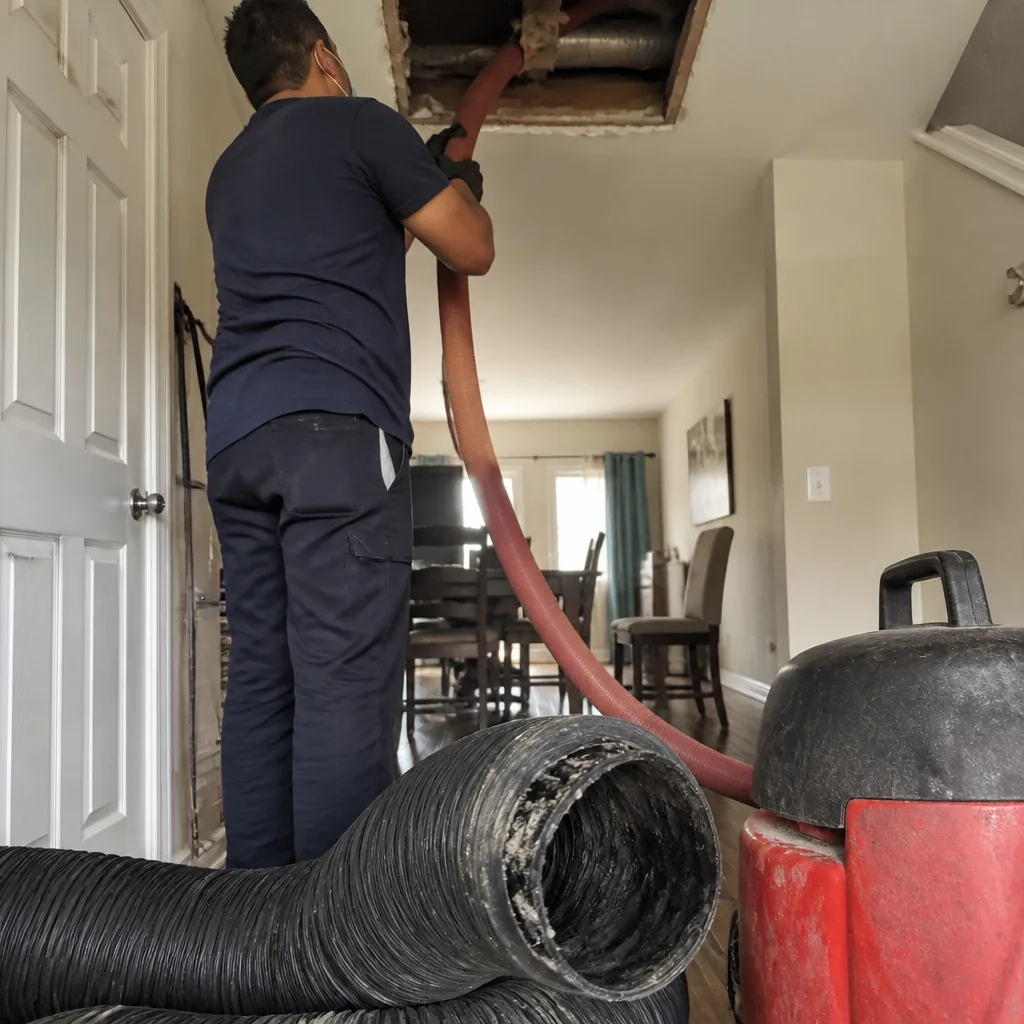 Before
 After
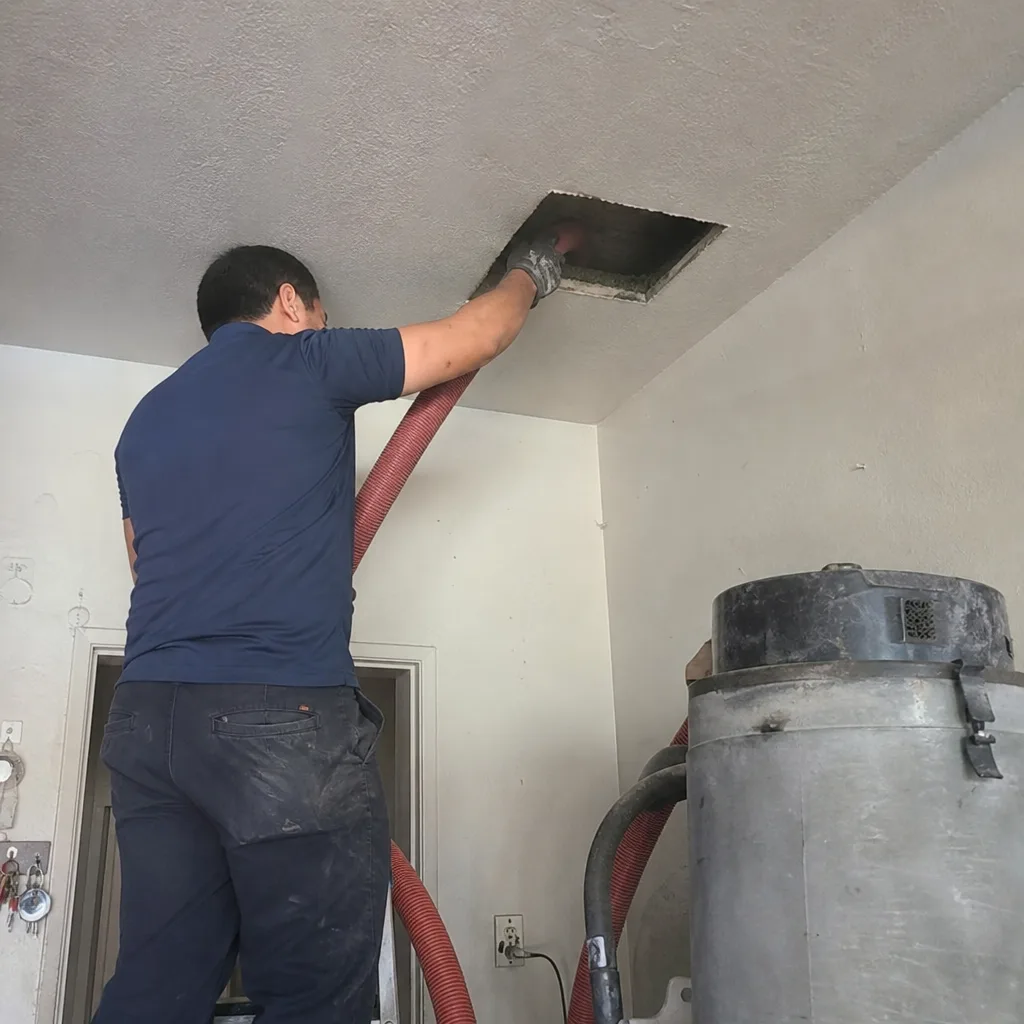 Before
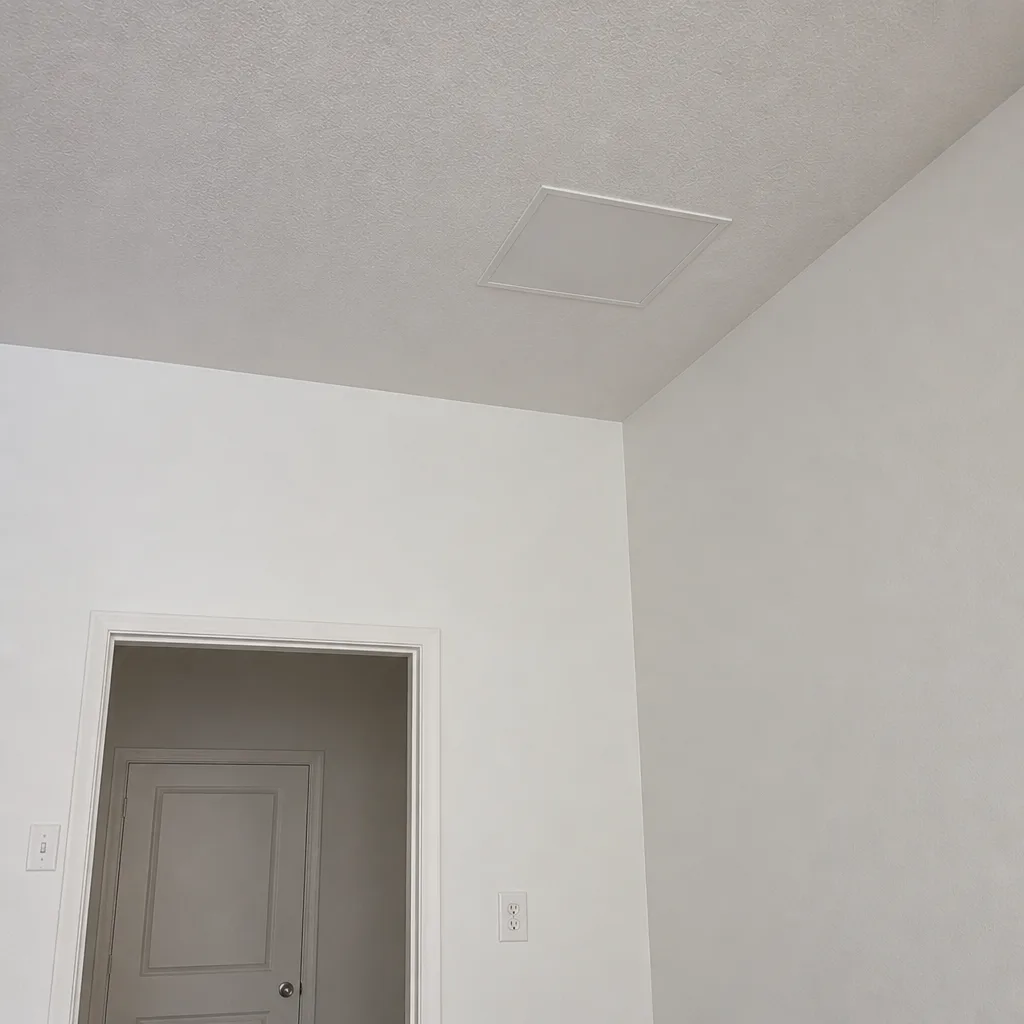 After
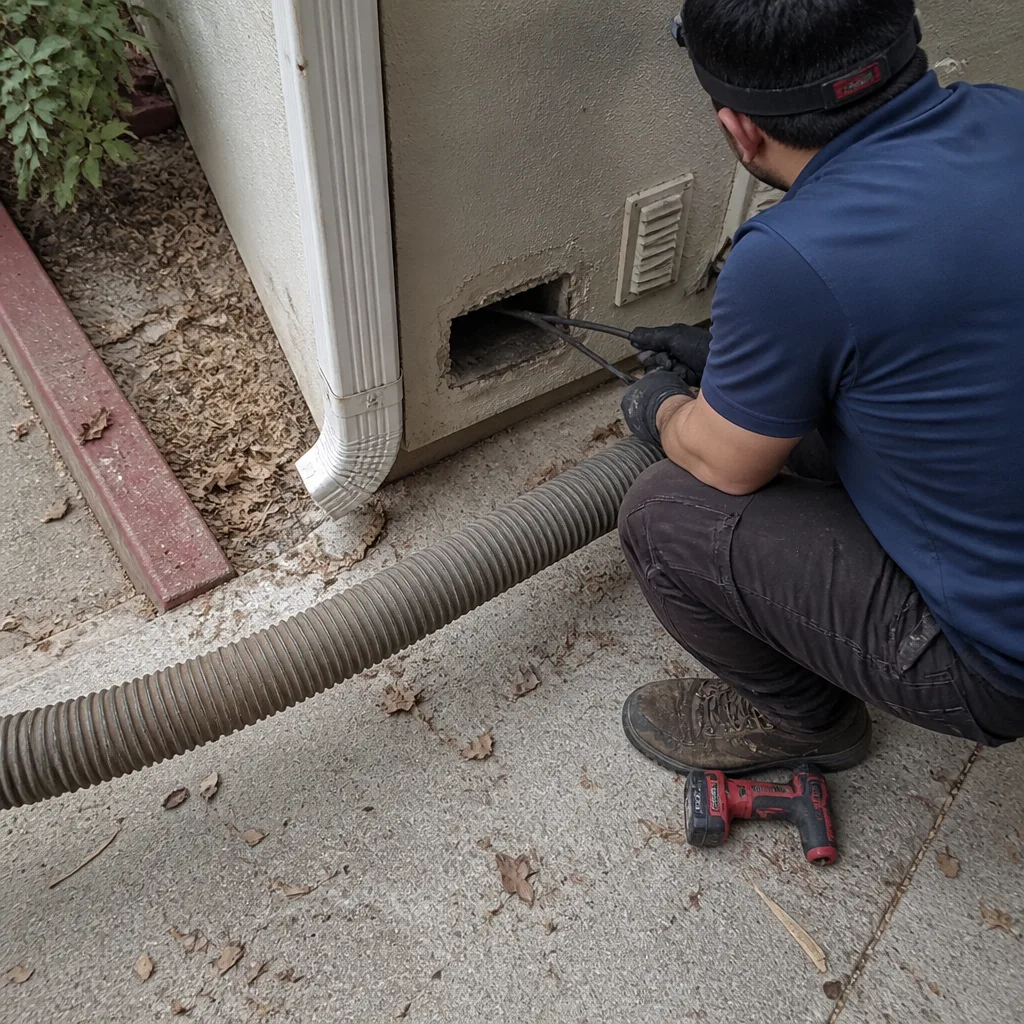 Before
 After
Common Mistakes to Avoid
- Scheduling only after smoke season, not before it. A cleaning in October means the ducts carried smoke particulate all summer. Booking in late spring puts the cleaning ahead of the load instead of behind it.
- Skipping the filter change until after cleaning. Old filters catch dislodged debris. Fresh filters start clean. The filter should be replaced after cleaning, not before.
- Ignoring the return side. The return plenum and register grilles show visible dust first. If the return is loaded, the rest of the system is usually worse than the supply registers suggest.
- Treating a heavy smoke event with a standard cleaning. If the liner has absorbed smoke residue, surface suction won’t fix the odor or the exposure. A full system evaluation is the right response after weeks of heavy smoke.
- Skipping duct sealing because the cleaning was done. A clean system with open joint leaks will re-contaminate itself. Cleaning without sealing leaves the root cause in place.
- Forgetting the dryer vent in favor of the HVAC ducts. Lint buildup is a documented fire hazard and the check is quick. A calendar that skips the dryer vent misses one of the highest-consequence checks available.
- Letting a year go by without any duct service in a hot, dry year. Westpark’s smoke and dust load isn’t uniform across years. A heavy smoke year warrants a second cleaning; a quiet year may not.
When to Call a Professional
Some duct maintenance is a homeowner task – filters, register cleaning, visual checks. A few signals mean it’s time to have the system looked at by a professional: visible dust plume at registers on the first heating or cooling cycle, persistent odor when the system turns on, uneven airflow between registers, or any recent heavy smoke or renovation event. If your last cleaning was more than a year ago and you’ve been through a smoke season since, that’s also worth a call. Duct sealing and heat exchanger checks are not DIY tasks either, and both belong in a professional service visit.
Westpark Air Duct Cleaning offers free estimates in Westpark. Call (877) 820-9652. We answer 24/7. Fast dispatch from 7am to 7pm, Sunday through Friday. The estimate is written before any work is agreed, the price is set per job by the written estimate, and the local professionals are licensed and insured as their state requires.
Frequently Asked Questions
Once a year is the baseline for most Westpark homes, with two cleanings in years when wildfire smoke exposure is heavy or when the home has been through a major renovation. The timing matters more than the frequency: a well-timed late-spring cleaning does more for indoor air than two random appointments. Call (877) 820-9652 for an exact quote – estimates are free.
Not necessarily, but damage depends on how long the smoke sat in the system and what the duct liner is made of. Fine smoke particulate can absorb into fibrous liner, and at that point surface cleaning won’t fully remove it. A professional evaluation after a heavy smoke event is the right call. Westpark Air Duct Cleaning uses Abatement Technologies filtration on-site to contain dislodged contaminants during service. Call (877) 820-9652 – estimates are free.
It’s not too late, but the outcome is different. A post-season cleaning removes the smoke residue; it doesn’t prevent the exposure that already happened during the season. If you’re going to time only one cleaning, put it in late spring before the smoke arrives. Call (877) 820-9652 for an exact quote.
Cleaning removes what’s inside the ducts; sealing fixes the gaps and joints where dust re-enters the system. Cleaning alone leaves a leaky duct re-contaminating itself, which is why Westpark Air Duct Cleaning offers duct repair and sealing alongside cleaning. Both matter, and the written estimate should spell out what’s included for each. Call (877) 820-9652 – estimates are free.
Higher-MERV filters capture more of what smoke passes through, but they also load faster and can restrict airflow more than a lower-rated filter. The right rating depends on your equipment. Upgrade before smoke season, not during it, so the system is ready for the load. Westpark Air Duct Cleaning supplies and installs Honeywell and Aprilaire filtration products that match the equipment. Call (877) 820-9652 for an exact quote.
Westpark’s climate is milder than the four-season model most duct cleaning guides assume. The relevant seasonal pressures here aren’t deep cold, but dry-season smoke and agricultural dust, plus the winter heating and spring transition that any home has. The calendar should be built around smoke and dust first, cold second. Call (877) 820-9652 – estimates are free.
The Bottom Line
The best time to clean ducts in Westpark is before the air quality problem arrives, not after. A late-spring cleaning ahead of the first AC cycle and a clean-and-inspect visit before furnace startup handle most of the yearly load. In heavy smoke years, add a second cleaning after the season and consider a filtration upgrade before the next one starts. Duct sealing closes the re-contamination loop; dryer vent cleaning closes the fire-safety one. The system is meant to keep working year round – the calendar should keep up with it.
If you want the full Westpark picture – system inspection, cleaning, sealing, sanitizing, and filtration planning – call (877) 820-9652 for a free estimate. One flat price per system agreed before work starts, before-and-after photos of your own ducts, and a written estimate that sets the final price. Our technicians have up to 12 years of experience. Learn more at Westpark Air Duct Cleaning.
Written by the team at Westpark Air Duct Cleaning.