
Last updated November 23, 2026
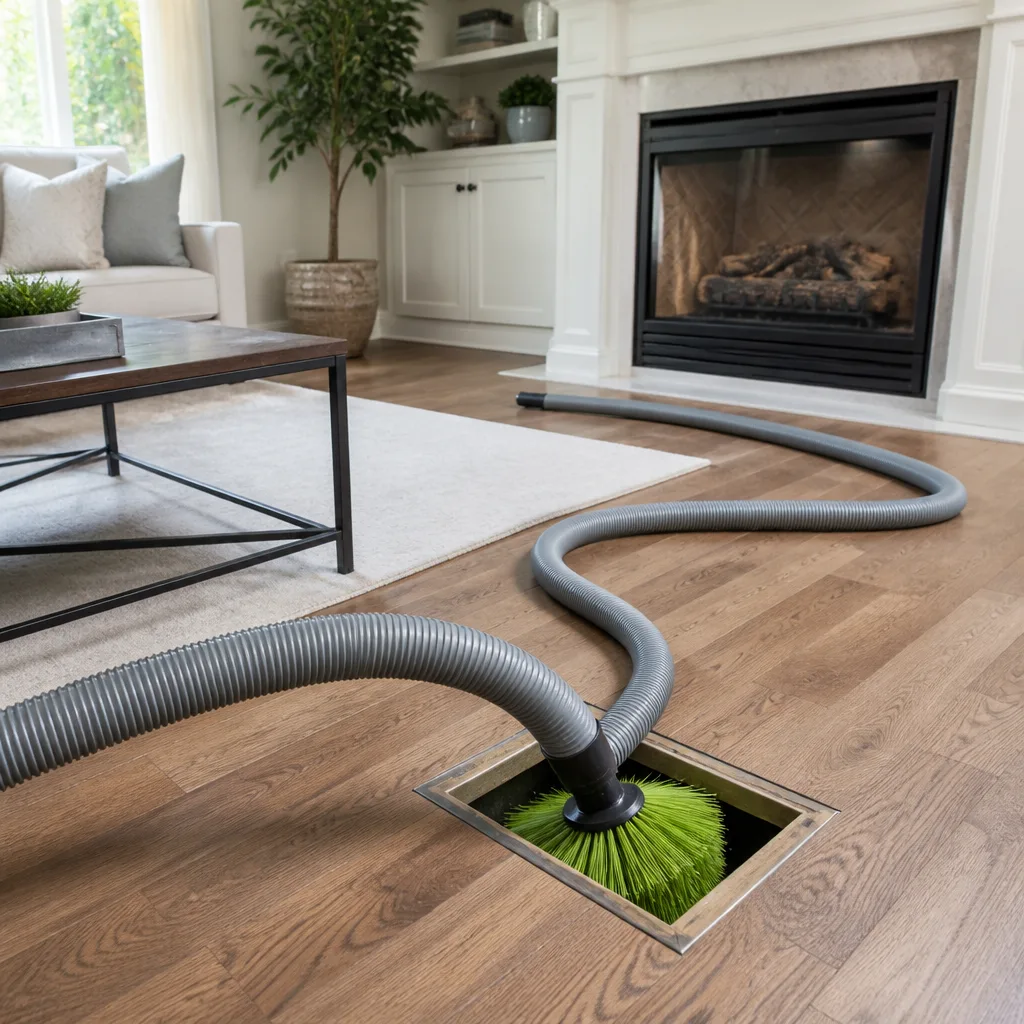 Whole-home duct cleaning
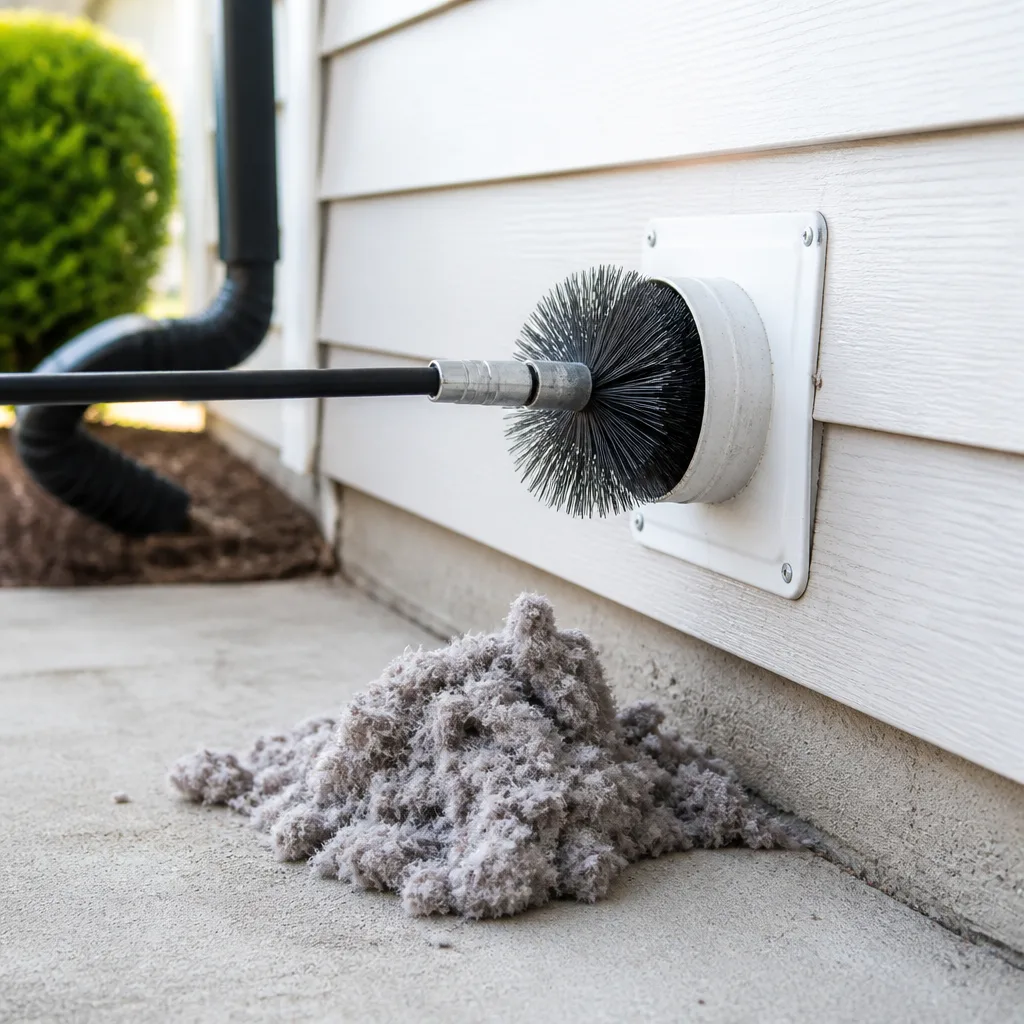 Dryer vent cleaning
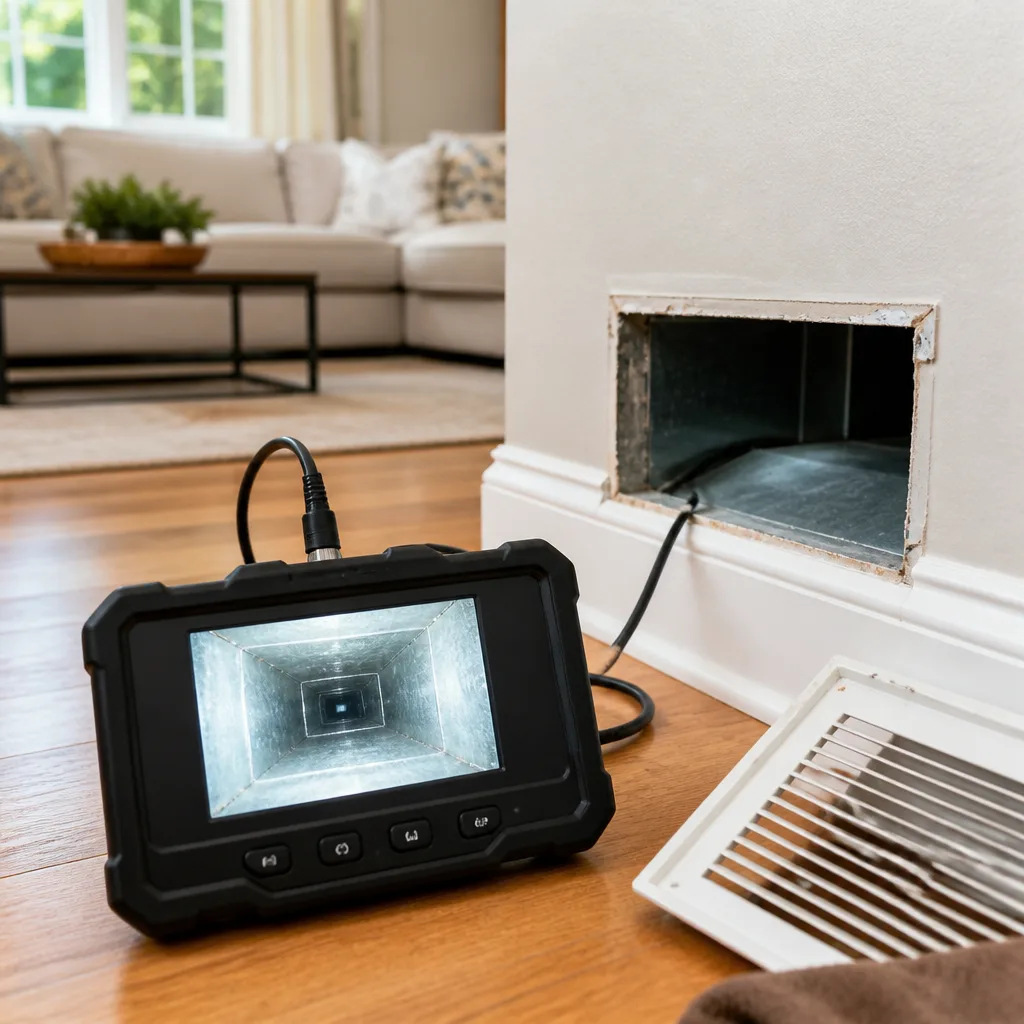 Camera inspection
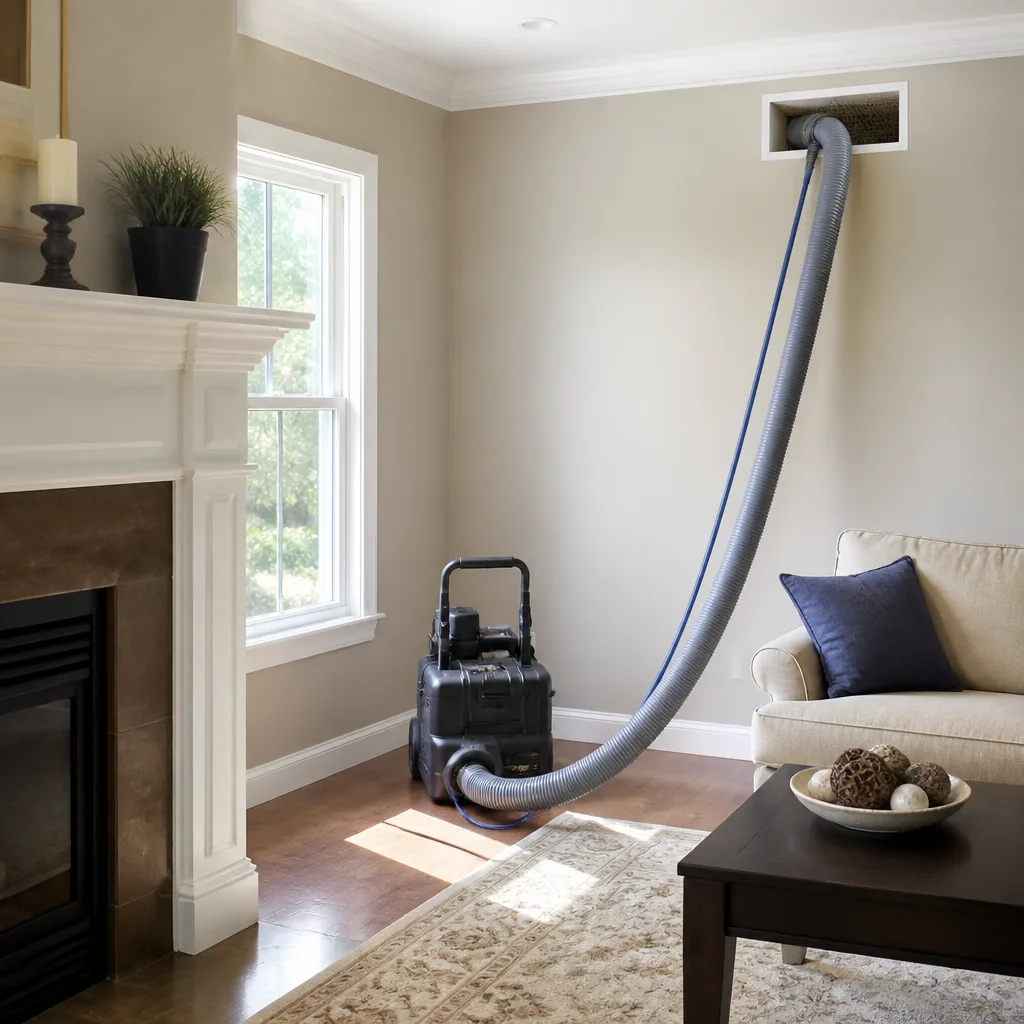 Sanitizing & deodorizing
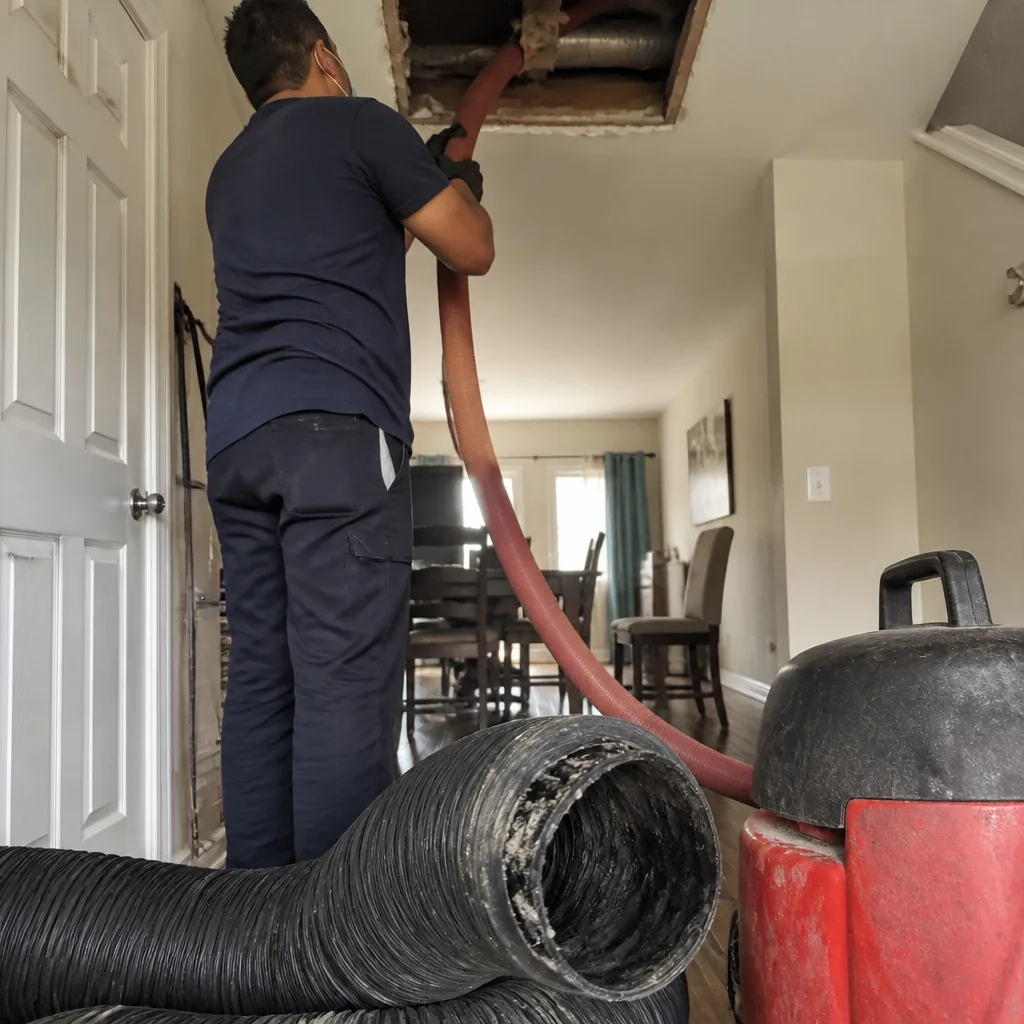
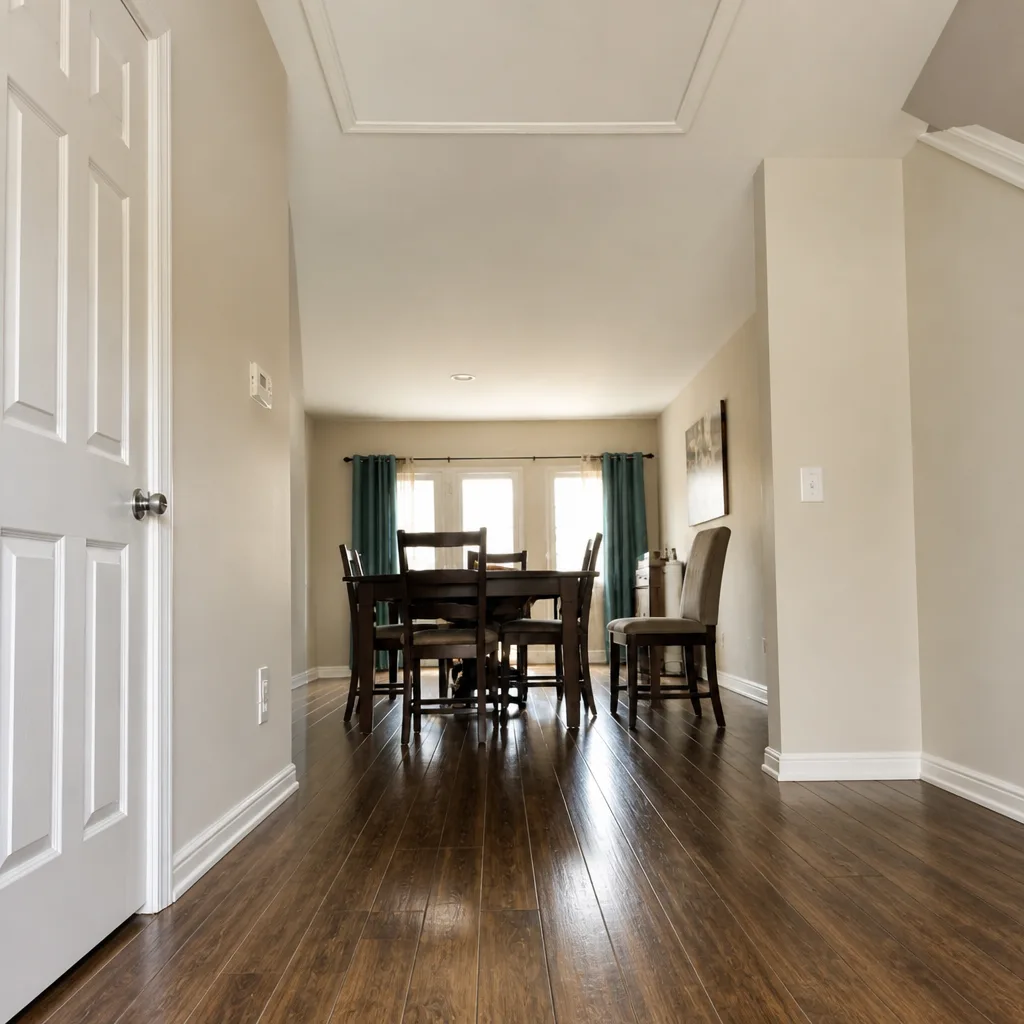
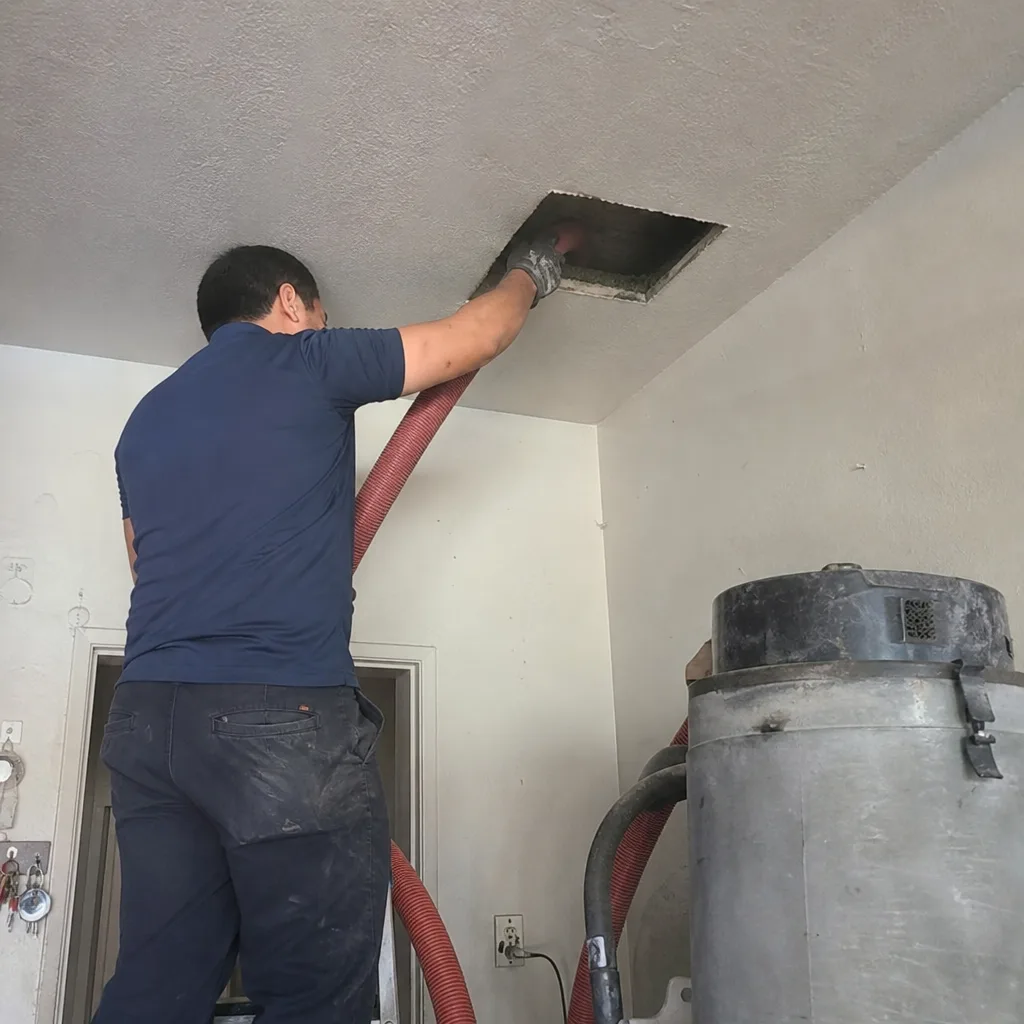
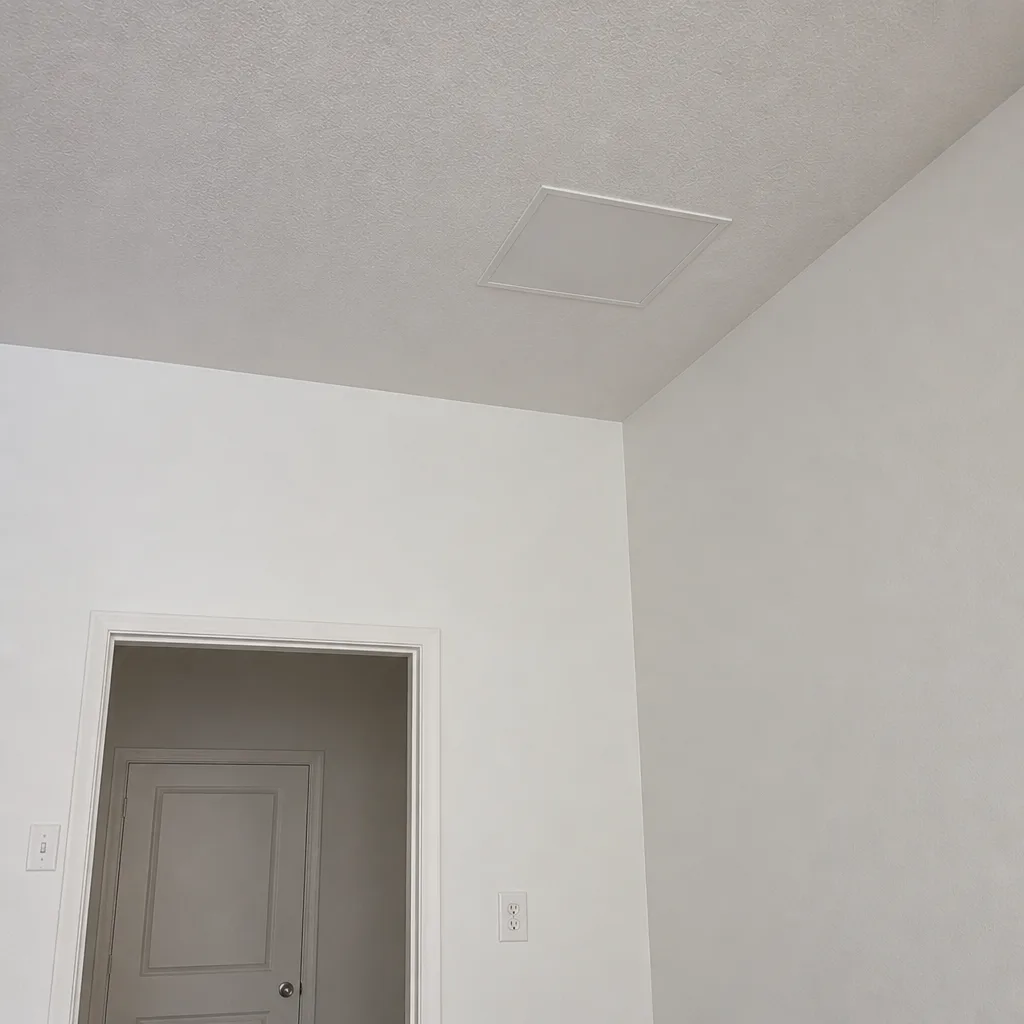
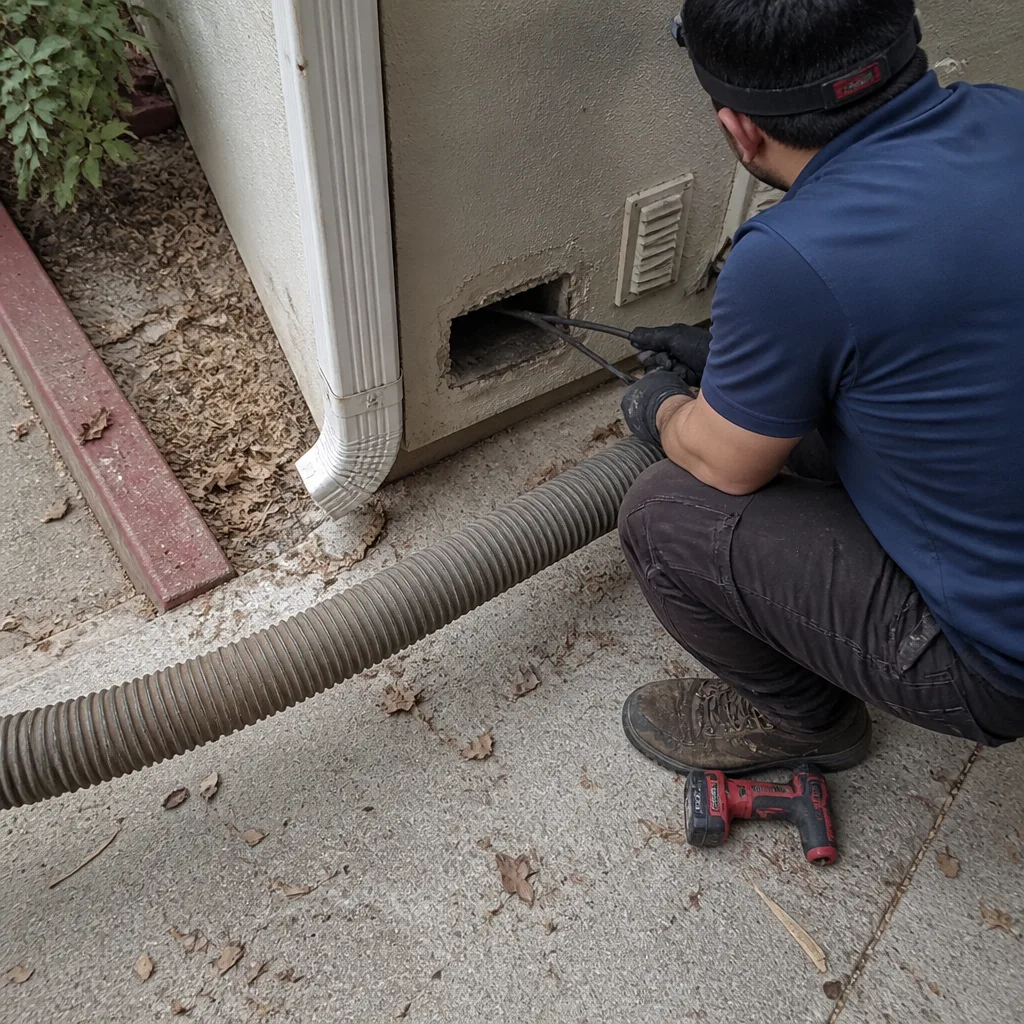
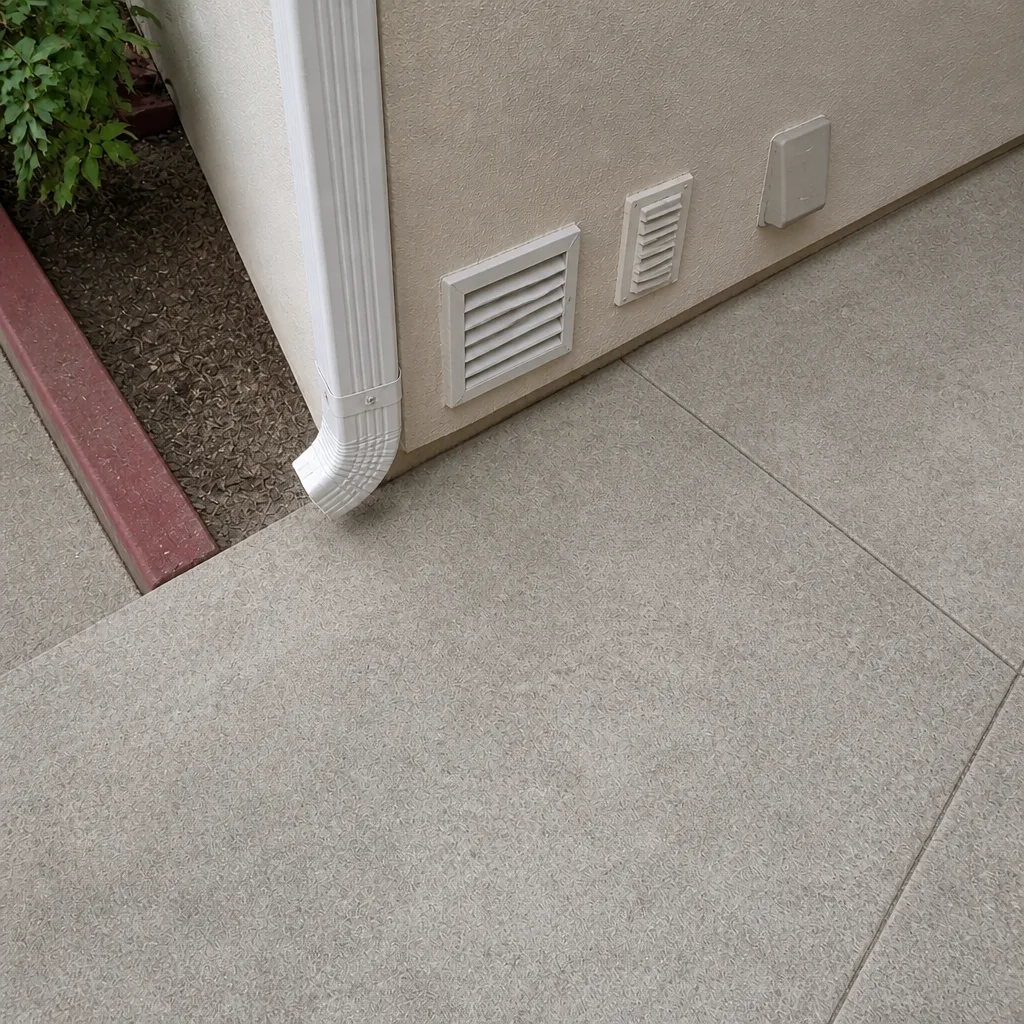
Whole-system duct and dryer vent check with before-and-after photos - you see exactly what came out of your vents
That "$99 whole-house special" is a bait ad - the real number appears once they are in your hallway, or the "clean" is a shop-vac at the register. We photograph the inside of your ducts before and after instead.
Air Duct Cleaning Cost Breakdown: The Westpark Homeowner’s Reference for 2026
A $150 whole-home duct cleaning quote and a $600 quote can both be described as “professional duct cleaning.” The difference is that one of them includes the blower motor, the return plenum, and the coil compartment, and one doesn’t. That gap in scope, not a gap in quality, is what drives most of the price spread you’ll see on quotes for the same Westpark house. We’re Westpark Air Duct Cleaning, and we built this reference to pull back the curtain on how this pricing actually works, what a full-system job should include line by line, and how to read a quote closely enough to spot what’s been left out before you sign.
Quick Answer
Full-system air duct cleaning in Westpark typically runs $400 to $900 for a standard single-family home, with larger or dual-zone homes landing in the $700 to $1,400 range once you include the blower, coil, and both plenum sides. Quotes below roughly $250 are almost always cleaning the branches only, which means every duct run, then skipping the trunk, the blower compartment, and the coil where the heaviest contamination collects. The full-system clean is the job; everything else is a partial version of it.
Styles & brands we work with
- Whole-home duct cleaning
- Dryer vent cleaning
- Camera inspection
- Sanitizing & deodorizing
Table of Contents
- What Actually Drives the Price of Duct Cleaning in Westpark?
- Line-by-Line: What a Full-System Clean Should Include
- How Home Size and System Configuration Change the Price
- The “Extra Vent” Upsell and How to Shut It Down
- Dryer Vents, UV Treatment, and Duct Sealing: Standalone vs. Bundled
- How to Read a Quote for Scope Gaps
- Why Are Some Quotes So Much Cheaper?
- Equipment Matters More Than Price Tag
What Actually Drives the Price of Duct Cleaning in Westpark?
Four things move the price of a duct cleaning job in Westpark: system size, how accessible the ductwork is, how much contamination has built up, and whether the quote includes repair work. Two houses on the same block can come in $300 apart because one has a single trunk run through an open garage ceiling line and the other has flex duct squeezed into tight attic framing. Access is often the quiet variable. A technician who has to pull apart multiple access panels and work around a low crawl takes longer, and the price should reflect the actual labor.
Westpark is a mild-climate town, which cuts into how dusty a system gets. You’re not pushing heated air six months a year through a house that leaks at every seam. That’s good news for your ducts – but it also means a lot of Westpark homes go longer than they should between cleanings, quietly accumulating fine dust and pet dander, because the system never gives you the dramatic symptoms you’d notice in a colder climate. Pet owners and households with allergy-sensitive residents tend to feel that layer of fine particulate before anyone else does.
There’s a second reason prices vary here. Systems installed during different waves of Westpark’s development use different duct materials and layouts. Older flex runs behave differently from rigid metal trunk lines in terms of how much debris settles and how efficiently a rotary brush can restore the interior surface. A quote built on a fixed rate for “one house” ignores that entirely.
- System size and number of duct runs
- Duct accessibility (attic, chase, crawl, covered runs)
- Amount and type of buildup – dust, dander, debris, or drywall dust from a recent renovation
- Whether the blower, coil, and plenums are included
- Whether repair, sealing, or sanitizing is bundled in
Line-by-Line: What a Full-System Clean Should Include
A true full-system clean treats your entire air pathway as one connected unit. That means every part of the system that touches the airstream from the return plenum to the supply registers. When a quote shows you a single line reading “duct cleaning” with a lump figure, you can’t tell whether those parts are in scope. Here’s what should be there, itemized, and what each piece typically costs when priced separately.
| Line Item | What It Covers | Typical Range |
|---|---|---|
| Duct run cleaning | Every supply and return branch, brushed and vacuumed | $250-$450 |
| Trunk line and plenum | Main duct and the transition to the air handler on both supply and return sides | $100-$200 |
| Blower motor and cabinet | Blower wheel and fan housing, degreased and cleaned | $75-$150 |
| Coil compartment | Evaporator coil face and drain pan | $80-$175 |
| Register and grille cleaning | Supply and return registers removed and cleaned | $50-$125 |
| Sanitizing treatment | Guardsman-grade antimicrobial application across the system | $100-$250 |
Add those up and you’ll land somewhere between $650 and $1,350 for a full-system job – and a bundled whole-system price is usually lower than the sum of the line items because the technician doesn’t have to set up and break down twice. That’s the whole reason a $600 full-system quote can beat a $400 quote that skips the coil and blower. The comparison isn’t apples to apples unless the line items match.
The equipment matters to this breakdown too. We use Rotobrush rotary brush systems and Nikro HVAC vacuum equipment, and the reason is simple: a rotary brush restores the interior surface of a flexible duct in a way a straight vacuum head never does. We also run Abatement Technologies air filtration on site while the work happens, containing the dust we’re dislodging rather than pushing it back through the house. That setup is what makes the coil and blower compartment clean worth doing.
How Home Size and System Configuration Change the Price
Home size sets the baseline, but system configuration usually moves the number more. A single-zone system with one air handler and a straight trunk is the simplest job. A dual-zone system means two air handlers, two blowers, two coil compartments, and often a shared or split return. That’s two of nearly everything on the line-item list, and it typically adds $250 to $400 to the total. If you’re comparing quotes for a dual-zone house against a single-zone neighbor’s number, you’re comparing different jobs.
Duct count is the next factor. A 1,400 square-foot home might have eight supply registers; a 2,600 square-foot home might have fifteen with two returns. The cleaning labor scales with the number of runs because each one needs its own access and its own brush pass. Rough estimates for Westpark-area homes:
- Under 1,400 sq. ft., single zone: $400-$650
- 1,400-2,000 sq. ft., single zone: $500-$800
- 2,000-2,800 sq. ft., dual zone: $700-$1,100
- 2,800 sq. ft. and up, dual zone with two air handlers: $900-$1,400
Those ranges assume normal buildup. A system that just came through a whole-home renovation is a different job. Drywall dust is fine, abrasive, and gets into every seam and register, and a post-renovation clean is often quoted 20 to 30 percent higher because it needs more passes and more time. The same is true for a home that hasn’t had the system touched since it was built. If you’re planning a remodel, do the duct work after the drywall is up, not before. A post-renovation clean catches everything a pre-renovation clean never would.
The “Extra Vent” Upsell and How to Shut It Down
Here’s where a lot of homeowners get burned. You book a cleaning at a headline price, and once the technician is inside, the scope slides: “You’ve got more vents than the base rate covers, so that’s extra per vent.” The problem is that almost every home has more registers than a bottom-tier base price covers, so you were never going to pay the advertised number. The base rate was a hook, and the per-vent charge is where the real invoice gets built.
It’s not that charging more for a larger system is wrong. It’s fair to price a 16-register home higher than an 8-register home. What’s wrong is hiding it. The fix is simple: negotiate scope upfront, in writing, before any work starts. Here’s the conversation to have:
- Ask how many registers and returns the quote’s base price covers, and what happens to the price if yours has more.
- Ask whether the blower, coil, and plenums are in the base price or billed separately.
- Ask for a single all-in number for your specific home, not a “starting at” price.
- Confirm whether the number can change after the technician arrives, and get the conditions in writing.
- Ask for before-and-after photos of your own system as part of the agreement.
That last one matters. A quote with a fixed all-in number and a promise of before-and-after photos of your ducts gives you a way to verify the work happened, not just a promise that it did. At Westpark Air Duct Cleaning we work off one flat price per system agreed before work begins, no per-vent billing. It’s the single most useful thing a homeowner can ask for, and any honest provider should be able to say yes to it.
Dryer Vents, UV Treatment, and Duct Sealing: Standalone vs. Bundled
The core clean is one service. There are three others that matter to the health of your system and that a lot of quotes leave out entirely because they take extra equipment, extra time, or extra skill. Here’s what they cost on their own and how bundling usually affects the number.
Dryer vent cleaning
Standalone: $100 to $200. Bundled with a duct cleaning: often $75 to $150. This one isn’t just about airflow. Lint buildup in a dryer vent is a documented fire hazard, and a dryer vent line running up through a wall or attic with a couple of elbows is where that soft, fine lint compacts over time. Anything that reduces fire risk in your home is worth more than the standard maintenance line item it usually gets treated as. A careful dryer vent cleaning also catches crushed or disconnected venting, which is a bigger problem than the lint itself.
UV treatment and air quality products
Standalone UV or air quality add-on: $200 to $650 depending on the unit and whether it’s a whole-home or single-coil installation. We carry and install Honeywell and Aprilaire air quality products because they’re a genuine long-term solution for allergy or pet households, not a one-time sales add-on. If a provider offers a UV bulb as a same-day add-on to a basic clean, ask what it actually does and whether the product is a recognized whole-home unit. The good ones are installed, not clipped to a duct and forgotten.
Duct repair and sealing
Standalone duct repair and sealing: $250 to $800, depending on how many leaks are found and how accessible they are. This is the add-on that most prevents future cleaning bills. A leaking duct system pulls in dust and attic particulate around every seam, so cleaning a leaking system is cleaning it again for next year. We repair ducts, not just clean them, and a lot of Westpark homeowners discover on the walk-through that their ductwork has disconnected or crushed runs they didn’t know about. Sealing is often the difference between a result that lasts and one that doesn’t.
How to Read a Quote for Scope Gaps
A quote can look complete and still skip the important half. The tell is usually what’s missing, not what’s there. Here’s the list of line items whose absence tells you the quote is covering less than the full system.
- No blower compartment line: the blower wheel accumulates dust and, over time, becomes a source of it. Skipping it means re-contaminating the system you just cleaned.
- No coil compartment line: the evaporator coil sits wet and dark, which is exactly where microbial growth starts. Cleaning around it without cleaning it leaves the problem in place.
- No plenum line: the plenum is the transition zone between the air handler and the trunk. It’s often the dirtiest part of the system and the most skipped.
- No register removal: registers that are wiped down but not removed leave the buildup behind them untouched.
- Per-vent pricing instead of a flat system price: a sign the base quote was a hook, not a scope.
- No containment equipment mentioned: without air filtration on site, the dust goes into your home. A provider should be able to name the equipment used.
- No photos promised: if there’s no verification step, you have no way to confirm the work was done to the standard you paid for.
Run every quote through that list. Two providers quoting the same house will look very different once you lay the line items side by side, and a quote that names its equipment and offers photos is a sign of a company that intends to be accountable for the result. You may want to compare estimates with our Westpark Air Duct Cleaning process if you’re not sure what a full-scope quote should look like.
Why Are Some Quotes So Much Cheaper?
Nearly always because the scope is narrower. A $150 to $200 quote is usually the duct runs only, sometimes with a shop vac setup and no containment. It’s not fraud. It’s the smallest partial job you can buy and still have it called duct cleaning. The trouble is that the parts of the system that most need cleaning are the parts most left out, and cleaning the branch runs while leaving the blower and coil untouched tends to redistribute dust rather than remove it. Homeowners often notice the problem more after a cheap clean than before it, because the fine dust that settled in the system has been stirred up.
There’s a second reason. Real equipment costs real money. A Rotobrush rotary brush system and a Nikro HEPA vacuum aren’t a shop vac and a hose, and a provider using the professional-grade setup has to price the job to cover the cost of doing it correctly. A company that’s not using that equipment can’t deliver the result it’s advertising, because the tools don’t reach the same interior surfaces. That’s why a low quote and a full-system quote can be honest and still miles apart. You’re not comparing providers, you’re comparing what they include.
Equipment Matters More Than Price Tag
Three pieces of equipment change what a clean is worth. A rotary brush system agitates dust off the duct interior and pushes it toward the vacuum rather than pushing it through the system. A high-capacity HEPA vacuum holds the material it pulls out without leaking it back. Containment filtration running on site protects the living space while the work is happening. All three need to be in use for the clean to mean what it claims.
We use Rotobrush for cleaning and Nikro for vacuum, and Abatement Technologies equipment for containment, and the reason is that the job isn’t really about the dust you can see. It’s about the fine particulate you can’t – the stuff that settles into the blower, the coil, and the seams and stays there. Cleaning has to address the whole air pathway or it doesn’t hold. If you’re in the middle of an air duct cleaning comparison and need to know what equipment to ask for, that’s the short version: rotary brush, HEPA vacuum, containment.
The other half of the job is what happens after the clean. Air quality products from Honeywell and Aprilaire help keep things cleaner between services, and HVAC cleaning on a regular schedule keeps the blower and coil from becoming the problem again. Clean, then maintain, then verify. That’s the cycle worth paying for.
Common Mistakes to Avoid
- Accepting a per-vent price without asking the base-register count. The advertised number is almost never the all-in number. Ask for a flat system price upfront.
- Booking the cheapest quote without a line-item scope to compare. A cheap quote can be honest and still partial. Only compare quotes that name the same parts of the system.
- Skipping the blower and coil because “it’s just ducts.” Most contamination lives in those compartments. Cleaning around them is the most common way a clean fails to hold.
- Cleaning before a renovation instead of after. Drywall dust and construction debris will coat a freshly cleaned system within a week. Sequence the clean after the work.
- Treating duct cleaning as a one-time event with no sealing. If the system leaks, it pulls dirt back in. Repair and sealing is often the step that makes the clean last.
- Not asking for before-and-after photos. Without a verification step, you’re relying on the technician’s word. Photos of your own ducts are the standard to expect.
- Ignoring the dryer vent because “the lint trap catches it.” The trap catches what reaches it. Lint compacts in the run behind it and that’s the fire-risk part.
See the difference
 Before
 After
 Before
 After
 Before
 After
When to Call a Professional
Some jobs are worth a walkthrough rather than a guess. If you’ve just moved into a Westpark home and don’t know when the system was last cleaned, call for an inspection. If anyone in the household has allergies, asthma, or is a young child, get the whole-system clean done properly before the next season of heavy use. If you’ve just finished a renovation, wait until the dust has settled and then book a full-system clean. If your dryer is taking two cycles to dry a load of towels, get the vent checked. If you smell a musty odor near a supply register when the system runs, the coil compartment is a likely source and should be inspected. Westpark Air Duct Cleaning offers free estimates in Westpark; call (877) 820-9652 to set one up.
Frequently Asked Questions
A full-system clean typically runs $400 to $900 for a standard single-zone home, and $700 to $1,400 for larger or dual-zone homes that include both air handlers. Anything quoted well under $250 is usually the duct runs only, without the blower, coil, or plenum. Call (877) 820-9652 for an exact quote – estimates are free.
Because they cover less of the system. A low quote almost always excludes the blower compartment, the coil, the plenums, or some combination, which is precisely where the heaviest contamination sits. The low number is real, but so is the gap. Call (877) 820-9652 and we’ll walk you through the line items so you can compare fairly.
Ask for before-and-after photos of your own ducts as part of the agreement, and confirm the specific equipment being used. A clean that can’t be documented with photos and named equipment is one you’re trusting on faith. Call (877) 820-9652 and we’ll explain exactly what we document at each stage.
A typical Westpark home is fine on a three-to-five-year cycle, with pet owners, allergy households, and homes with recent renovations moving toward the shorter end. Westpark’s mild climate means the system doesn’t need cleaning as often as it would where a heating season runs long, but it also means buildup goes unnoticed. Call (877) 820-9652 and we can look at your system and tell you where it stands.
Yes, typically $250 to $400 more, because it’s two air handlers with two blowers, two coils, and two sets of components to clean. It’s not a markup; it’s twice the equipment to service. Call (877) 820-9652 and we’ll quote your specific configuration.
Usually, yes. If your ductwork leaks, cleaning it without addressing the leaks means the system pulls in new dust right away. Repair and sealing in the same visit is often the smarter spend. Call (877) 820-9652 and we’ll tell you whether your system shows leakage during a free estimate.
The Bottom Line
Duct cleaning prices in Westpark vary widely, and the variation is almost entirely about scope. The useful question isn’t “how much does duct cleaning cost” but “what parts of the system does this quote actually include?” A full-system clean covers the duct runs, the trunk and plenums, the blower, the coil, and the registers, and that job sits in the $400 to $1,400 range depending on home size and system configuration. Anything under $250 is the duct runs only, and the parts left out are the parts most worth cleaning. Ask for a flat system price, a list of line items, and before-and-after photos. Then compare. That’s the whole exercise.
Westpark Air Duct Cleaning provides residential and commercial duct cleaning, dryer vent cleaning, HVAC cleaning, duct repair and sealing, and air quality sanitizing, using professional-grade Rotobrush and Nikro equipment with Abatement Technologies containment on site. We connect Westpark homeowners with experienced local professionals, and our technicians have up to 12 years of experience. The local pro is licensed and insured as their state requires.
Call (877) 820-9652 for a free estimate. We answer 24/7. Fast dispatch from 7am to 7pm, Sunday through Friday.
Written by the team at Westpark Air Duct Cleaning.