
Last updated November 23, 2026
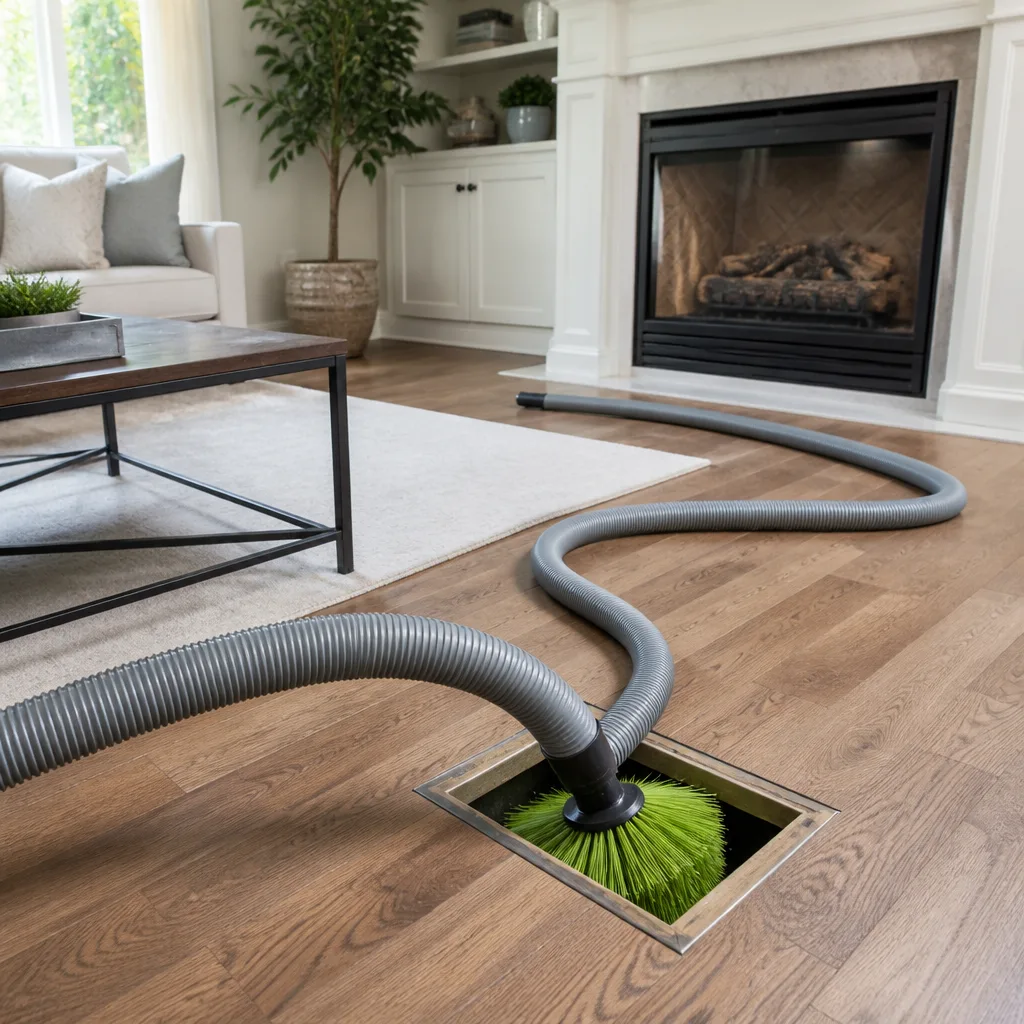 Whole-home duct cleaning
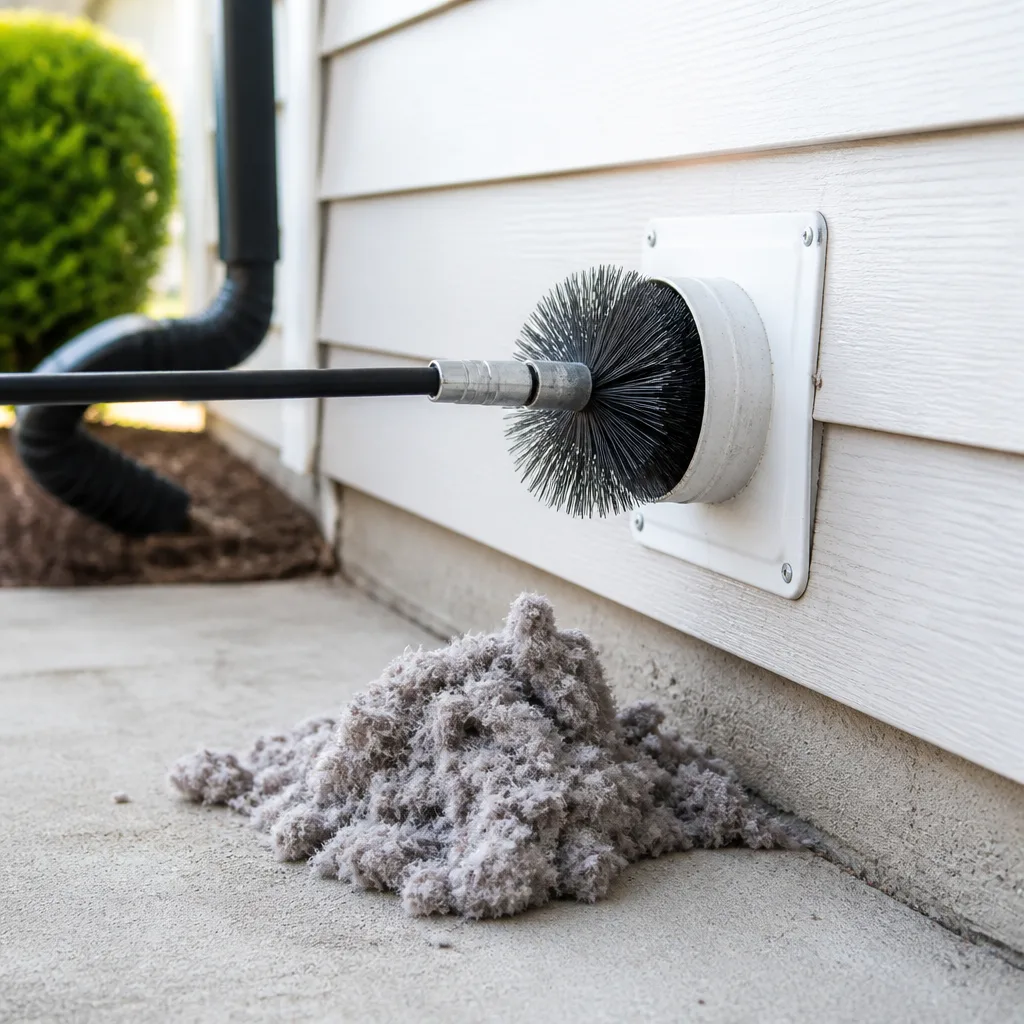 Dryer vent cleaning
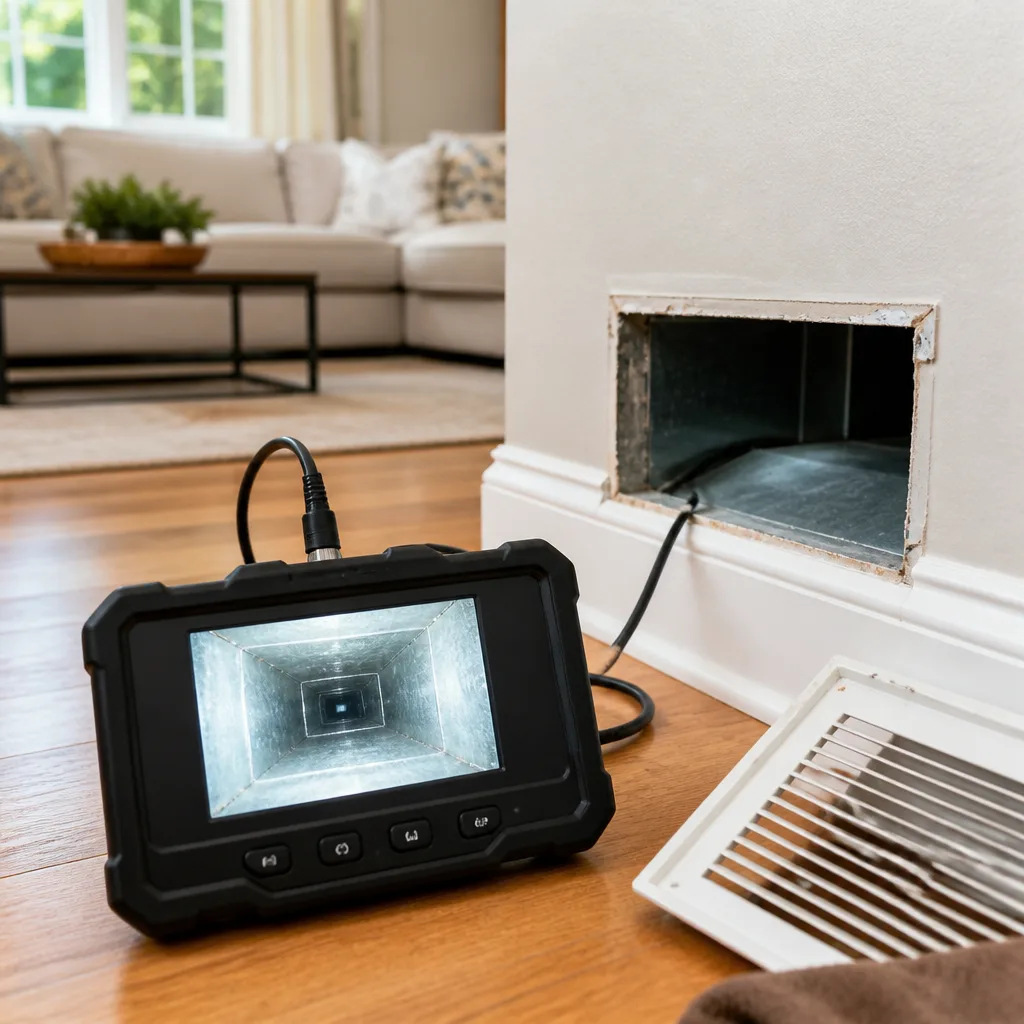 Camera inspection
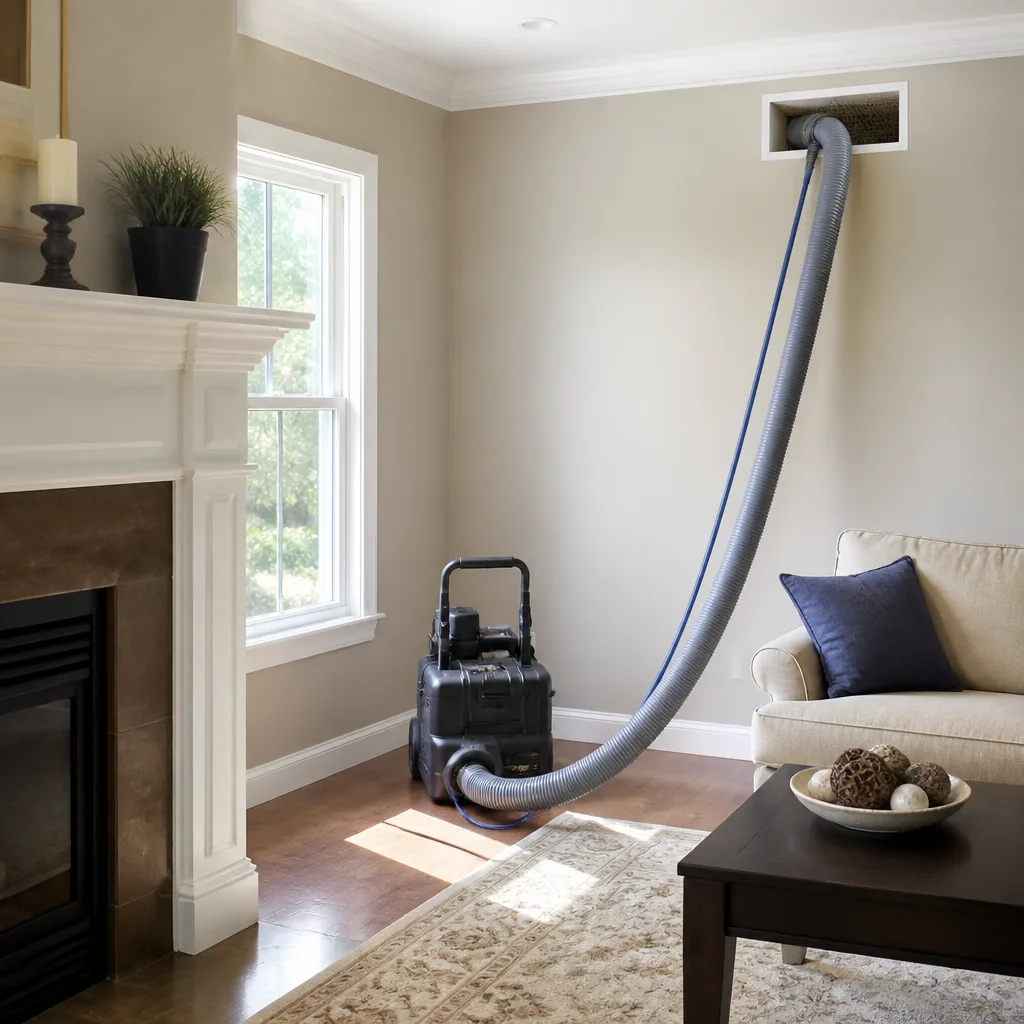 Sanitizing & deodorizing
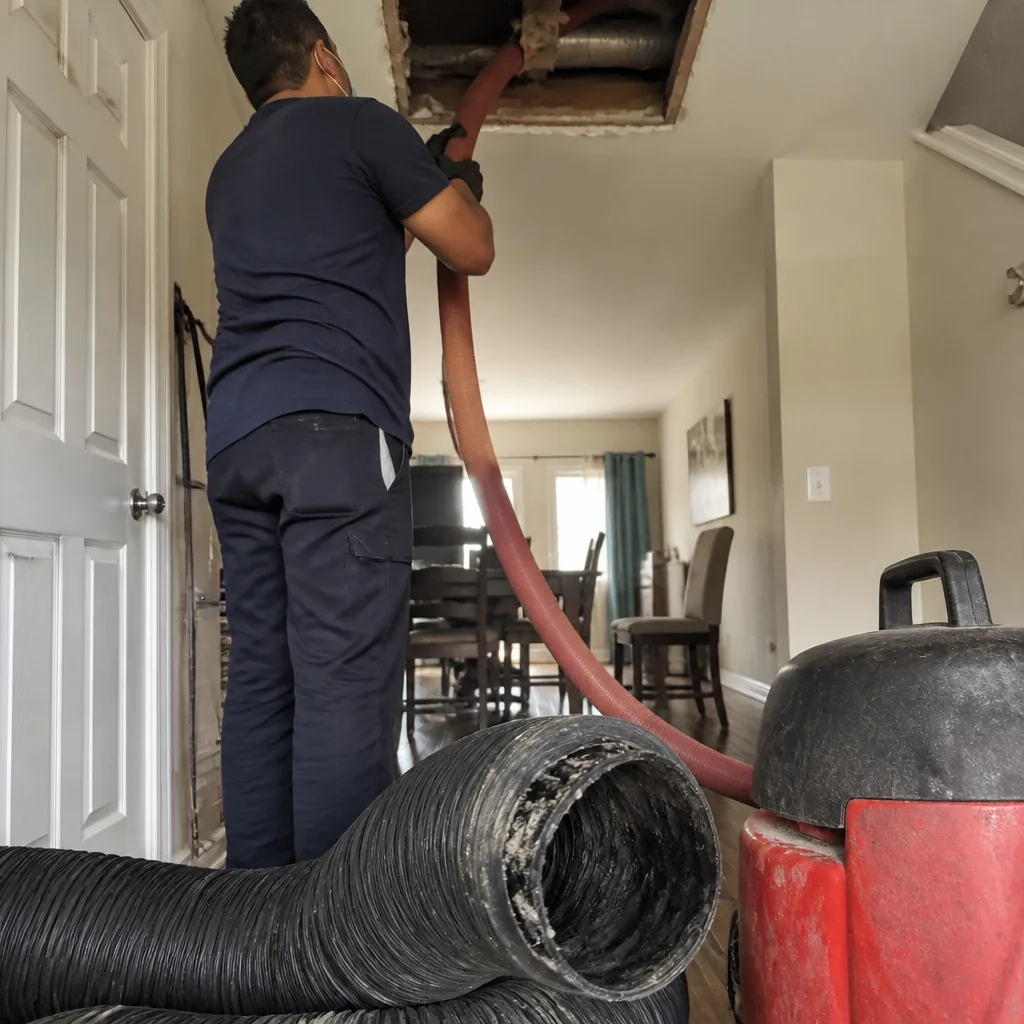
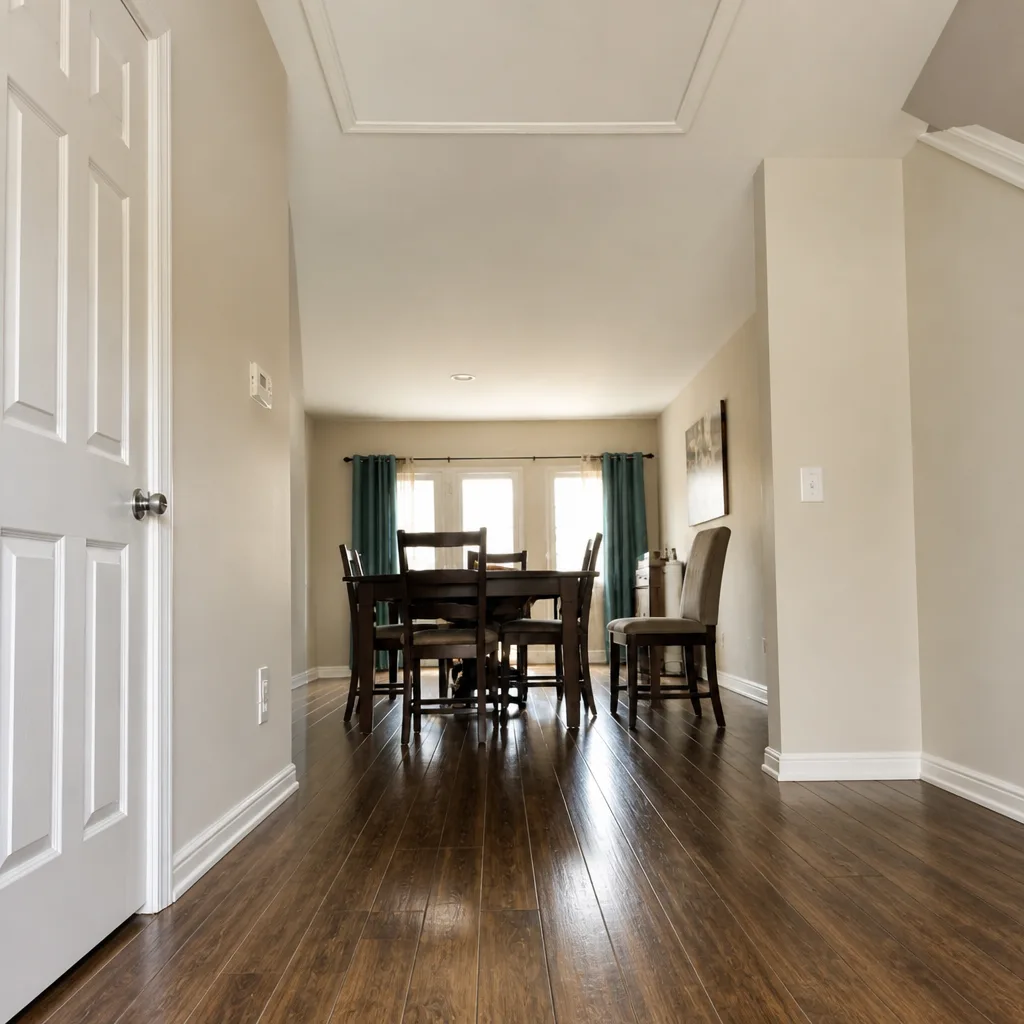
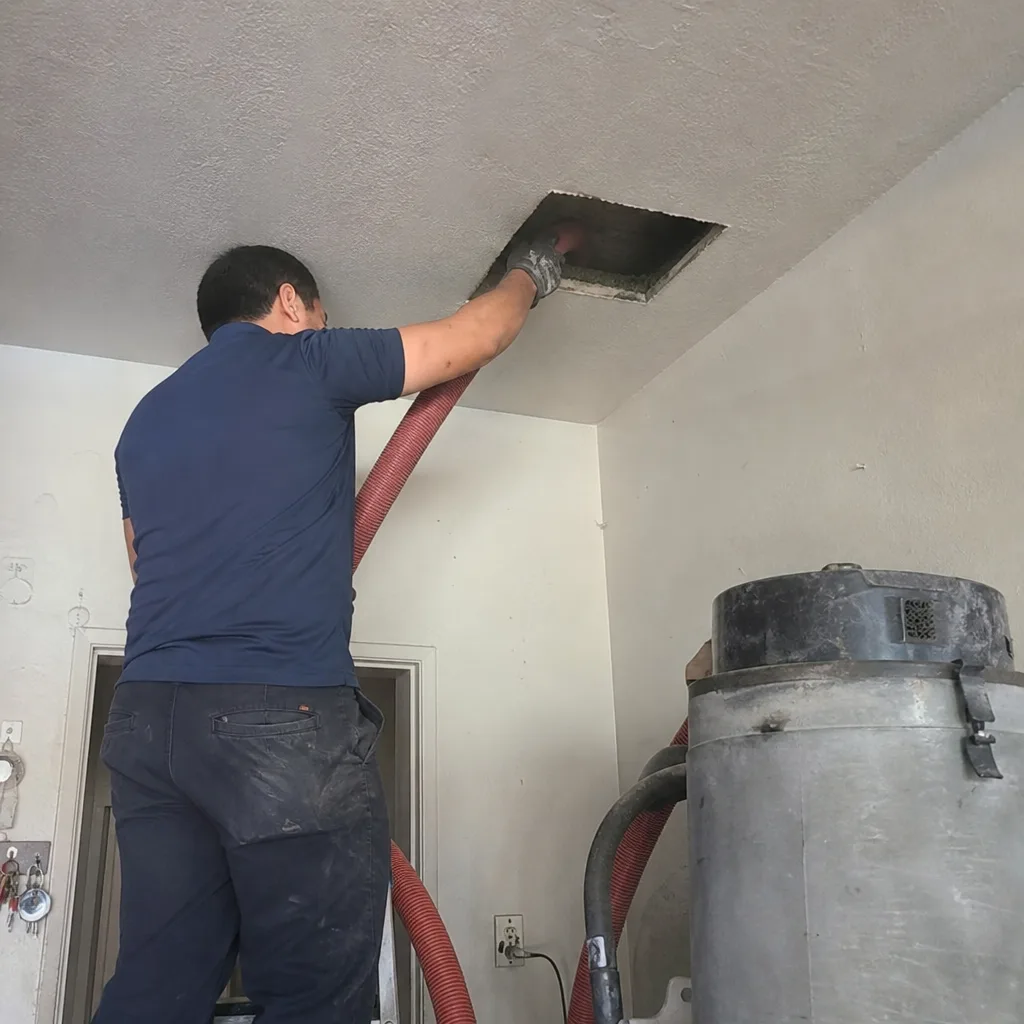
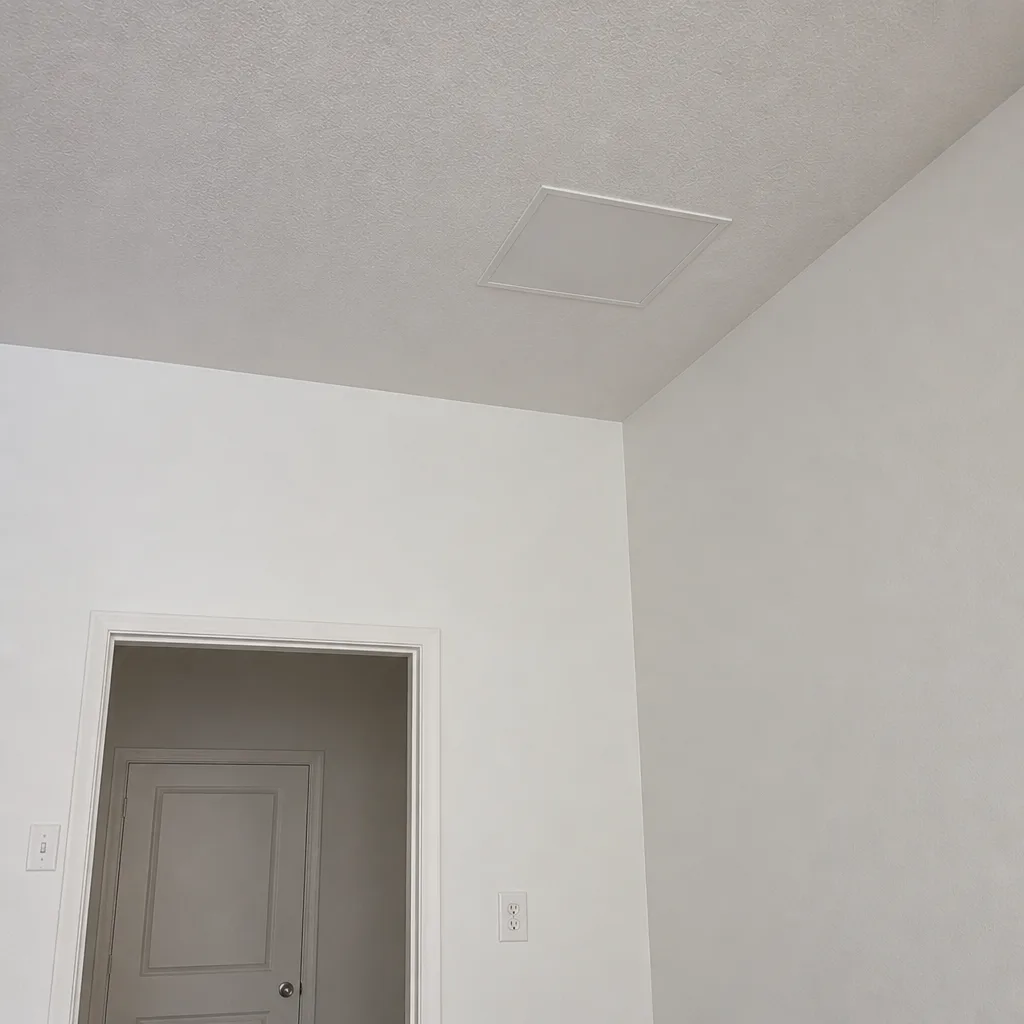
Whole-system duct and dryer vent check with before-and-after photos - you see exactly what came out of your vents
That "$99 whole-house special" is a bait ad - the real number appears once they are in your hallway, or the "clean" is a shop-vac at the register. We photograph the inside of your ducts before and after instead.
Air Duct Cleaning Warning Signs: A Westpark Homeowner’s Reference Guide
Most lists of duct warning signs start with dust on the supply registers. We understand why. It’s the one sign every homeowner can see without thinking about it. But visible dust at the vents is a lagging indicator. By the time it shows up, the system has already been moving contaminated air through your rooms for weeks or months. The signals that arrive earlier are quieter: a bedroom that never quite cools, a faint smell only when the heat kicks in, a utility bill that creeps up without explanation. This guide is about those earlier signals. It walks Westpark homeowners through the functional and structural clues that point to a duct system working against them, from airflow imbalance and odor mapping to the percentage efficiency a moderately separated duct network can cost you. We wrote it because we’ve inspected enough Westpark homes to know the tell-tale signs are rarely the ones on the standard checklist.
Quick Answer
The earliest warning signs of a duct problem are uneven airflow between rooms, odors that appear only when the HVAC runs, unexplained utility bill increases, allergy symptoms that track with system operation, and visible damage found during attic or crawlspace checks such as disconnected flex duct or a collapsed liner. Surface dust at the registers matters, but it usually shows up after the underlying problem has been building. Westpark Air Duct Cleaning uses professional-grade air duct cleaning equipment to find and address these signs at the source.
Styles & brands we work with
- Whole-home duct cleaning
- Dryer vent cleaning
- Camera inspection
- Sanitizing & deodorizing
Table of Contents
- Airflow Imbalance: The Earliest Warning Sign Most Homeowners Miss
- What Different Odors Tell You About What’s in Your Ducts
- Utility Bill Increases as a Measurable Sign of Duct Leakage
- Allergy and Respiratory Patterns That Track With Your HVAC
- Structural Warning Signs You’ll See in the Attic or Crawlspace
- Dryer Vent Warning Signs: A Separate Safety Problem
- How to Test Your Own System Without Equipment
- What a Professional Duct Inspection Actually Covers
Airflow Imbalance: The Earliest Warning Sign Most Homeowners Miss
An unbalanced system is the quietest warning sign a duct network gives you. One bedroom runs hot, another runs cold, and the pattern is consistent across every season. Homeowners often blame the thermostat or the unit itself. In our experience, the thermostat is usually doing its job, and the imbalance is happening downstream in the ductwork. Blockages, crushed flex runs, undersized returns, or joints that have separated at the takeoff all change how much air reaches each room.
Here’s how the imbalance tends to present:
- One or two rooms never reach the temperature the rest of the house reaches.
- A room feels pressurized or difficult to close the door because of airflow.
- Registers in far rooms have weak flow when you hold your hand near them.
- Rooms right above the unit feel overly cold or hot compared to distant rooms.
- The system runs longer than it used to in order to reach the setpoint.
In Westpark, where mild winters still require reliable heating and warm summers put the air conditioning through a long run, a modest imbalance compounds over a full year. The unit compensates by running longer. Longer runtimes pull more air across every gap in the duct network, which pulls more dust from attic space into the supply path. The imbalance creates the contamination, not the other way around.
If you notice the same room missing the mark every time the HVAC cycles, the imbalance is worth investigating before you replace anything. A duct cleaning visit that also inspects joints and takeoffs will find the source quickly. If you haven’t had a baseline inspection, the Westpark Air Duct Cleaning team starts every job with a full walk of the air pathway.
What Different Odors Tell You About What’s in Your Ducts
Odor is the diagnostic tool most homeowners already have. The nose knows when something’s off long before a visible sign appears. The trick is mapping the smell to a likely cause so you can describe it clearly when you call.
Musty, earthy, or wet-cardboard smell
This is the signature of moisture in the system. In Westpark, where humidity swings steeply between summer and the cooler months, condensation inside ductwork is a real possibility, particularly if attic runs are poorly insulated or joints have opened up. Musty odor often points to microbial growth on the interior of the ducts or on the coil and drain pan of the air handler. Sanitizing with Guardsman-grade products addresses the surface growth, but the moisture source needs to be fixed first or it will return.
Sharp, ammonia-like, or distinctly animal smell
Rodent activity inside ducts or attic runs. Mice and rats enter through the tiniest gaps around the roof line and drop into the attic. Once inside, they move through flex duct runs or leave droppings near the air handler. The smell is strongest in the first few minutes after the system kicks on, then fades as fresh air mixes in.
Hot, dusty, burning smell
On first heat of the season, a light burning-dust smell is common. If it persists past the first cycle, the issue is more serious: dust accumulation on the heat exchanger, a failing blower motor, or foreign material lodged near the unit. Any persistent burnt smell should be checked by a technician before the system runs again, since it can indicate a component failure.
Sharp, stale, dead-insect smell
Particularly after a warm spell, dead insects, spiders, and stinkbugs accumulate in the diffusers and in the boot of the register. The smell appears only when air is pushed across them. Cleaning the register boots and interior of the duct at the supply points usually resolves it.
If any of these odors shows up in your Westpark home, note when it appears: only on startup, only when the heat runs, only in one zone. That pattern is more useful than the smell alone when a technician diagnoses the source.
Utility Bill Increases as a Measurable Sign of Duct Leakage
A moderate amount of duct separation, the kind that opens up over years of attic heat cycling and pressure changes, can degrade HVAC efficiency by roughly 20 to 30 percent depending on how much of the network runs through unconditioned space. That’s a measurable cost. A home that ran at a comfortable efficiency for years doesn’t suddenly lose it without a cause. If your bill creeps up season over season with no change in your usage patterns, duct leakage deserves a hard look.
Two patterns indicate leakage rather than an aging unit:
- The bill jumps in the same months every year, usually peak summer and peak winter, and then flattens.
- The bill increases in months when the system runs less, suggesting the unit is working harder for each cycle.
A third sign: rooms closest to the air handler feel very cold in cooling season while distant rooms barely cool, and the difference is worse when the outdoor temperature is highest. That’s a pressure loss, not a refrigerant issue.
Duct leakage is not just an energy problem. In Westpark homes that have had attic ductwork rebuilt or extended, we’ve found unfiltered attic air pulled directly into the return side through gaps in the plenum connection. That means the air reaching your living space has bypassed the filter. The bill goes up, and the air going into the room is worse than the air outside.
Duct repair and sealing alongside cleaning is the only way to fix a leakage problem at the source. Cleaning alone opens up the system’s efficiency potential but doesn’t close the gaps. Westpark Air Duct Cleaning handles both as part of the same visit. See how we approach HVAC cleaning for a full picture of what the work covers.
Allergy and Respiratory Patterns That Track With Your HVAC
Homeowners often arrive at a duct concern through a symptom pattern they can’t explain. A child’s congestion improves on weekends away from home and returns within a day back. A parent sneezes more in the living room than the bedroom. A visitor without any known allergies has a scratchy throat by the second evening. These aren’t random. When symptoms track with HVAC operation, the system is the likely variable.
The pattern test is simple. Ask three questions over a two-week window:
- Do symptoms worsen in the first hour after the HVAC starts a cycle?
- Do they improve when the system is off and the windows are open?
- Do they increase in rooms with the least airflow and decrease in rooms closest to the return?
If the answer to two or more of those is yes, the system is a plausible source. That does not prove mold or contamination is present; it means the air path is worth inspecting. Ambient outdoor air also moves allergens through the house in Westpark’s spring and early summer, so distinguishing HVAC-driven symptoms from outdoor allergens matters.
A duct inspection looks at the return path first, then the supply trunk, then the register boots. The return typically carries more contamination, because it pulls from the floor or ceiling of the room. A family with young children or pets has more to gain from keeping the return side clean than the supply side.
Structural Warning Signs You’ll See in the Attic or Crawlspace
The most serious duct problems are often visible only when you access the unconditioned spaces. If you’ve ever taken a look at the attic during a light inspection, or you’ve had a contractor up there for something else, these are the signs to note:
- Disconnected flex duct: The duct has slipped off its takeoff or a boot connection and is dumping conditioned air into the attic.
- Collapsed or crushed liner: The inner lining has folded in on itself, cutting airflow to the room it serves.
- Ripped or torn outer jacket: The insulation barrier is breached, exposing the duct to attic heat and allowing contaminants in.
- Pest intrusion: Droppings, nesting material, or chewed duct material around the air handler or along flex runs.
- Visible moisture or staining: Wet insulation or water-stained ducts near the unit or under a roof penetration.
- Banding or tape that has failed: Duct connections held only by aged tape that has peeled away.
Any one of these is a reason to schedule an inspection. Disconnected flex duct is often the most consequential, because it both loses your conditioned air and pulls attic air into the system through pressure imbalance. In Westpark’s climate, where the attic can run significantly hotter than the living space on summer afternoons, a disconnected supply line can push hot attic air right back into a room.
A duct cleaning that stops at the visible duct is a surface job. Westpark Air Duct Cleaning inspects the connections and seals what’s been found to be leaking, so the cleaning stays effective.
Dryer Vent Warning Signs: A Separate Safety Problem
Dryer vents are a duct system too, and they carry a different kind of risk. Lint buildup in the vent is a documented fire hazard, and a vent that has restricted airflow will show specific signs:
- Clothes take longer than one cycle to dry completely.
- The dryer body feels hot to the touch on the outside.
- The lint screen fills quickly and the lint is dense, not fluffy.
- There is a burnt-smell note in the laundry room after a cycle.
- The exterior vent flap doesn’t open fully when the dryer runs.
- Lint is visible at the outside vent termination.
If two or more of these are present, stop using the dryer and have the vent cleaned. dryer vent cleaning is a core service at Westpark Air Duct Cleaning precisely because this is a safety problem, not a comfort one. The cleaning itself uses rotary equipment that pulls lint from the full length of the run, not just the elbow near the dryer.
How to Test Your Own System Without Equipment
A few tests don’t need any tool. They give you a useful baseline before you call.
- Test the room-by-room temperature spread. Run the system for at least 20 minutes, then check the temperature in each room with the door closed. A difference of more than a couple of degrees between rooms points to airflow imbalance.
- Test the paper-towel airflow at each register. Hold a single square of toilet paper or a paper towel up to each supply register. The amount it flutters should be roughly similar across rooms of similar size. A register that barely moves it is a sign of restriction.
- Test the return draw. Hold the same paper towel up to the return grille. A strong pull is normal. A weak pull is a sign the return is undersized, blocked, or leaking.
- Check the filter. A clogged filter is the most common cause of weak airflow, and the fix is easy. If a clean filter doesn’t restore airflow, the problem is in the duct network.
- Smell-test at startup. Note any odor in the first two minutes after the system begins a cycle. Odor on startup is the clearest signal of a contamination source near the air handler or supply boot.
- Watch for register dust after a cleaning. If dust returns within a week, the duct network is still releasing particles. The system needs a professional cleaning rather than a wipe-down.
These tests give you the pattern; they don’t diagnose the source. A professional inspection goes deeper.
What a Professional Duct Inspection Actually Covers
A proper inspection goes beyond looking at the first visible duct. At Westpark Air Duct Cleaning, the process is built around the full air pathway: the return, the supply trunk, the register boots, the air handler, and the exterior vent terminations. The work starts with camera inspection of the trunk and return lines. Every joint and takeoff is checked for separation and tape failure. The blower compartment and coil are checked for debris. Then the cleaning begins.
The cleaning itself is done with Rotobrush rotary-brush systems and Nikro HVAC vacuum equipment, the same class of equipment used by commercial contractors. Those tools agitate the duct interior and pull the loosened material into a HEPA-filtered collection system. An Abatement Technologies air filtration unit runs in the room during the work to contain what’s dislodged rather than let it re-enter the living space. That detail matters: a cleaning that pushes contaminants back into the home is worse than no cleaning at all.
If leakage is found, duct repair and sealing close it during the same visit. If the inspection turns up moisture issues or biological growth, sanitizing with Guardsman-grade products follows the cleaning. And when the system could benefit from better filtration at the return, Westpark Air Duct Cleaning is authorized to supply and install Honeywell and Aprilaire air quality products, so the engagement continues past a one-time clean.
Every estimate is written before any work starts. If the scope changes mid-service, the price doesn’t move without your approval first.
Common Mistakes to Avoid
- Treating visible dust at the vent as the only sign. The most expensive duct problems don’t show at the register until late. Watch for airflow, odor, and bill patterns instead.
- Assuming a new filter fixes everything. A filter swap helps, but if the machine still can’t reach the far rooms after a clean filter, the issue is in the ducts, not the filter.
- Letting a disconnected flex duct sit in the attic. A single disconnected run can raise your bill, pull attic air into the house, and defeat any cleaning done downstream. It needs to be reconnected and sealed.
- Running the dryer with a lint-clogged vent. Lint buildup is the documented fire hazard in dryer vents. Long dry times and a hot dryer body are warnings, not quirks.
- Believing a cheap coupon price is the whole cost. A quoted price for one duct run or one register is not the price for a full-system cleaning. Get the flat price per system in writing before you book.
- Cleaning the supply side only. The return side usually carries more contamination. A cleaning that skips it leaves the biggest source untouched.
- Ignoring the ductwork after a cleaning. Without repaired joints and sealed leaks, the ducts will pull in fresh contamination within a season. Cleaning is only part of the fix.
See the difference
 Before
 After
 Before
 After
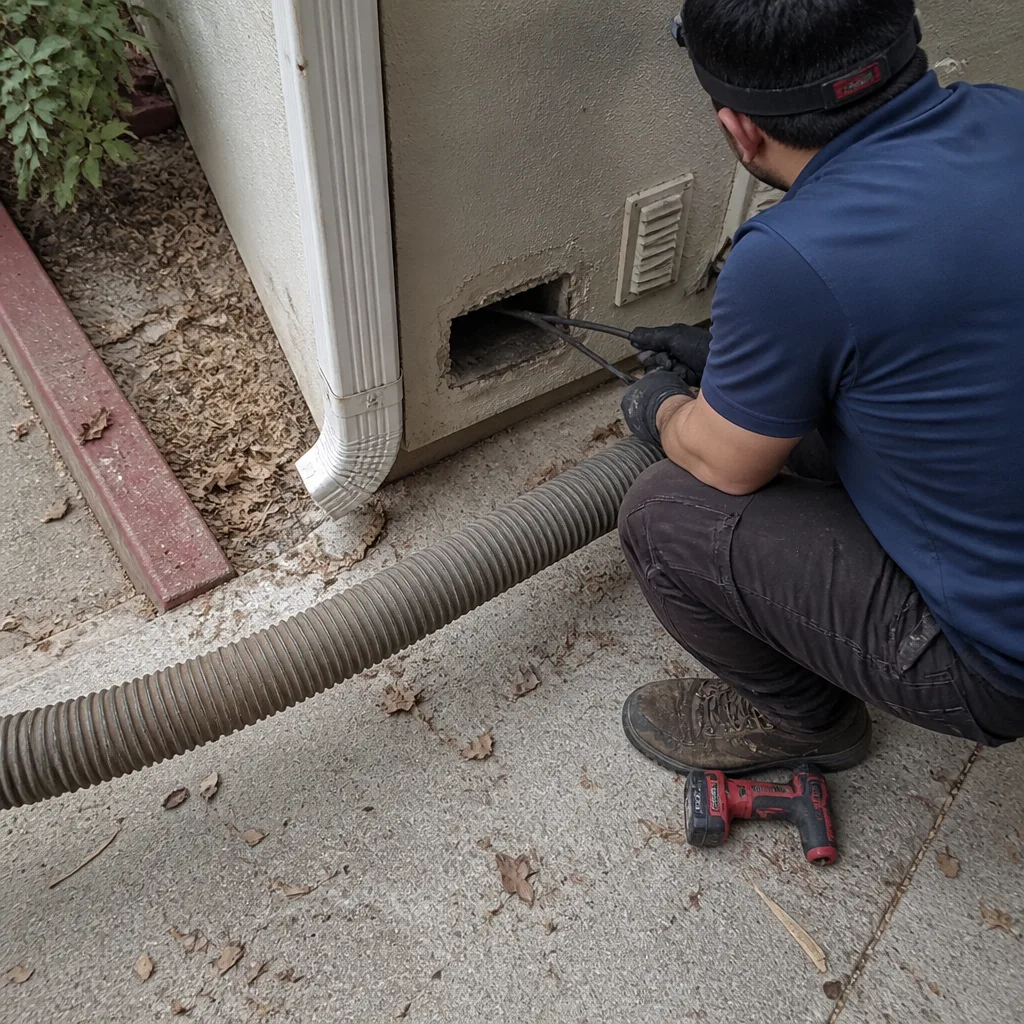 Before
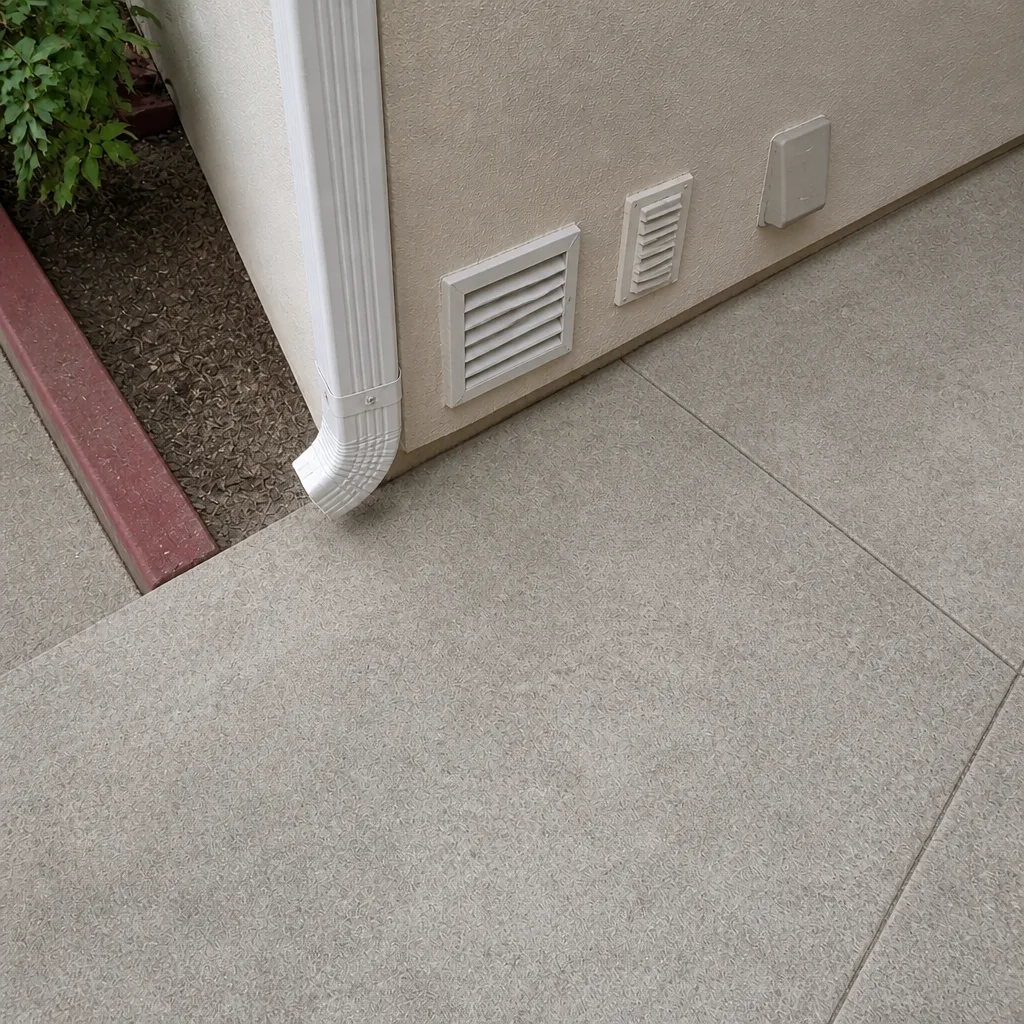 After
When to Call a Professional
Call Westpark Air Duct Cleaning if you’ve noticed two or more of the patterns described in this guide, or if any single sign is severe: a persistent burning smell, a dryer vent that’s clearly clogged, a disconnected duct in the attic, or visible mold near the air handler. Call us if you’ve just purchased a Westpark home and the previous owner’s maintenance history is unknown. Call us if you’ve completed a renovation that sent drywall dust through the system. Call us if you’re managing a property and the tenants have reported recurring airflow complaints. Westpark Air Duct Cleaning offers free estimates in Westpark and provides a written, flat price per system. Call (877) 820-9652. We answer 24/7. Fast dispatch from 7am to 7pm, Sunday through Friday.
Frequently Asked Questions
Pricing in Westpark depends on the size of the home, the number of systems, and the condition of the ductwork. A single-system home that needs cleaning only will typically fall on the lower end of the range, while a larger home with duct repair and sealing added runs higher. Westpark Air Duct Cleaning quotes one flat price per system, agreed before work starts, and provides a free estimate. Call (877) 820-9652 for an exact quote – estimates are free.
Cheap quotes usually reflect a smaller scope, not a better deal. The “one price for one register” model often covers only a partial cleaning, or the technician adds charges for return-side cleaning, sanitizing, or dryer vent work once on site. A flat price per system, in writing, is the honest comparison. Westpark Air Duct Cleaning quotes that way and shows before-and-after photos of your own ducts so you can see what was done. Call (877) 820-9652 for a written estimate.
You should be able to see the result and verify the scope. Westpark Air Duct Cleaning provides before-and-after photos of your own ductwork so you can compare the state of the system at both ends of the visit. Ask any contractor to show you what was cleaned and what was found; if the answer is vague, that’s a reason to look elsewhere.
Most homes don’t need an annual cleaning. A cleaning every few years is reasonable for most Westpark households, and more often if you have pets, recent renovations, allergy-sensitive family members, or a history of moisture or pest issues in the attic. A dryer vent cleaning runs on a different cycle and generally needs attention more often. If you’re unsure, a baseline inspection and estimate is the right starting point.
Yes, though the effect usually comes from leakage, not dirt alone. Duct separation in unconditioned space can degrade HVAC efficiency by roughly 20 to 30 percent depending on how much of the network runs through attic or crawlspace. That means the furnace or AC runs longer to hit the setpoint, and the bill climbs with no change in usage. Cleaning restores airflow; duct repair and sealing closes the leak that causes the efficiency loss.
We contain it. An Abatement Technologies air filtration unit runs on site during the service to capture particles as they’re dislodged. Combined with the HEPA collection system on the Nikro vacuum, that keeps dislodged material from redistributing through the home. Call (877) 820-9652 for details on a specific job.
The Bottom Line
The warning signs that matter most are the ones that show up before visible dust does: uneven airflow between rooms, odor patterns tied to HVAC cycles, bills that climb without a usage change, symptoms that follow the system, and structural damage found in the attic or crawlspace. Address those early and the system stops working against you. Westpark Air Duct Cleaning inspects the full air pathway, cleans it with Rotobrush and Nikro equipment, contains the dislodged particles, repairs and seals what’s found leaking, and installs Honeywell and Aprilaire filtration when the home would benefit. Your entire air system, cleaned, sealed, and treated. Call (877) 820-9652 for a free estimate. We answer 24/7. Fast dispatch from 7am to 7pm, Sunday through Friday.
Written by the team at Westpark Air Duct Cleaning.